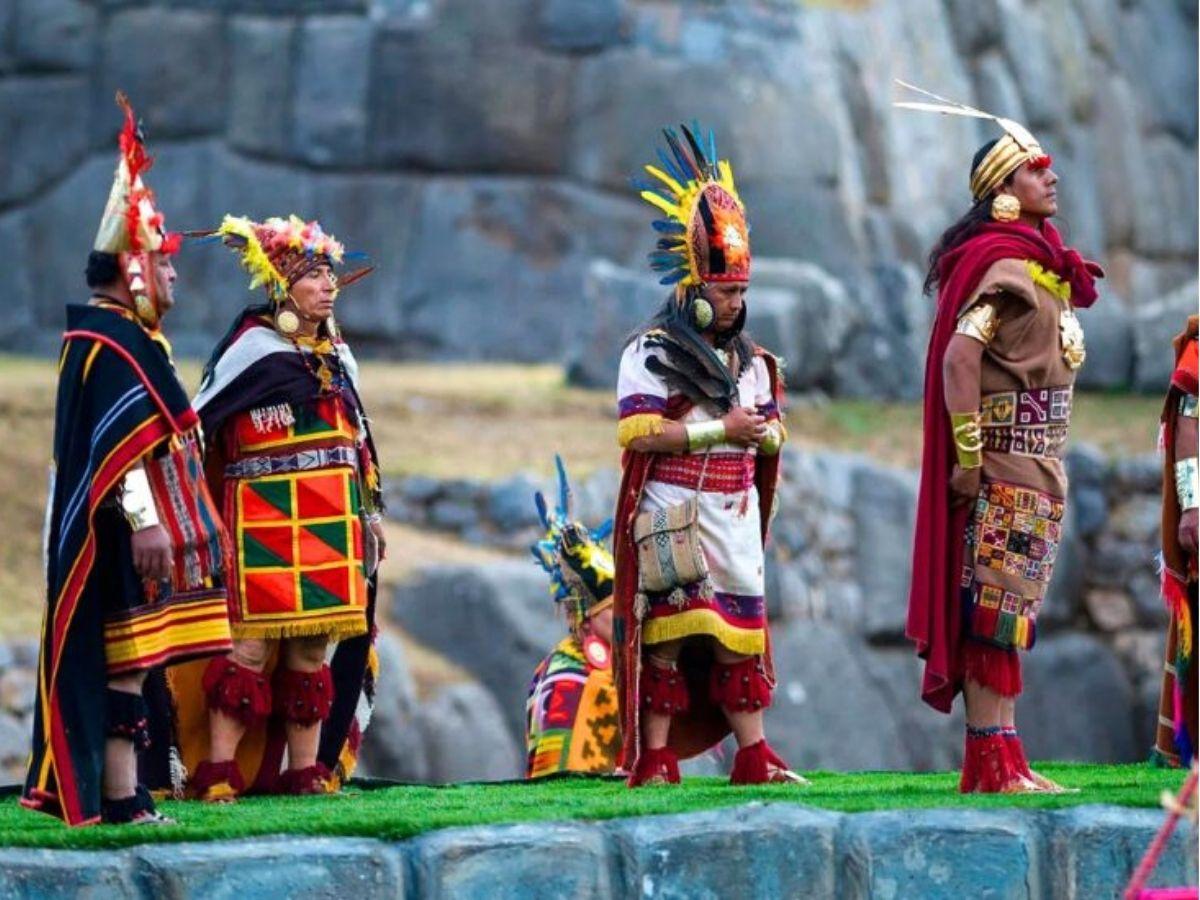
In the 15th century, the whole Andean region came under the rule of the powerful leaders of Cuzco. The Children of the Sun forced their law through their scary army, their large network of roads and the forced work of their subjects.
The origin of this empire, however, goes back to a founding myth passed down from generation to generation. This is how the chronicler Inca Garcilaso de la Vega told it, at the end of the 16th century, remembering what an uncle had told him in his childhood:
"In ancient times, this whole region was a vast mountain range and bushes, and the people of that time lived like beasts and brutes, without religion or order, without a city or home, without farming or planting the land, without clothes or covering their bodies [...]. Our Father Sun, seeing men as I have told you, felt sorry for them and sent from heaven to earth a son and a daughter of his to teach them the knowledge of Our Father Sun [...] and to give them rules and laws by which they would live as men with reason and civility."
The main characters of the story were two siblings, Manco Capac and Mama Ocllo, born on the shores of Lake Titicaca, in the heart of the Andes mountain range. They, by order of the Sun, started a journey to found a new city: Cuzco. From these two founding heroes came the dynasty of the thirteen Incas. There is no reliable historical data about the first of these rulers, the so-called legendary Incas. In any case, their lands did not go beyond the Cuzco area.
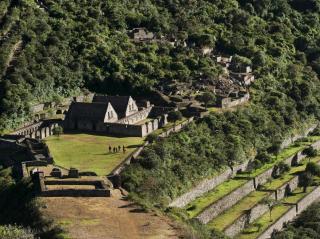
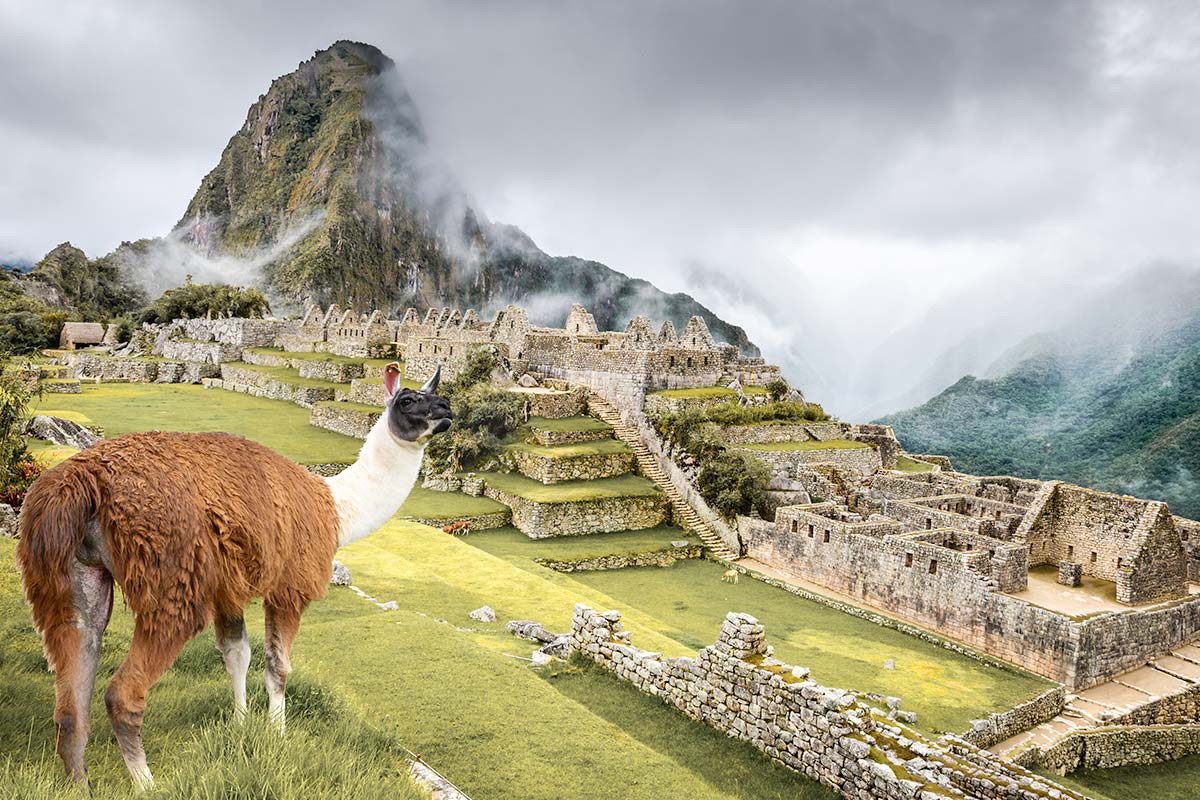
It was in the 15th century, under the rule of Pachacuti Inca Yupanqui, the ninth Inca, when the great expansion of the Inca Empire began. After the victory over the fierce Chancas, it was under his rule that his generals conquered Cajamarca, while Pachacuti focused mostly on strengthening Cuzco and the Titicaca region. A surprising fact is also given to this ruler: he is considered the founder of Machu Picchu, probably built as a royal home and religious sanctuary.
His son, Tupac Inca Yupanqui, inherited and expanded the borders of the Empire even more: he set up his military camp in Cajamarca before attacking the Chimu kingdom, which he finally conquered, and he also defeated the warlike Chachapoyas. During his rule, the Incas added the lands that today make up Ecuador, Bolivia, Chile and Argentina.
This vast territory, which in the early 16th century housed twelve million people, was under the supreme authority of the emperor: the Inca.
He lived with his family in Cuzco, in a palace that each ruler rebuilt, surrounded by his wives and children, the other royal families, his ministers and priests. The succession was passed from father to son, and although the rule of the firstborn was not applied, the heir had to be one of the princes or auquis born to the main wife, the coya (or colla).
Upon reaching adulthood, the emperor was introduced to the tasks of the State. Logically, the existence of several candidates to the throne caused plots and power struggles, especially because each prince formed his own family line, or panaca, which defended his interests. It is well known that these family conflicts led to the conquest of the Inca Empire by Pizarro in 1532, who took advantage of the civil war between the brothers Huascar and Atahualpa to take over.
The main religious and administrative positions were held by members of the different panacas. The Spanish called them "big ears" because their huge earrings stretched their earlobes too much. This royal elite was organized through complex family rules and was linked to the provincial leaders (the curacas) and the administrative group.
All of them enjoyed many privileges, such as traveling in litters, wearing fine fabrics, protecting themselves with umbrellas, and having concubines and servants, the yanaconas. Below them was the great mass of the population, the hatunruna (the common people). It was they who kept the Empire going with their work, which the Incas took through a system that would survive under Spanish rule: the mita, a provision of work or services by the community.
The Tahuantinsuyo, as the Incas themselves called their empire, was a military state. It had a powerful and well-trained army, supported by the mita. This allowed for the recruiting of a large number of soldiers in working age for combat. The youngest marched to the front, while the rest worked on making tools and supplying food. The soldiers were replaced through mandatory shifts, and the army was always rested.
In addition, the road system (Inca Trail) made communication easier between the different parts of the Empire and allowed for the fast movement of troops. They could get supplies or rest in the tambos or warehouses that dotted the roads, where food and weapons were kept. Military campaigns could last a long time and, sometimes, were led by the Inca or one of his generals, although, in practice, the final ones in charge were experienced soldiers.
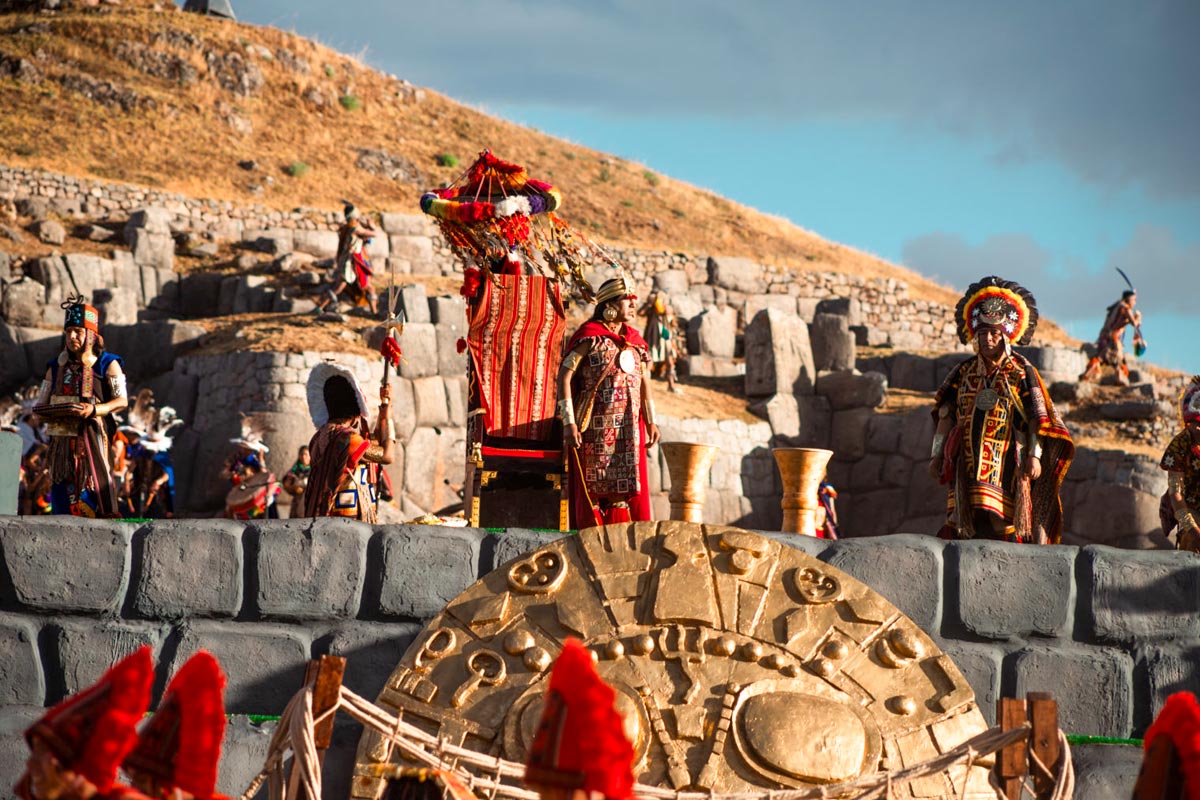
The conquests of the Inca army led to great celebrations. Pachacuti, for example, upon returning from a successful four-year campaign, was welcomed by the excited people of Cuzco, amazed by a group made up of allied leaders, war loot, and prisoners. These were sacrificed in the Aucaypata square, and their skulls became pots or keros (cups) to toast to the Sun.
After the conquest of a territory, the Incaization of its people was carried out by forcing the official religion, the worship of the Sun, and the Quechua language. The gods and curacas of the defeated towns were moved to Cuzco. The captured gods were placed in a temple that a Spanish writer compared to "the Roman Pantheon [...] and with this, it seemed to them that they had secured the conquered provinces, keeping their gods as hostages".
The curacas, for their part, learned Quechua, a necessary requirement to hold an official position, and then returned to their places of origin accompanied by teachers who taught the new language to the population, while their firstborn sons stayed in Cuzco as hostages for their teaching and to prevent a possible betrayal by their parents. If this was not enough to secure loyalty to the Inca Empire, the mitimaes system, or forced moves of whole populations, who were sent to far away lands, was put in place. This uprooting broke the inner ties of the controlled towns, effectively removing any hint of rebellion.
The conquered territories were kept together through a well-organized administration system. The Empire was divided into four regions, or suyos, to make its management easier; in fact, the name the Incas gave to their lands, Tahuantinsuyo, means "the four regions".
Each suyo or region was ruled by a suyuyoc apu, a representative of the king, usually a brother or uncle. The four suyuyoc apu formed a government council that advised the Inca. Each suyu was divided into territories of 40,000 people, ruled by curacas (chiefs) who enjoyed a certain degree of political independence.
However, the freedom of action of these curacas was limited by the fact that their children lived in Cuzco as proof of their loyalty and because they also had by their side two direct representatives of the Inca: the apunchic, or military governor, and the tucuiricuc, a kind of inspector (their name in Quechua means "those who see it all") who were mainly responsible for gathering the necessary troops for the army and the men who would work in the fields and the public works of the Tahuantinsuyu.
To establish the Empire, the Incas had to overcome huge geographical obstacles. To connect lands separated by towering mountains and countless ravines and gorges, they built tunnels and stairs dug into the rock, or hanging bridges, at a height of more than 5,000 meters. These bridges were made of fibers that inspired "a certain fear when looking at them, as they seemed so weak and fragile", as the Jesuit Acosta put it.
They ran a service of small totora (reed) rafts and larger ones called oroyas, which, like ferries, transported people and goods. A large network of roads was created (the Qhapaq Ñan) and an efficient relay system based on chasquis, or messengers, capable of carrying a message from Quito to Cuzco in six days, with relays every six kilometers.
In the Inca Empire, the State controlled everything. All productive goods (mainly the land, but also the livestock) belonged to the Incas, although in practice the resources were divided according to a system that experts call "tripartition".
The State organized the life of the hatunruna from their birth. It not only took their work force, but also decided their place of living and even controlled their married life. Marriage was mandatory and had to take place inside each ayllu.
To stop the couple from being close relatives, only the Inca could marry his sister, the ayllu was divided into hanan (up) and hurin (down), and it was set that the ones from above could marry the ones from below and vice versa. Polygamy was allowed, but only for nobles and curacas.
Marriages were held in massive state ceremonies, where young people between 16 and 20 years old were paired up. If love did not happen during the celebration, the curaca created forced couples that lived together for six months. This time was known as sirvinacuy and if love did not grow during that time, they could separate.
To make the engagement official, according to Acosta, the groom had to put an "otoja" on the young woman's foot. "Otoja" is the name given to the footwear they use there, which is like an espadrille or an open shoe used by Franciscan friars. If the bride was a virgin, the otoja was made of wool; if not, it was made of esparto grass.
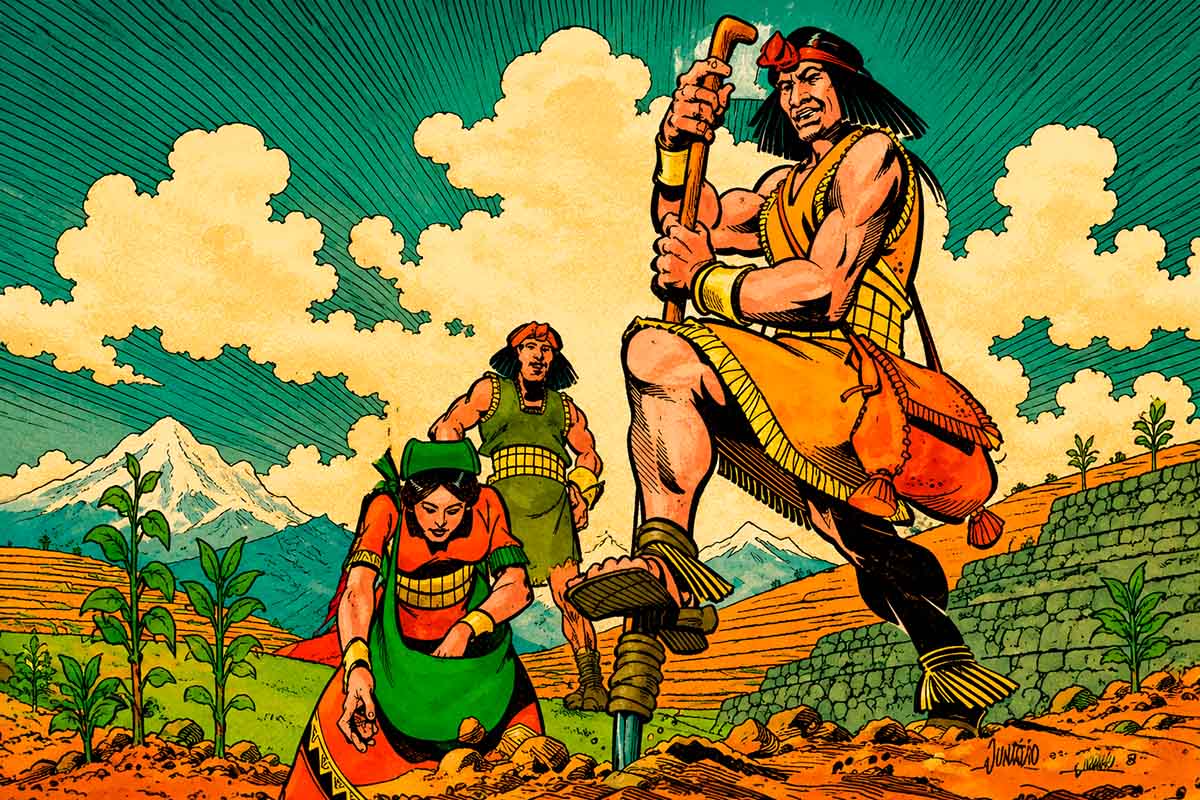
Once married, the State gave the young couple a home with a plot of land or tupu and clothes. Every year, the grants were checked and, if the couple had children, they received more land: one tupu for each son and half for each daughter. The total size of the ayllu depended, therefore, on the number of plots their sons had.
Each couple also received a pair of llamas, whose wool had to be given to the State, although the babies could be used freely. The ayllu, based on family ties, encouraged support among its members and gave protection to the most vulnerable: people with disabilities, widows and the elderly.
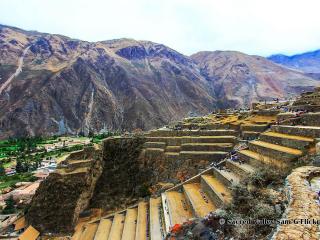
Each man farmed his plot individually; but if a son died, the rest of the community worked the dead person's plot unselfishly to support his family. In the same way, the men who stayed in the ayllu had to farm the lands of those who were drafted for the army. Thanks to this organizational system, Andean farming reached a high level of development. To guarantee the water supply, canals were built that carried it from the mountains to the coast, watering the terraces that the hatunruna had built with so much effort on the slopes. These terraces, placed at different heights, allowed the growing of a great variety of crops.
Some examples of this farming engineering that can still be visited today:
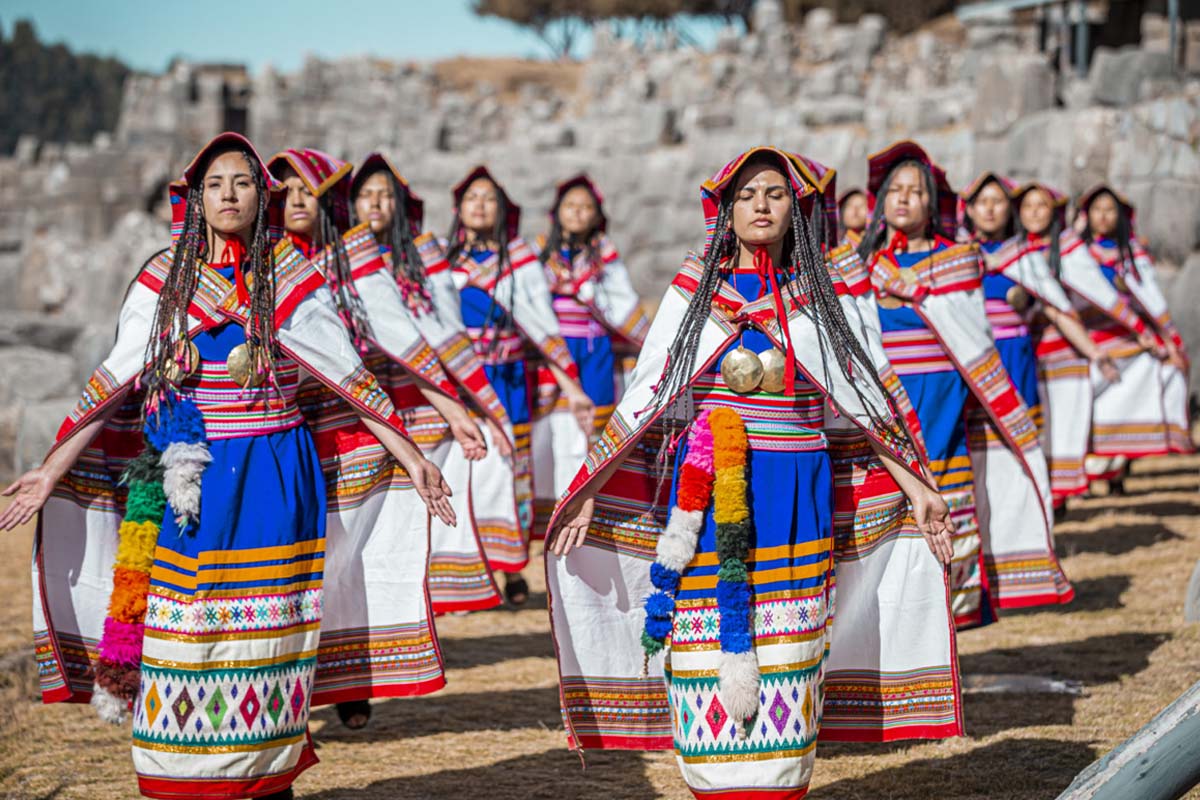
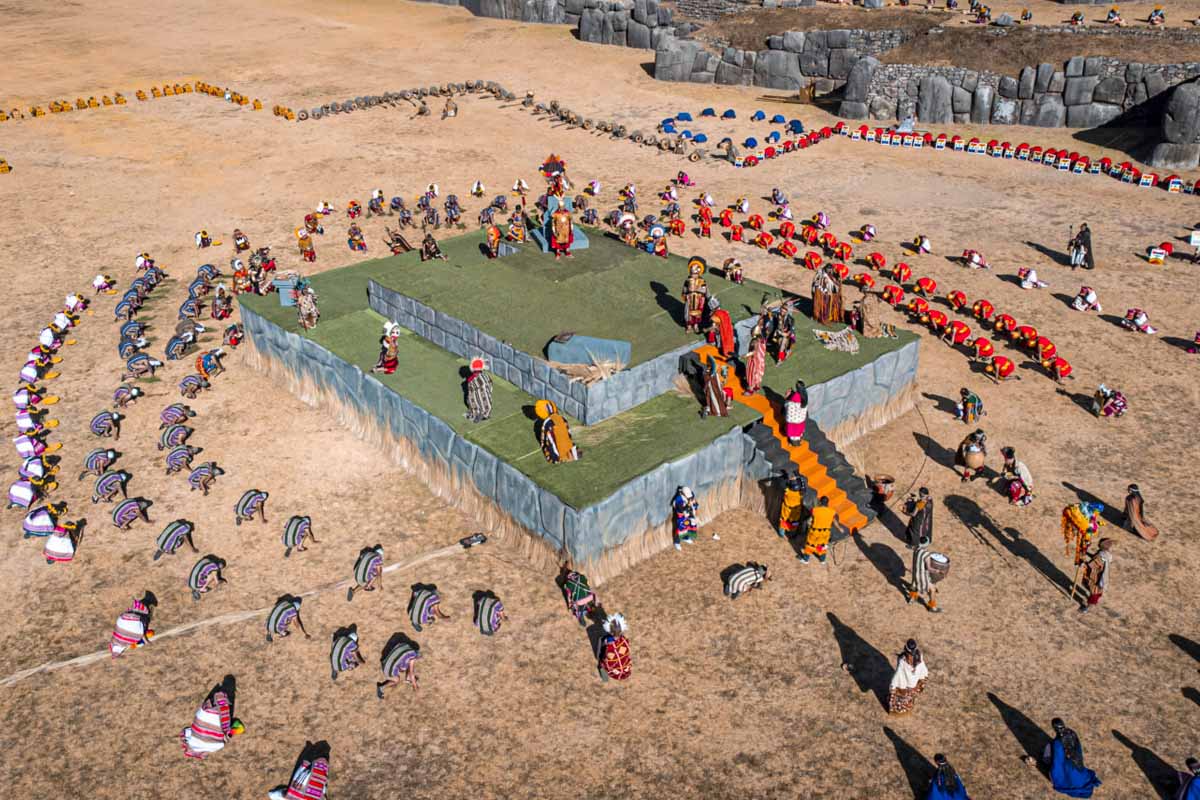
For regular people, their duties did not end with the Incas. They also had to honor the gods of the large Inca pantheon by taking part in huge and complex ceremonies that included music and dance, and by performing rituals and offerings where animals were sacrificed, mainly llamas and also human beings.
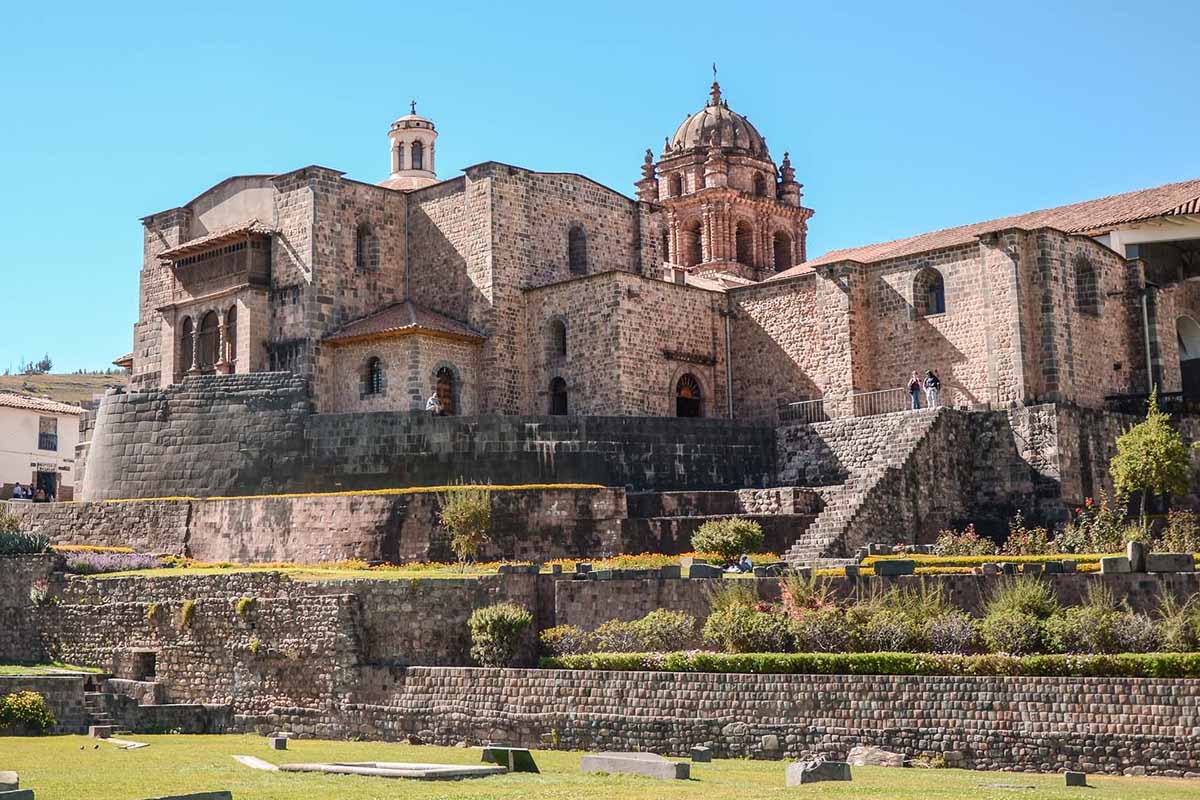
The ritual became very detailed, and a hierarchy of priests was built around it, whose jobs included predicting the future.
The priests looked for answers in the insides of llamas (the sacred animal, usually white), in the close watching of the fire in a sacred fire pit, and even in the movement of captive spiders.
Huayna Capac himself needed these services to name his heir, since he could not decide between his sons Huascar and Ninan Cuyochi. To solve the matter, the Callpa ceremony was held, in which the priests read the insides of a sacrificed llama. But this time they did not get comforting words for the Inca, since the signs were terrible for both candidates.
That terrible Callpa ceremony turned out to be a warning. Ninan Cuyochi died shortly after, probably a victim of the same disease that ended the life of Huayna Capac, so Huáscar was named Inca. However, his rule was soon challenged by another of his brothers, Atahualpa, who ruled in Quito. The fight between both of them led to a bloody civil war that broke the Inca Empire right when Francisco Pizarro landed on its shores in 1532.
Taking advantage of this weakness, the Spaniards caught and killed Atahualpa, putting an end to almost a century of imperial growth. However, far from disappearing, a big part of this legacy, its roads, its terraces, its language and, above all, citadels like Machu Picchu, remain untouched today, waiting to be discovered by those who travel these same lands.

 +51 84 226 547
 +51 912 891 560
 Av Tupac Amaru PP-10B, Santiago, Cusco, Peru
  info@salkantaytrekmachu.com
 www.salkantaytrekmachu.com