Write us
Requets information
Salkantay Trek Machu
Sustainable Tourism Operator
+51 912 891 560
Resquest information

Santa Teresa: The Cheapest Route To Machu Picchu

Published: 28 October 2022 | Update: 10 December 2025 | Reads: 14652
Home / Travel Blog / Santa Teresa: The Cheapest Route To Machu Picchu
Santa Teresa: The Cheapest Route To Machu Picchu

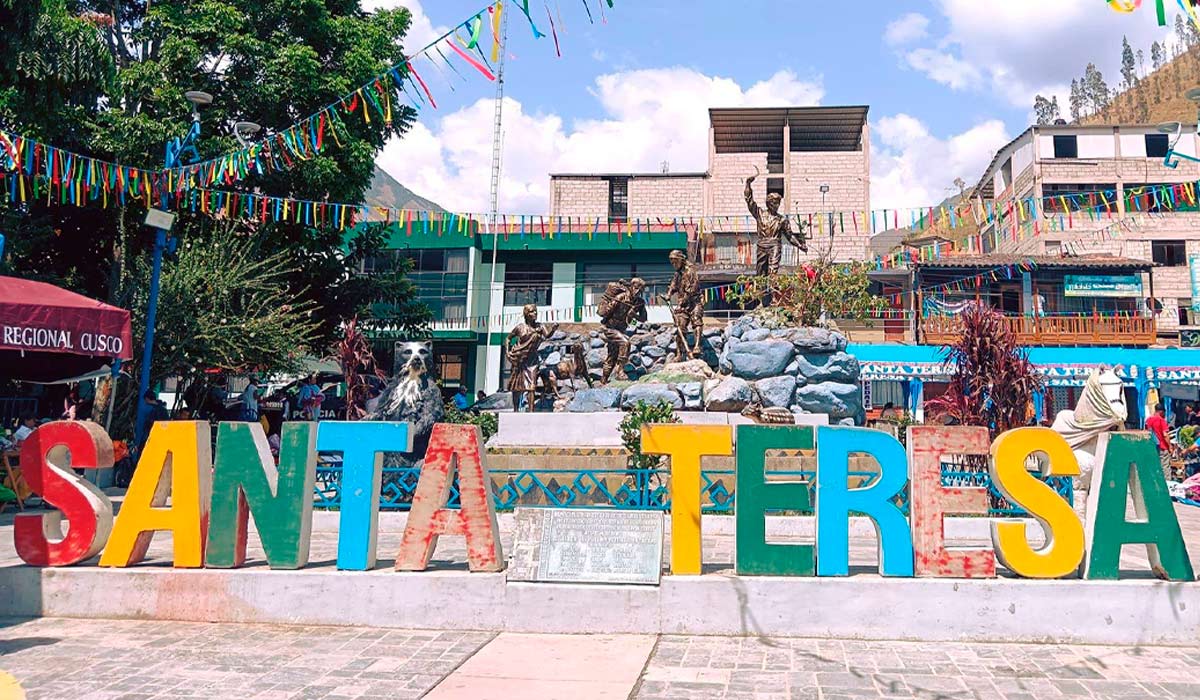
The district of Santa Teresa, located in the province of La Convención, in the Cusco region, is a geographical point that has gained popularity as the economical alternative route to access the citadel of Machu Picchu. Its capital, the town of Santa Teresa, is located at an altitude of 1,811 meters above sea level, on the right bank of the Urubamba River.


The town of Santa Teresa is characterized by a jungle brow climate, offering a notable contrast with the cold of the highlands. Besides its logistical function for budget travelers, the area is known for its natural attractions, such as its thermal baths and its closeness to the Hydroelectric train station.


Choosing this route allows travelers taking their vacations in Cusco to significantly reduce the costs associated with the train, which is the biggest expense for reaching Aguas Calientes. This guide will detail the step-by-step logistics of the route, from Cusco to Hydroelectric and the final walk, providing the necessary information to make this trip towards the Inca citadel.


Where is the Town of Santa Teresa located?

The town of Santa Teresa is located on the borders of the jungle brow of the Cusco region, a key factor in its geography and climate. This famous district belongs to the Province of La Convención and has established itself as a mandatory stop on the low-cost route to Machu Picchu.

  • Distance to Machu Picchu: Santa Teresa is located approximately 30 kilometers from the Inca citadel.
  • Road Route: Starting from the city of Cusco, the town of Santa Teresa is 221 kilometers away by road. This land journey is the longest section and the main source of logistical savings on the alternative route to Machu Picchu.


What to do in Santa Teresa?

The Santa Teresa district offers travelers various alternatives for relaxation, logistical services, and adventure sports, making it a destination with its own value beyond just being a stopover towards Machu Picchu.


Relaxation and Health

  • Cocalmayo Hot Springs: The main attraction of the town are the medicinal hot springs of Cocalmayo. This natural complex has several warm water pools at different temperatures, surrounded by vegetation. It is an ideal resting point for travelers who arrive exhausted after the long overland journey or the trek.

Adventure Sports and Nature

  • Rafting: The flow of the nearby Vilcanota (Urubamba) river is suitable for rafting with moderate rapid levels (Class II and III), offering an exciting experience in the jungle brow.
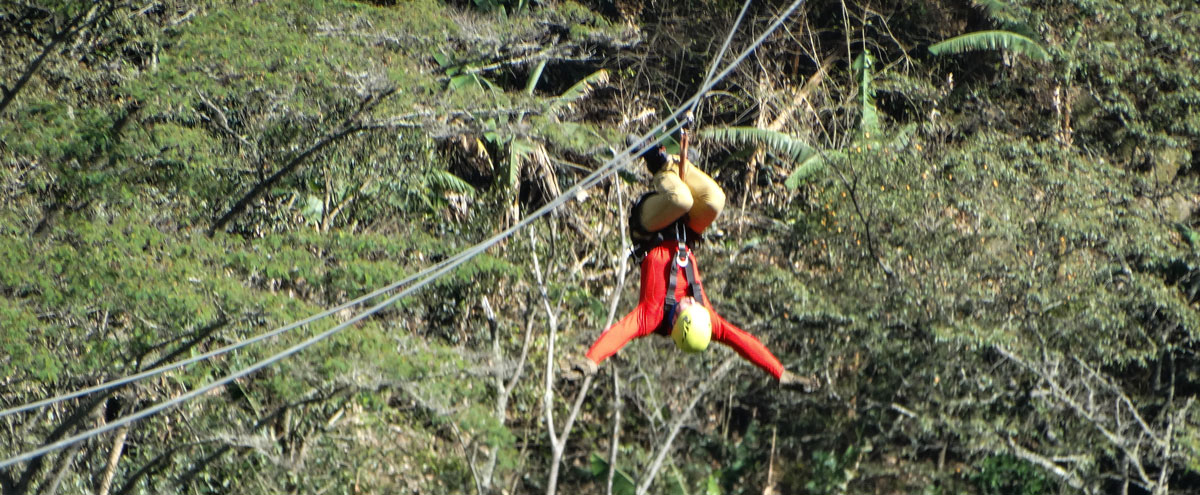
  • Zipline: Several companies operate zipline circuits in the surroundings, allowing visitors to slide on cables over the river and the valley, enjoying aerial views of the landscape.
  • Hiking: Santa Teresa is the logistical starting point for the popular walk along the train line from the Hydroelectric station to the town of Aguas Calientes (Machu Picchu Pueblo).

Tourist Services and Logistics

The town of Santa Teresa has developed a complete tourist infrastructure to serve travelers on the alternative route, offering:
  • Lodging: A variety of hostels, lodges, and camping areas for overnight stays.
  • Gastronomy: Restaurants and bars that offer local food, ideal for refueling before or after the final stretch to Machu Picchu.
  • Transport: Access to taxis and colectivos (shared taxis) that connect the town with the Hydroelectric station.

Santa Teresa Valley Peru


How to get to Santa Teresa?

There are two ways to get there:

A.- By road: from Ollantaytambo, passing through the Abra Málaga Private Reserve (4,350 masl), surrounding the Nevado Urubamba, passing through Ipal. They are 152 km which is done in about 5 hours.


B.- By train: from Ollantaytambo, passing through Machu Picchu, to the final station called Hidroeletrica de Santa Teresa. This tour takes just 3 hours.


Tourism in Santa Teresa

Santa Teresa in Cusco Peru has become in recent years an alternative route to visit Machu Picchu crossing the cocoa and coffee plantations. It is only 14 km from Machu Picchu.
  • Cocalmayo Thermal Baths. It- Composed of 3 pools of different sizes, temperatures, and depths. It has showers, dressing rooms, and wooden and carved stone kiosks that respect the natural environment. Located just 10 min by bus from the center. There are comping places in the area and it is open 24 hours.
  • Choquequirao.- From Santa Teresa, it is also possible to visit this important regional Conservation Area and the archaeological complex itself.
  • Adventure sports.- Like trekking, rafting, kayaking, and the monkey tail canopy.

Machu Picchu Santa Teresa


Hot Springs of Santa Teresa in Cocalmayo Cusco

The Santa Teresa Hot Springs is located in Cocalmayo, Sacred Valley of the Incas, Cusco.


The thermal complex, located at an altitude of 1,600 meters above sea level, is built on the slopes of the mountain and the banks of the Urubamba River.
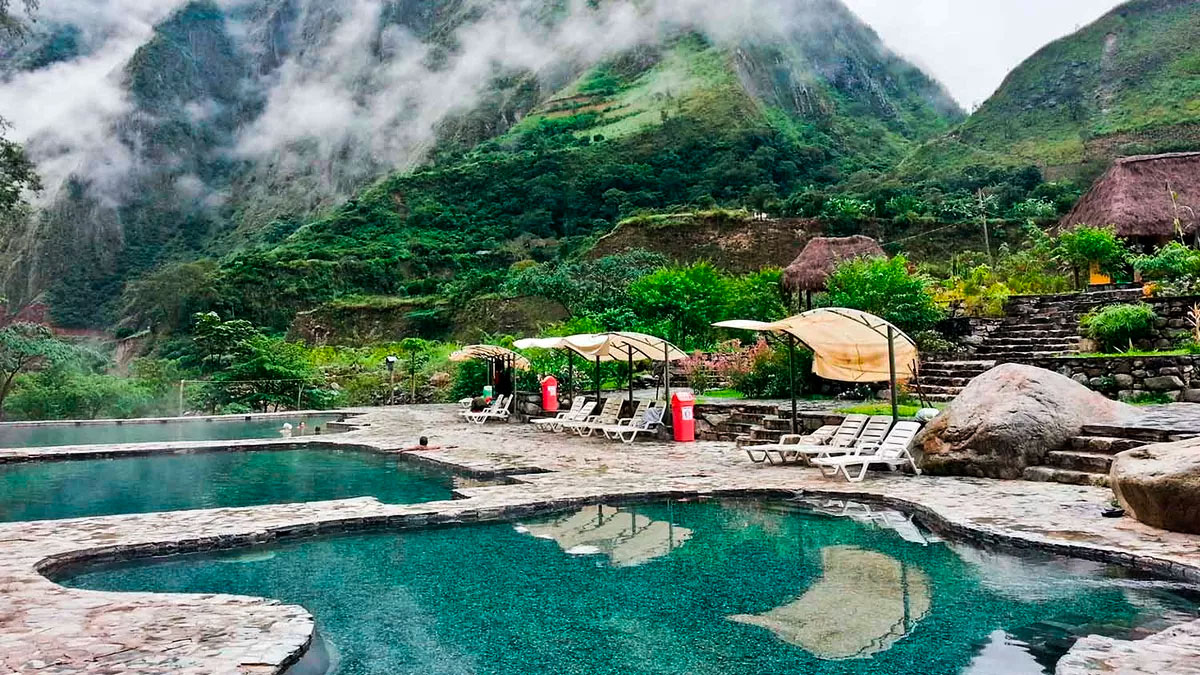
 

Cheapest way to Machu Picchu


A unique space, in which visitors enjoy a pleasant moment immersed in the warm waters of Santa Teresa while contemplating an incomparable natural beauty.


The thermal baths of Santa Teresa in Cocalmayo Cusco are made up of three pools of different sizes and depths, which are supplied with medicinal water that varies between 40ºC and 44ºC.


The medicinal waters have healing properties to treat skin ulcers, bone pain, and rheumatism.


The pools of the Santa Teresa Hot Springs are surrounded by nature. Its bottom is composed of soft sand and is surrounded by rocks, vegetation, the sound of the Urubamba river, and the mountain.


Near the pools, there are jets of cold water from the Uripata lagoons, which provide a very pleasant sensation. And a hydromassage system.


The hot springs of Santa Teresa in Cocalmayo Cusco are fully equipped with bathrooms, showers, dressing rooms, soccer fields, a camping area, a cafeteria, a kiosk (where the visitor can buy food and drinks), and a viewpoint.
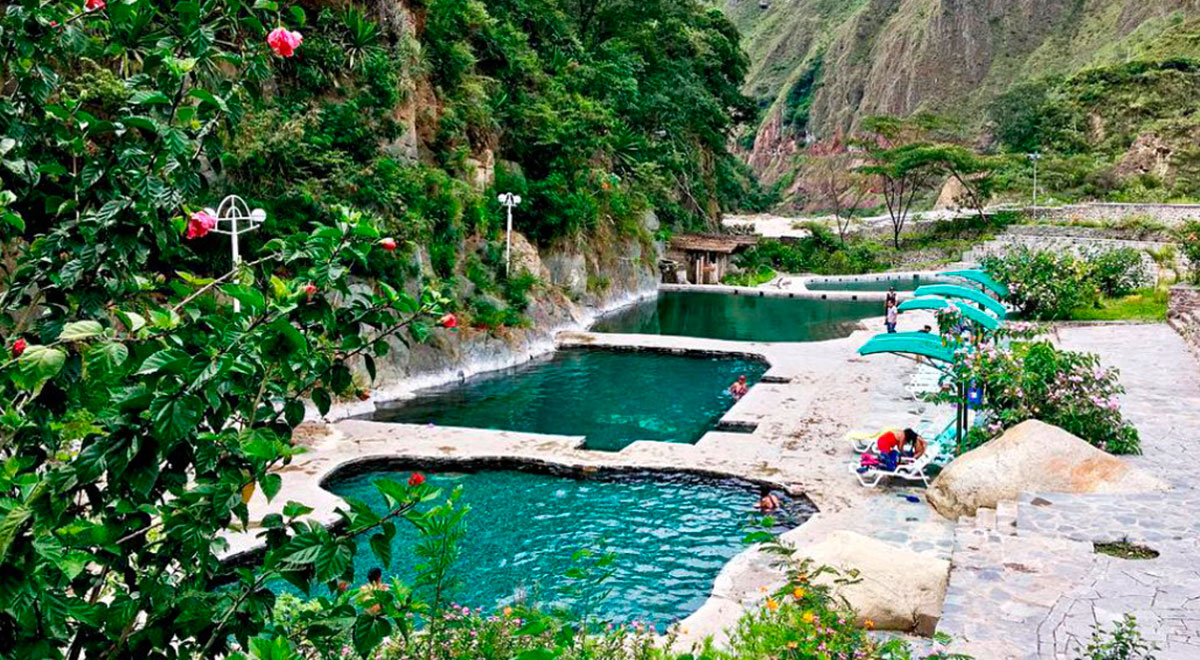
 

Cocalmayo Cusco Peru


It is a very pleasant place to rest after visiting the ruins of Machu Picchu, the Inca trails, Choquequirao, and other tours in Cusco.

The hot springs of Santa Teresa in Cocalmayo Cusco are open every day of the year, almost 24 hours a day. Its wide time slot allows you to enjoy the starry nights inside the pools, which is amazing since the stars are reflected in the crystal clear water as if they were a mirror.


Chemical composition of the water in the Santa Teresa hot springs:

The thermal baths of Santa Teresa in Cocalmayo Cusco differ from the other hot springs in Peru for their crystal clear waters.

The thermal waters of Cocalmayo or Santa Teresa are composed of minerals such as calcium, sodium, bicarbonate, sulfate, magnesium, among others.

TRAVEL TIP! Don't forget to bring mosquito repellent to your visit to the Santa Teresa Hot Springs.

Nature offers us a unique and incomparable setting in these medicinal waters, but it also presents the typical insects of the jungle areas. With a repellent, you will avoid small mosquito bites.


How to get to the Santa Teresa Hot Springs?

The Hot Springs of Santa Teresa, popularly known as Cocalmayo, are located on the left bank of the Urubamba River. Access to the hot springs is through the town of Santa Teresa. There are two main routes to get there from Cusco: the most common land route (vans/bus) and the railway route (much less used for this section).


A) By Bus from Cusco to Santa Teresa

This is the most used route by travelers looking for the low-cost alternative to Machu Picchu:

  • Cusco to Santa María: The journey begins in Cusco (Bus Terminal or collective stops) taking a bus or colectivo (shared taxi/van) to the district of Santa María (or Maranura). This section of the road is long and winding, lasting approximately 5 to 6 hours.
  • Santa María to Santa Teresa: From Santa María, local transport (shared taxi or colectivo) is taken, which travels the paved road to the town of Santa Teresa. This section lasts approximately 1 hour.
  • Santa Teresa to Cocalmayo: Once in the town, the hot springs are about a 10-minute taxi ride or a 20 to 30-minute walk.


B) By train from Cusco to Santa Teresa

The railway option is more expensive and is not direct to Santa Teresa, but is mainly used to get to the Hidroeléctrica station:

  • Cusco/Ollantaytambo to Hidroeléctrica: The train (Perurail/Inca Rail) is taken to the Hidroeléctrica station.
  • Hidroeléctrica to Santa Teresa: From Hidroeléctrica, you can walk (approximately 2 hours) or take a taxi/colectivo (approximately 20-30 minutes) to the Plaza de Armas of Santa Teresa. From there, the final journey to the hot springs is short.
Note: The complete land route (Cusco-Santa Teresa) is the most cost-efficient way to access the hot springs.

Inca Trail Tours 2026


The best time to visit the thermal baths of Santa Teresa

The best time to go to the Hot Springs of Santa Teresa (Cocalmayo) is from April to October.


Santa Teresa in recent years has grown a lot due to the investments that have been made in Accommodations, Restaurants, and other tourist services.


Prices of the Hot Springs Santa Teresa - Cocalmayo

The values of the tickets to the Termas de Santa Teresa in Cusco belong to the 2025 rate.

  • Foreign adult: PEN 15
  • National adult: PEN 10
  • Local Adult: PEN 2.50

Santa Teresa Trek in Cusco


How to get to Machu Picchu through Santa Teresa?

  • To get to Machu Picchu through the town of Santa Teresa, you must follow the alternative route to Machu Picchu, starting from the city of Cusco.

To get to Machu Picchu through this route you must follow these 5 steps:

  • Take a bus (on Antonio Lorena avenue) from Cusco to the town of Santa María. The trip takes approximately 4 hours 30 minutes.
  • In Santa María you must take a ‘collective taxi’ in the direction of the town of Santa Teresa. The journey takes approximately 1 hour.
  • Once in Santa Teresa, take a ‘collective taxi’ again to the famous Hydroelectric station. The journey takes 30 minutes.
  • In Hydroelectric, the tourist must walk to Aguas Calientes (approximately 2 hours). Another option is to take a train (30 minutes). This walk is an incredible experience due to the landscapes that are there.
  • Finally, you must take a bus from Aguas Calientes to Machu Picchu (30 minutes). The other option is to walk up (approximately 2 hours).


How much does it cost to get to Machu Picchu through Santa Teresa?

The alternative route to Machu Picchu is the cheapest way to get to the Inca City. It has an approximate cost of 27 US dollars per tourist.

These are the approximate costs of the alternative route to Machu Picchu:


ROUTE CUSCO - HYDROELECTRICA - MACHU PICCHU PRICE IN AMERICAN DOLLARS
Travel by bus Cusco - Santa María10 USD
Collective taxi ride Santa María - Santa Teresa5 USD
Collective taxi ride Santa Teresa - Hidroeléctrica3 USD
Hydroelectric Walk - Aguas Calientes0 USD
Travel by bus Aguas Calientes - Machu Picchu12 USD
Total cost:  27 USD


Salkantay Trek to Machu Picchu


Questions and answers about the alternative route to Machu Picchu

  • How much does the entrance to the thermal baths of Santa Teresa cost?
    The entrance to the Cocalmayo de Santa Teresa thermal baths has a cost of 10 Peruvian soles (3 USD) for foreign tourists.

  • How high is the town of Santa Teresa?
    The town of Santa Teresa is 1,550 meters above sea level. (5,085 ft).

  • How is the weather in Santa Teresa?
    Santa Teresa has a tropical climate that varies from 11ºC. (52ºF) to 28ºC. (82ºF). From November to April is the rainy season and from May to October, the dry season (with little rain).

  • How much does a train ticket cost from Hidroeléctrica to Aguas Calientes?
    The train ticket from Hidroeléctrica to Aguas Calientes has an approximate cost of 30 US dollars per person. However, most tourists choose to walk this stretch of only 10 kilometers.

  • Where to sleep in Santa Teresa?
    The town of Santa Teresa offers several lodging offers from 1 to 3-star services. Another good option is to choose an inexpensive ‘camping’ where you can rest outdoors.

  • When is the best time to visit Santa Teresa?
    The dry season (from April to October) is the best time to visit the town of Santa Teresa. The months of May, June, and July are especially hot and with little rain, which is why they are ideal for sports and walks.

  • What to bring if I travel to Machu Picchu on the route through Santa Teresa?
    If you choose to get to Machu Picchu through the Santa Teresa route, do not forget to bring a hat, sunscreen, mosquito repellent, hiking shoes, bathing suits, towel, light clothing, poncho in case of rain and mineral water.

  • Can I go to Machu Picchu on the Santa Teresa route through a tour?
    Yes. There are different tours that offer to take the tourist to Machu Picchu through the alternative route through Santa Teresa. You can hire one of these services online or in the city of Cusco.

More Information:


The best trips in Peru

Peru offers unique experiences that show impressive landscapes, archaeological sites, and living traditions, attracting travelers who seek adventure and discovery in each region of the country. Get to know some of the most recommended trips to explore its diversity.

Inca Trail, Machu Picchu and more


Most Popular Trips

Salkantay Trek Machu
Sustainable Tourism Operator
We are a tour operator of Salkantay Trek to Machu Picchu. We have been providing tours for more than 8 years and our reliable.
Phone +51 84 226 547
WhatsApp +51 912 891 560
Address Av Tupac Amaru PP-10B, Santiago, Cusco, Peru
emailinfo@salkantaytrekmachu.com
Websitewww.salkantaytrekmachu.com