
Choosing the ideal Peruvian trek to Machu Picchu can be a challenge, especially when comparing two of the most popular routes in the Andes. While the Inca Trail is the most mentioned option, travelers often look for new experiences that balance natural beauty with cultural authenticity.
On one hand, we have the Classic Salkantay trek, highly recognized for its dramatic landscapes and physical demand. Crossing the high pass of the snowy Salkantay mountain at more than 4,600 m, this route takes you from glacial peaks to the lush high jungle, offering impressive biological diversity.
On the other hand, the Lares trek is known as the "cultural path", as it prioritizes contact with Andean communities that maintain their traditions. Unlike other more traveled routes, this path allows you to see up close the daily life of the Andean people, crossing valleys and enjoying natural thermal baths on the way. In this article, we deeply analyze the Salkantay Trail vs Lares Trail to help you decide which one best fits your adventurer profile.
The choice between Salkantay and Lares does not depend on which route is "better," but on what type of experience fits you more. If your main motivation is the physical challenge and spectacular scenery, the Salkantay Trek is the clear choice, as you must be prepared for long days of walking.
On the other hand, if your interest leans more towards cultural immersion and tranquility, the Lares trek will offer you a much deeper experience. Although the altitude is still high, the pace of the walk is usually more relaxed, which allows you to interact with the Quechua communities that live in the valley.
To help you make the decision, review these profiles:
Choose the Salkantay Route if:
Choose the Lares Route if:
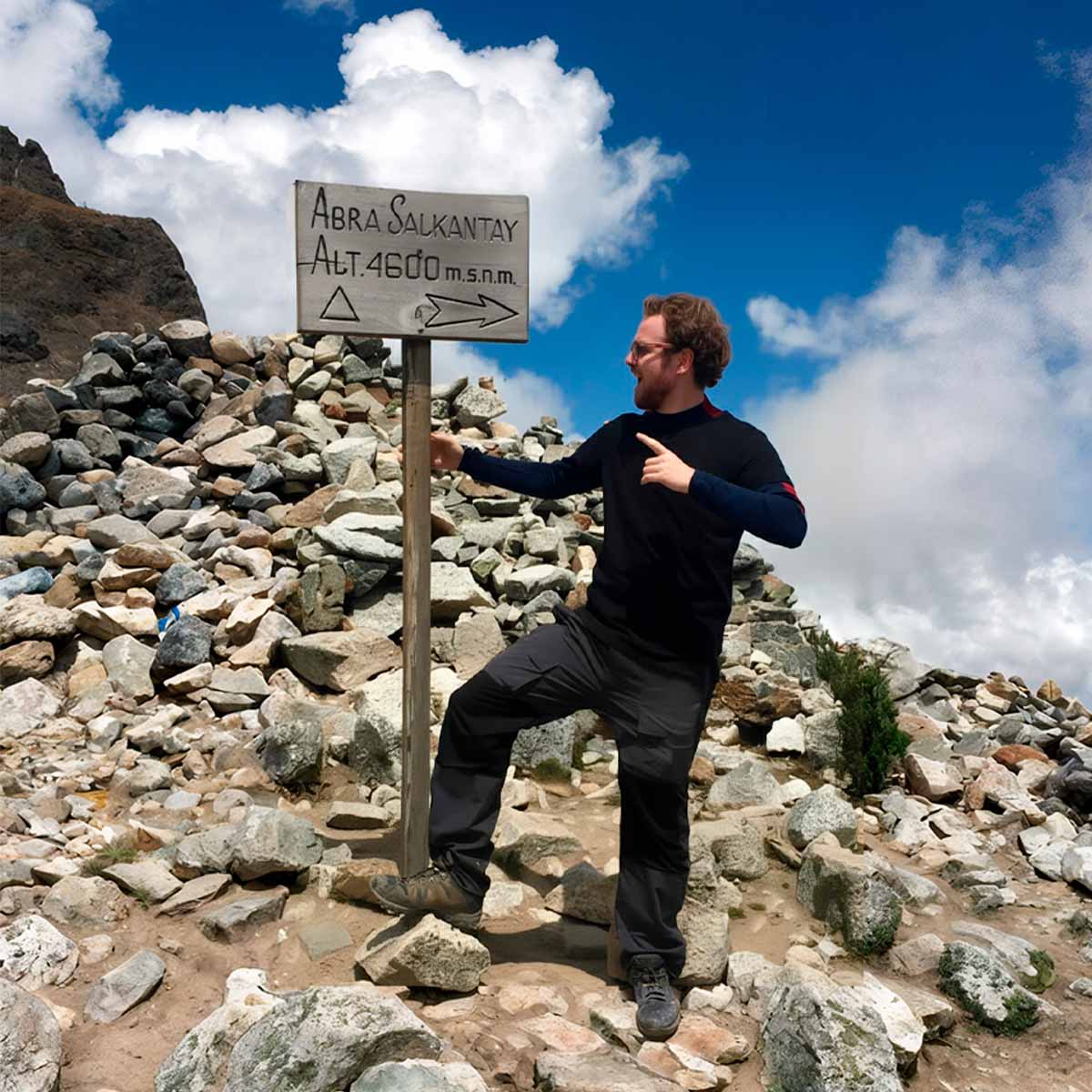 | 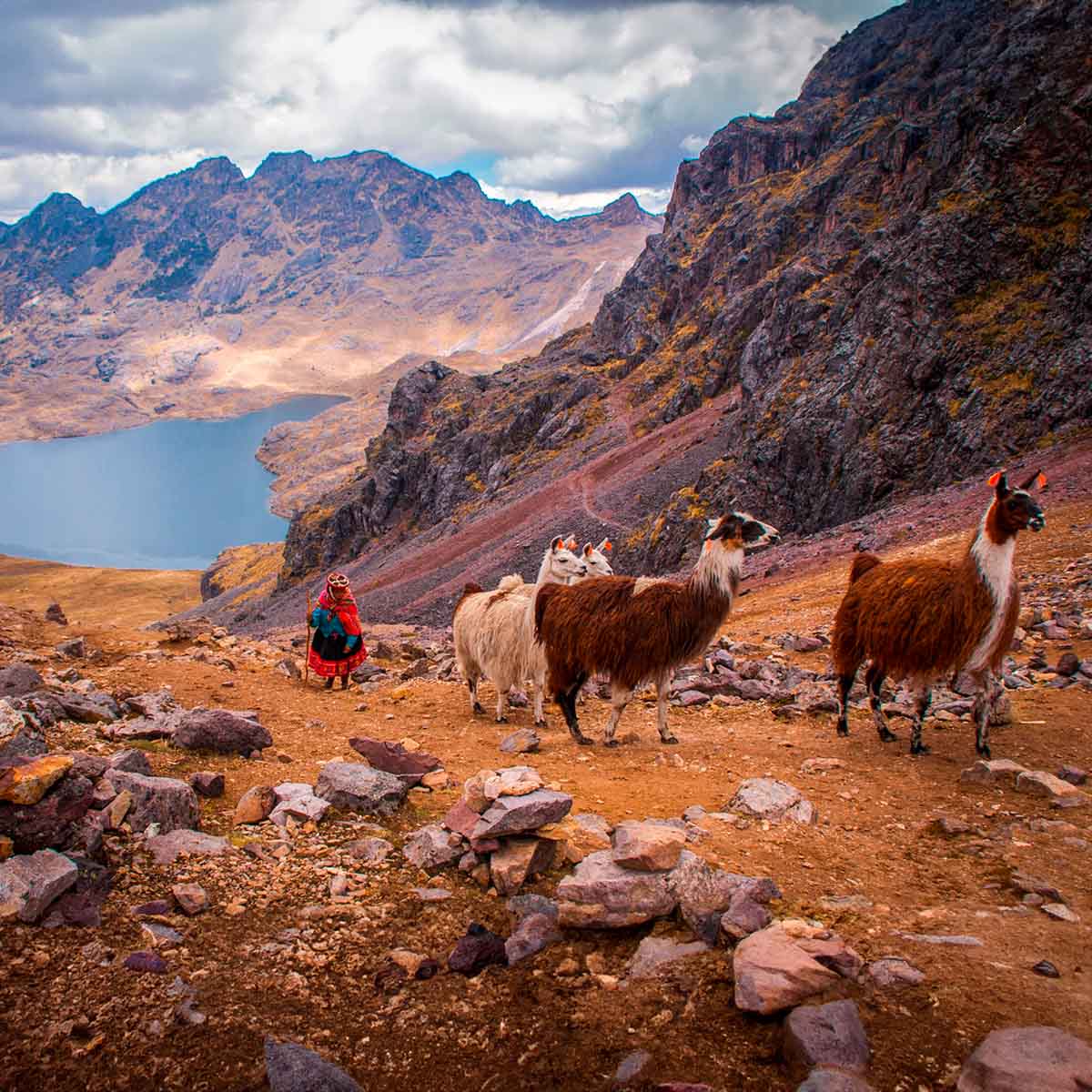 |
Here is the reason why Salkantay is “more popular”:
Both routes cross the high Andes and offer spectacular landscapes, but they provide completely different travel experiences. Here we break down their key differences:
The Final Destination and Logistics
The Salkantay Trek is a route that connects geographically with the wonder of the world. It ends very close to Machu Picchu, specifically in Santa Teresa or Hidroelectrica, allowing you to reach Aguas Calientes by walking. On the other hand, the Lares Trek does not end at the citadel; it generally concludes in the town of Huaran or Lares, from where it is necessary to take transport to Ollantaytambo and then a train to Aguas Calientes. It is a "hybrid" route that combines hiking with a train trip of several hours.
Landscapes and Ecosystems
- Salkantay: Focuses on the majesty of the glaciers. It offers impressive views of the Humantay and Salkantay snowy peaks, then descends drastically toward the humid cloud forest. It is a radical change of scenery in a few days.
- Lares: Stands out for its impressive views of turquoise lagoons, crystal-clear waterfalls, and a more constant high-mountain environment. It also provides a look at the life of local communities, which highlights its cultural value.
Cultural Immersion and Crowds
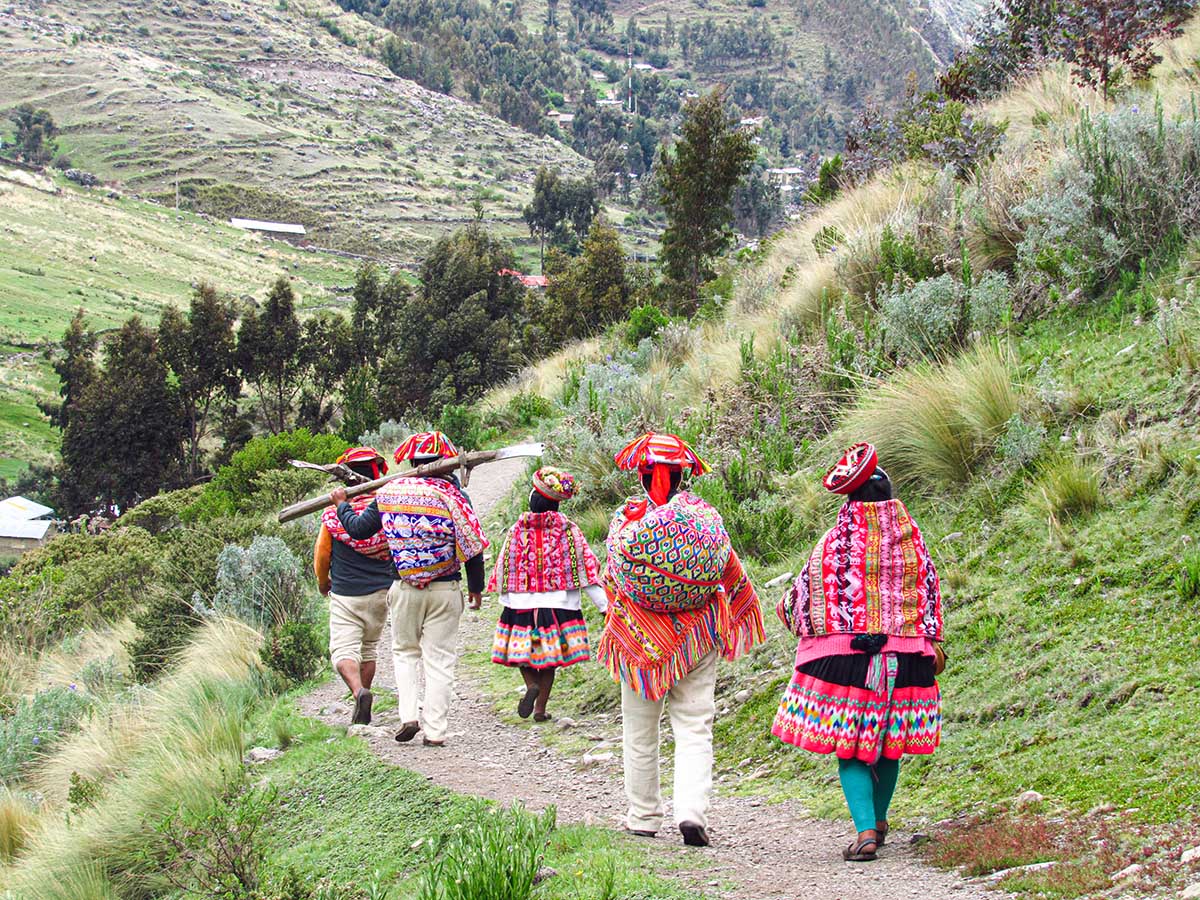
It is well known that Salkantay is the most popular alternative route to the Inca Trail, so it has a considerable number of tourists and more established campsites. While Lares offers much fewer tourists, which guarantees a more solitary and authentic experience. You will cross very traditional villages where the inhabitants still wear their typical red clothes and maintain customs like herding and traditional weaving.
Thermal Baths and Archaeology
Lares has the famous medicinal thermal baths of its main town, and Salkantay offers the Cocalmayo baths (Santa Teresa). Both routes end by allowing you to enjoy the Aguas Calientes baths.
Regarding Inca remains, it is important to highlight that neither of these two routes has Inca ruins on the path, unlike the traditional Inca Trail. However, Salkantay allows a visit to Llactapata as an archaeological plus.
Difference in Costs
The hike to Lares is usually more expensive because of the transport logistics. Since it does not reach the Machu Picchu area directly through trails, it involves an additional train ticket from Ollantaytambo.
Peru offers unique experiences that show impressive landscapes, archaeological sites, and living traditions, attracting travelers who seek adventure and discovery in each region of the country. Get to know some of the most recommended trips to explore its diversity.

 +51 84 226 547
 +51 912 891 560
 Av Tupac Amaru PP-10B, Santiago, Cusco, Peru
  info@salkantaytrekmachu.com
 www.salkantaytrekmachu.com


