
Just 100 kilometers east of the city of Lima, in the province of Huarochiri, there is a unique destination: the Marcahuasi plateau. This natural sanctuary, located at 4,000 meters above sea level, is a four-square-kilometer granite stone forest, famous for its giant eroded rocks that popular imagination has interpreted as figures of animals and human faces.
Marcahuasi is not just a hiking destination, but also one of the most popular places near the capital for camping and star gazing, thanks to the clarity of its night skies. However, its altitude and its access through the Lima highlands require detailed logistical planning for transportation and, fundamentally, for managing altitude sickness.
This guide is designed to answer the question: How to get to the Marcahuasi natural sanctuary? Below, we will focus first on the place, then we will cover the transportation options and the final ascent to the plateau.
Marcahuasi is located in the eastern highlands of the department of Lima, about 100 kilometers from the Peruvian capital. Politically, it belongs to the province of Huarochirí and is within the jurisdiction of the district of San Pedro de Casta.
It is essential to differentiate between the destination itself and its access point. Marcahuasi is the stone plateau, a natural sanctuary that rises to 4,000 m.a.s.l. The town that serves as the entrance and starting point for the hike is San Pedro de Casta, which is located at a lower altitude.
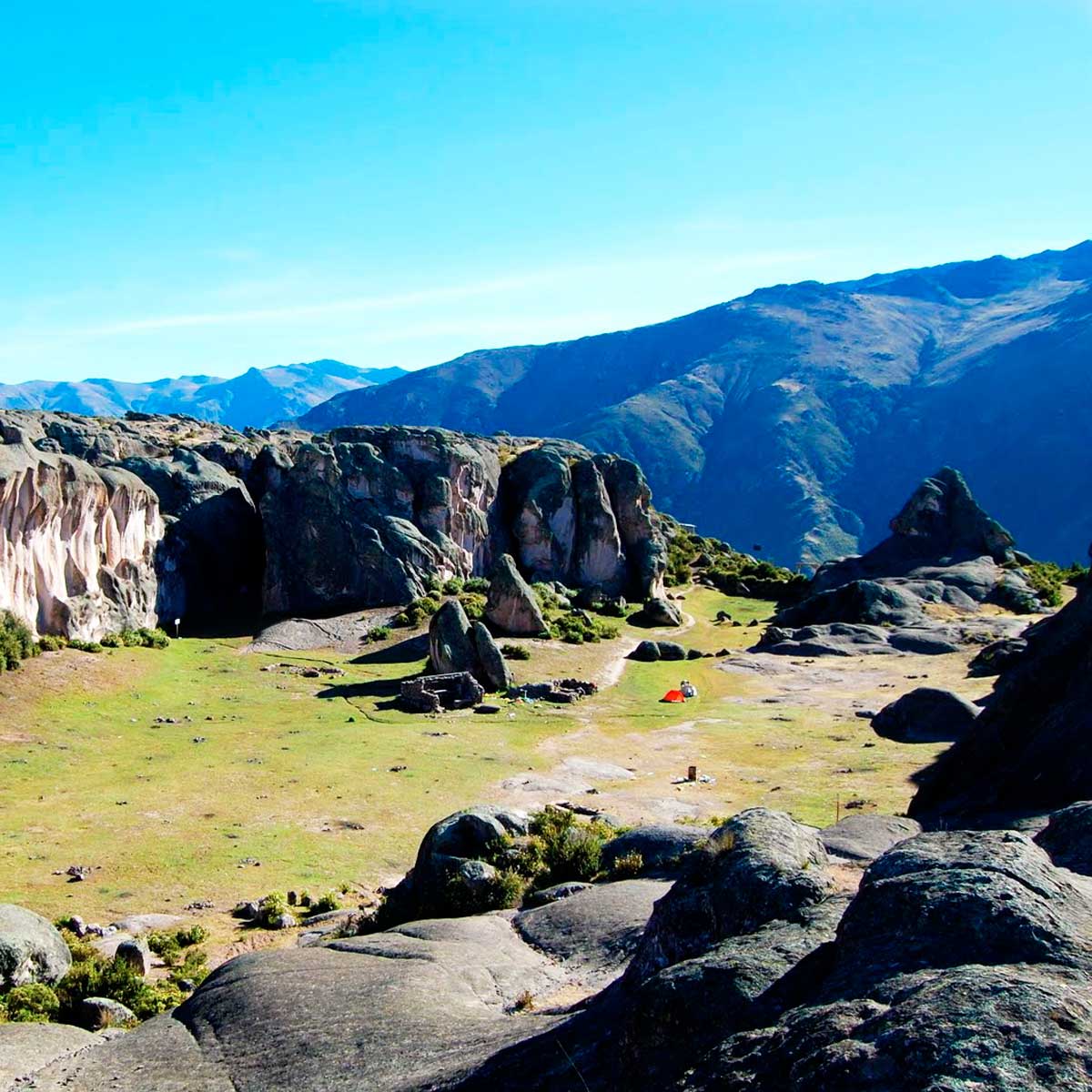
Marcahuasi is a granite plateau, the product of an exposed batholith (mass of intrusive rock). It has an approximate area of four square kilometers and is surrounded by deep abysses, which gives it a dominant position over the surrounding valleys.
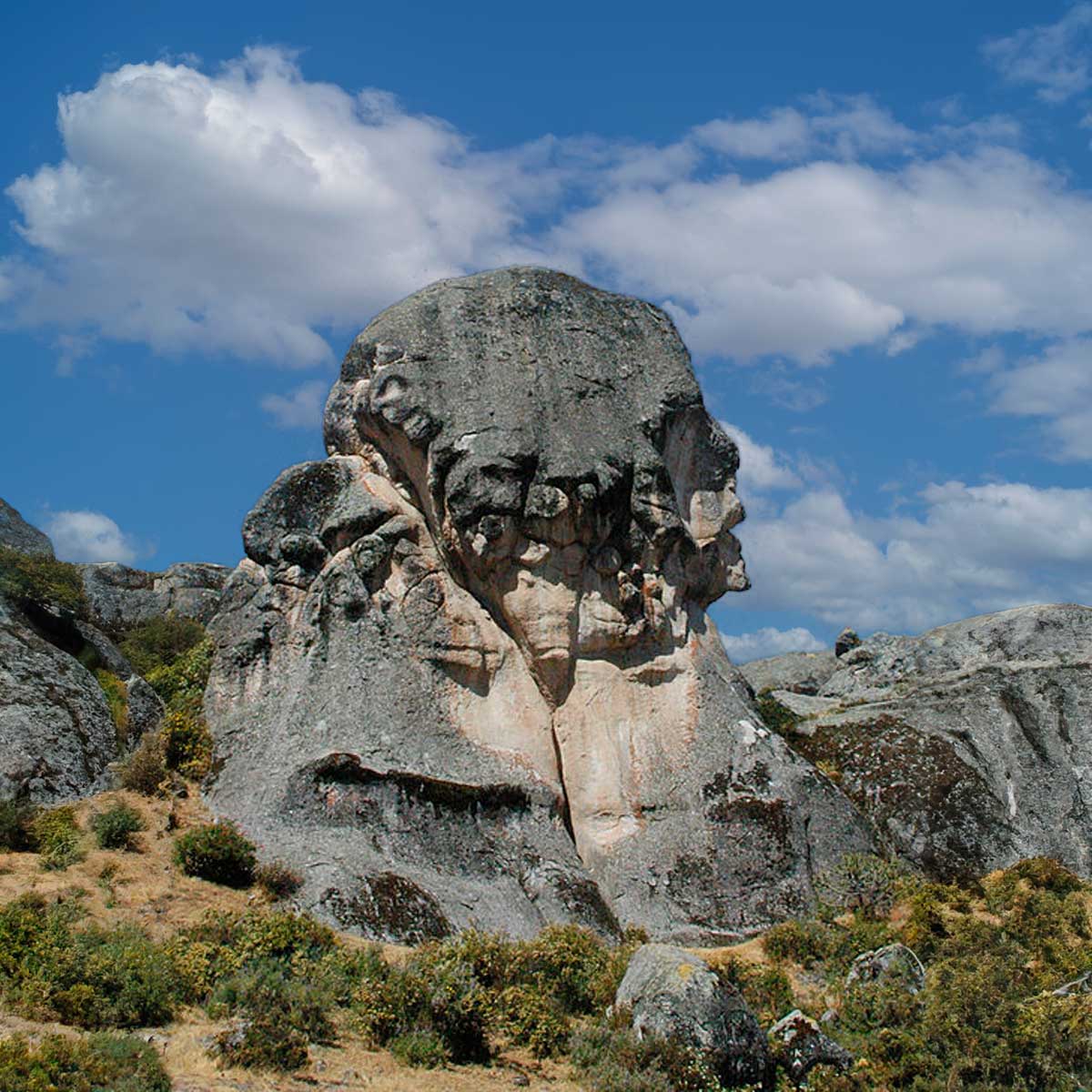
The main characteristic of the plateau is its forest of stones: a unique set of gigantic granite rocks, some up to 25 meters high. The fame of the place is due to climate erosion sculpting these rocks into unique shapes, which by pareidolia (the phenomenon of perceiving recognizable shapes in ambiguous patterns) look like humanoid profiles, animals, and diverse structures.
The origin of these rock formations is the center of a debate that defines the mystique of Marcahuasi, contrasting the geological theory with the esoteric one:
Although the geological community supports the erosion theory as the cause of the shapes, Ruzo's interpretation has become a fundamental part of Marcahuasi's appeal. To this day, the origin of the "sculptures" continues to be a topic of fascination, and on the plateau there are also real pre-Hispanic remains, like chullpas (funerary towers) and terraces, that confirm the human presence in the area centuries ago.
 |  |
Once on the plateau, the tour to explore the different points of interest can take around three and a half hours. Among the most notable formations are:
Marcahuasi is east of Lima, in the province of Huarochirí. To go there, the first thing you have to do is get to Parque Echenique, in Chosica. You can make the trip in the following way:
The second step on this route to Marcahuasi is to reach San Pedro de Casta. Once you arrive at Parque Echenique, in Chosica, go to the bus stop that goes to San Pedro de Casta; This is located 120 meters from the park, heading north towards Jr. Libertad.
Adjust your travel itinerary well. At this point of the journey you only have two schedules to get to San Pedro de Casta. Check out times are 7:00 a.m. to 5:00 p.m. m. and 12:00 p.m. m., and the tour lasts three hours.
When you arrive in San Pedro de Casta, we recommend you spend the first night at the municipal hotel. This way your body will acclimatize and you will make the ascent to Marcahuasi without feeling affected by the soroche.
Ready for adventure? After a night of rest in San Pedro de Casta, you must go to the Tourist Office, located in front of the square, where you must register in the visitor's book and pay the entrance fee.
These are the reference rates:
In this place you can request more information about Marcahuasi and hire the service of local guides, or horses and/or mules as cargo transport.
Note: If you are going to stay for only one night, tell the person in charge of the tourist office that you will return the next day on the bus at 2 in the afternoon. It is a guarantee of control that can facilitate the work of the authorities. Also, in a hypothetical case of emergencies, someone may notice your absence.
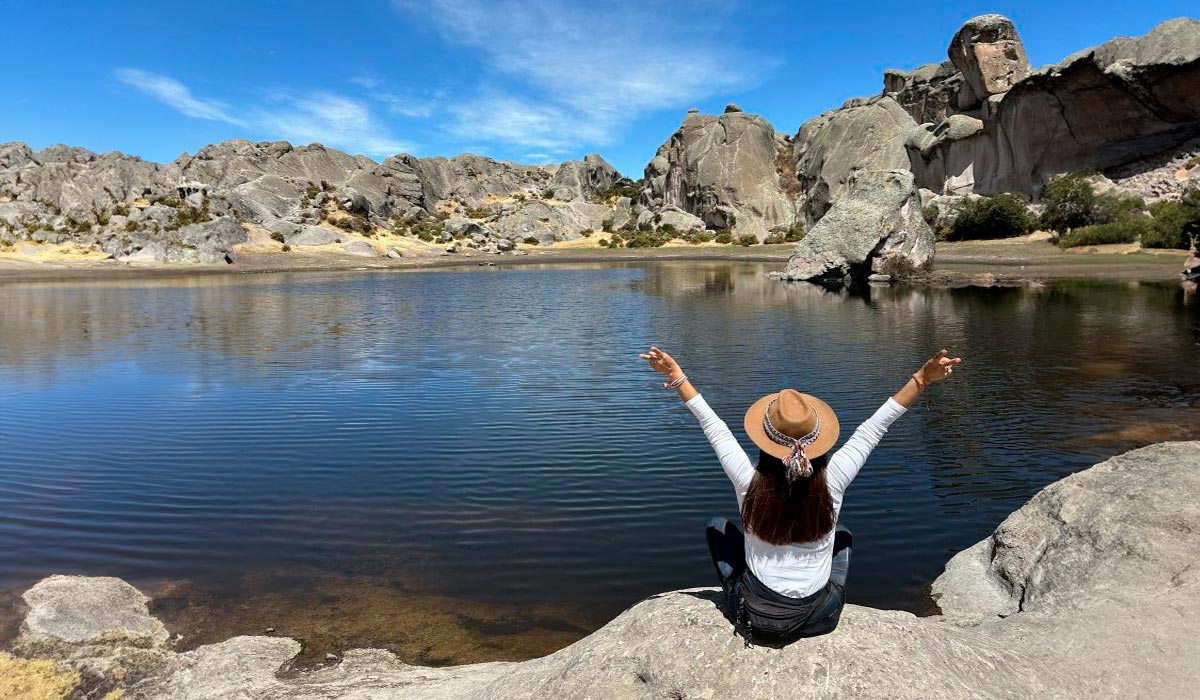
The best time to visit this enigmatic plateau is between the months of April and October. It is not advisable to go between the months of December to March, since it is the rainy season.
If you want to see the lagoons, it is not advisable to go in the months of July to October, as most of them will be dry.
Preparation is important for this journey. San Pedro de Casta is the last place to stock up on what you need. Once you leave for Marcahuasi, you will no longer find a place to shop. There are no tourist services on the way.
In this sense, you must take everything you will need. Food, water, warm clothes, medicines and, above all, a “four seasons” tent, if you plan to spend the night. It should not be a beach one, because if you spend the night in these types of tents, you will not be able to sleep because the temperatures drop to zero degrees Celsius.
If you are not used to heights, your body can feel the discomfort of soroche or altitude sickness. The symptoms are headache, nausea, vomiting, lack of appetite, fainting, vertigo, palpitations and concentration problems.
You do not want your trip to be clouded by this accumulation of discomforts. So that soroche does not affect you, we recommend the following:
Today, the Marcahuasi plateau lacks infrastructure and services for tourists, so travelers must carry the necessary equipment to spend the night in the place.
In the town of San Pedro de Casta you can find the following:
We recommend that you carry at least 4 liters of drinking water per person per day.
As for clothing, pay attention because it varies depending on the day and night. If you are going to spend the night on the Marcahuasi plateau, you must bring the following equipment, since the temperature at night drops to -5 °C.
Now, for the day walk you require the following:
Now that summer has arrived, Marcahuasi is the perfect place to practice adventure tourism. This is the best season to visit, since the sun is intense in the morning, while temperatures are cooler at night.
Dare to escape for a weekend and discover the wonders of a destination near Lima.
Summer is the best season to visit Marcahuasi, since the days are usually sunny and the nights are refreshing.
It is recommended to bring your own snacks and especially water, however, in the amphitheater, one of the favorite places for people to camp, you will occasionally find a food stall that offers soup, infusions and bread.
Peru offers unique experiences that show impressive landscapes, archaeological sites, and living traditions, attracting travelers who seek adventure and discovery in each region of the country. Get to know some of the most recommended trips to explore its diversity.
Inca Trail, Machu Picchu and more

 +51 84 226 547
 +51 912 891 560
 Av Tupac Amaru PP-10B, Santiago, Cusco, Peru
  info@salkantaytrekmachu.com
 www.salkantaytrekmachu.com


