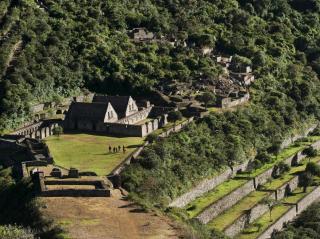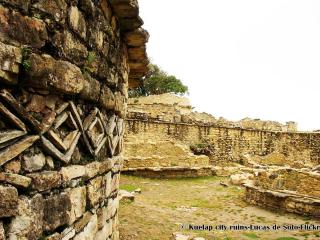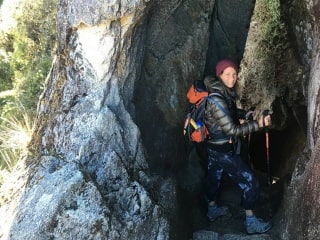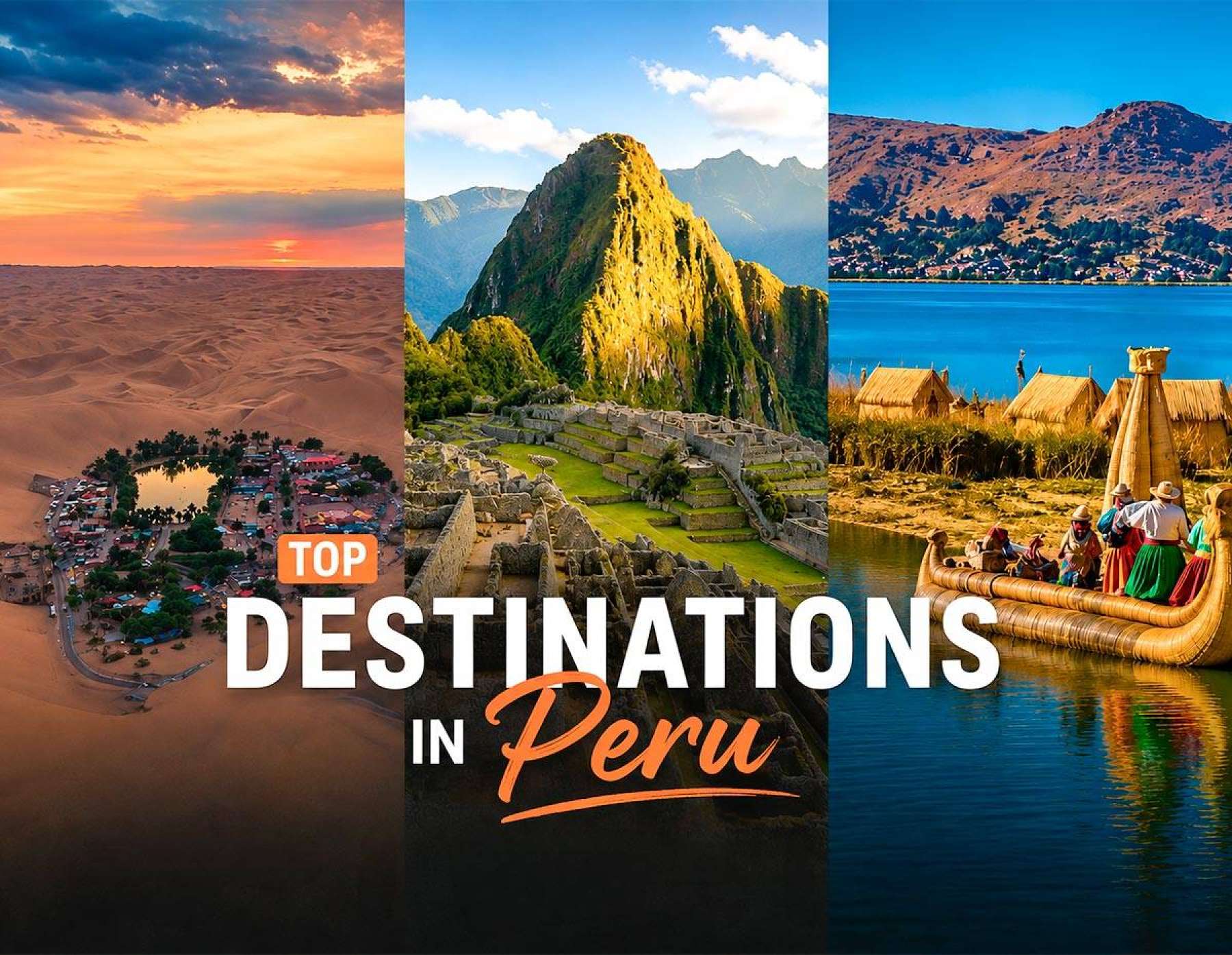
Peru brings together in a single country coastal deserts, Andean valleys, and the Amazon jungle, plus a history that combines pre-Inca cultures, the Inca empire, and three centuries of colonial heritage. This geographic variety explains why the country constantly appears among the favorite destinations of travelers, with places ranging from ancient citadels to colonial cities and nature reserves.
Choosing among the best destinations in Peru depends on the type of trip you are looking for: those who prioritize history usually focus on Cusco and the Sacred Valley; those looking for food and city life find it in Lima; and those who prefer natural landscapes have options like the Colca Canyon, Lake Titicaca, or the Amazon Rainforest. No travel plan covers the whole country in a single trip, so it is best to prioritize based on your interests and the time available.
In this article we will show you the most recommended destinations in Peru, along with practical information about the weather, currency, and getting around between areas.
Peru focuses its tourist offer in a few regions that, due to their historical or natural value, receive most of the visits: the Andean highlands, the coast, and the Amazon. Each one offers a different experience and, together, they form the route followed by most travelers arriving for the first time. Below, we present the best destinations in Peru, starting with Cusco, the most common starting point to get to know the country:
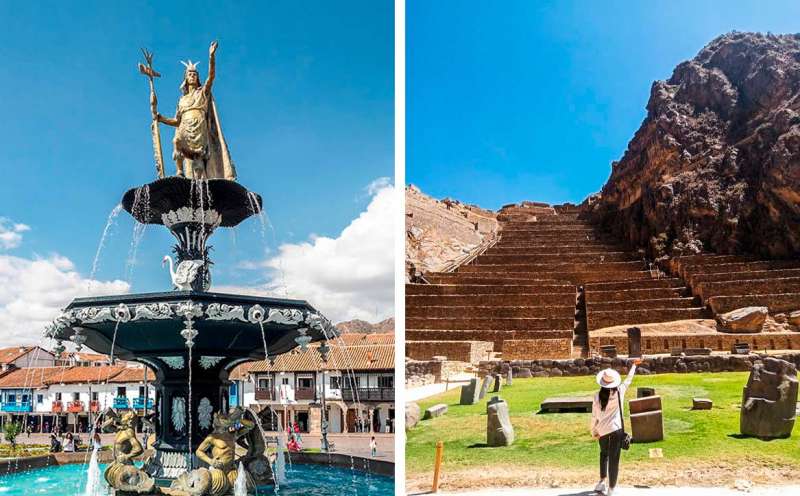
Cusco was the capital of the Tahuantinsuyo and today is the gateway to the Sacred Valley and Machu Picchu. Its historic center combines Inca buildings with colonial architecture, visible in several of its most visited spots:
From the city you can reach the Sacred Valley, a corridor of valleys and rivers where several of the archaeological sites are located, in the middle of communities that still practice farming techniques of pre-Hispanic origin. To enter most of these sites it is necessary to buy the Cusco tourist ticket.
Among the destinations you can visit are: Pisac, known for its craft market and for an archaeological complex with farming terraces built on the side of the hill. There is also Ollantaytambo, the Inca fortress and, at the same time, one of the few towns in the country where the original urban layout is kept almost intact. It is also the most common boarding point to Machu Picchu by train. Following the route, we will find Chinchero, the Andean town with an active textile market and archaeological remains next to a colonial church built on Inca foundations.
Finally, there are the 2 popular sites of the tour: Moray, with its circular terraces that would have worked as an Inca farming lab, due to the temperature differences between its levels, and the Maras Salt Mines, with more than three thousand salt pools in use since pre-Hispanic times, located near Moray.
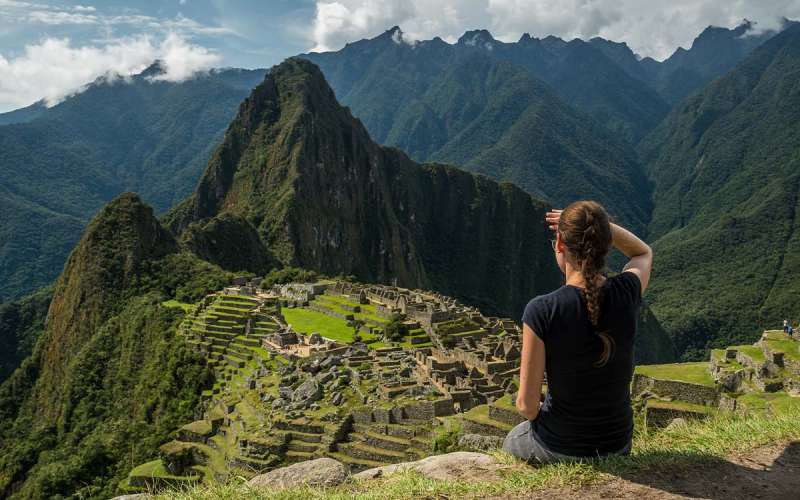
Machu Picchu is the best preserved Inca citadel in the country and the most recognized destination in Peru internationally, declared a World Heritage Site by UNESCO and one of the New Seven Wonders of the Modern World.
Facts about the Machu Picchu Citadel:
Entry to the citadel is only with a ticket and assigned time, and daily spots are limited, so it is recommended to buy it several weeks in advance, especially in high season (June-August).
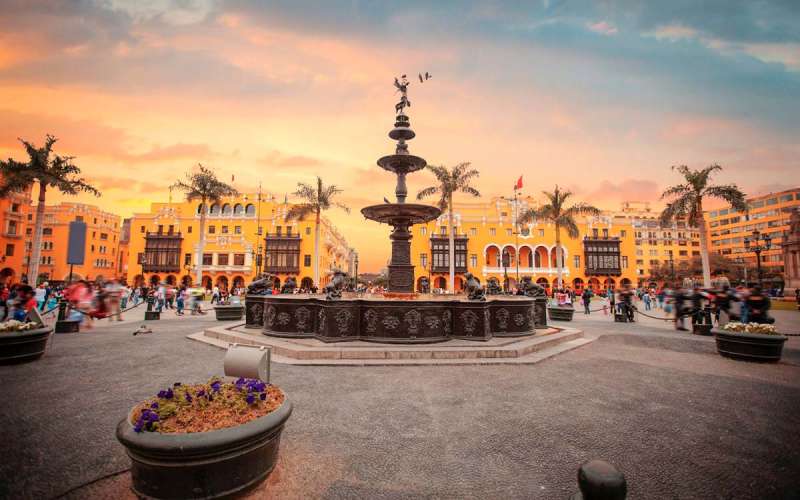
Lima is the most common entry point to the country and mixes a colonial historic center with an internationally known food scene.
In the historic center, declared a World Heritage Site by UNESCO, the highlights are:
Beyond the colonial center and its historic spots, other common tour destinations are Barranco, a bohemian neighborhood with republican houses and galleries next to the Bridge of Sighs; Miraflores, with its boardwalk on the cliff; and the Magic Water Circuit, a fountain park located in the city center.
On the other hand, in gastronomy, Lima has been recognized in several editions of the "World's 50 Best Restaurants" awards. Ceviche is its most typical dish, along with others of coastal roots like aji de gallina or lomo saltado. Miraflores and San Isidro also gather the highest density of highly famous restaurants in the city.
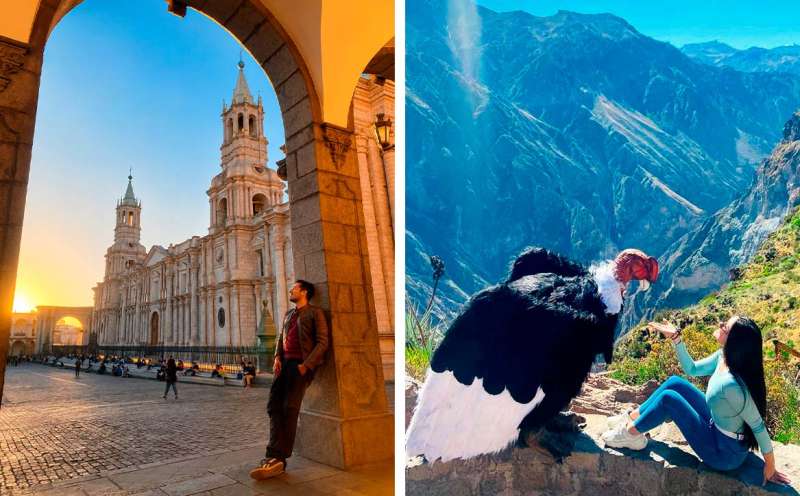
Arequipa, known as the "White City" for the volcanic stone used in its architecture, is the second most visited city in the south of the country and the usual starting point to the Colca Canyon.
In the historic center, also a World Heritage Site by UNESCO, the highlights are:
A little over three hours from the city is the Colca Canyon, one of the deepest in the world and declared a Global Geopark by UNESCO. Its main attractions are: Watching the Andean condor from viewpoints like the Condor Cross, usually in the early morning hours, the pre-Inca terraces that are still used for farming in the canyon towns and finally, the hot springs, present in several towns in the area as a resting option after the walks.
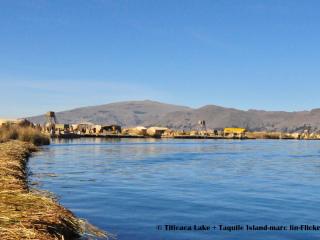
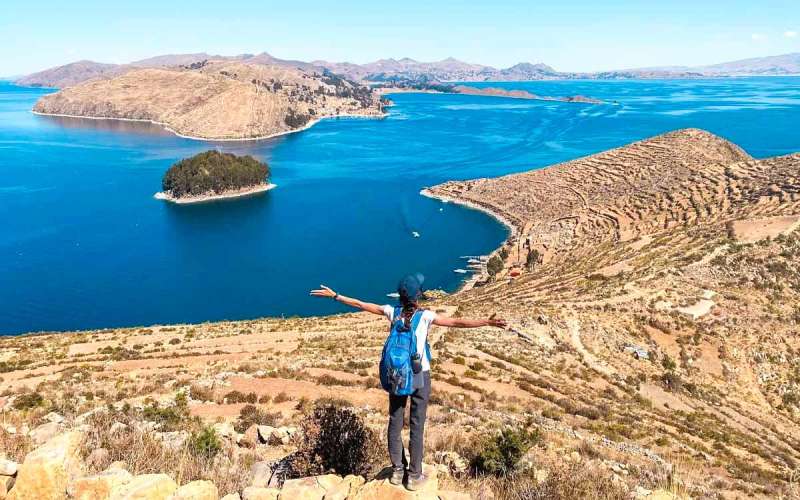
Puno is known as the folklore capital of Peru, a title that is seen in its calendar of festivals, among them the Festival of the Virgin of Candelaria, one of the biggest religious and dance celebrations in the country. The city is located at an altitude of more than 3,800 meters, on the shores of Lake Titicaca, the highest navigable lake in the world and shared at its southern end with Bolivia.
From the port of Puno you can reach the islands of the lake, each with a different way of life:
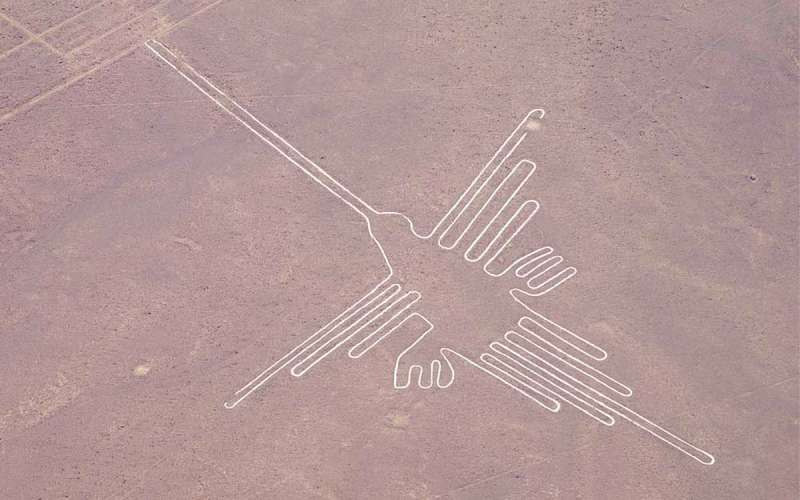
Nazca is mainly known for its lines, a group of designs drawn on the desert that show geometric shapes, animals, and plants, and whose exact purpose is still debated among researchers.
Key facts about the Nazca lines:
The most common way to see them is by taking a short plane flight of about 30 minutes, from which the main figures can be seen. There is also a viewing tower on land on the Pan-American Highway, from where only some of the closest figures can be seen, without the need for a flight.
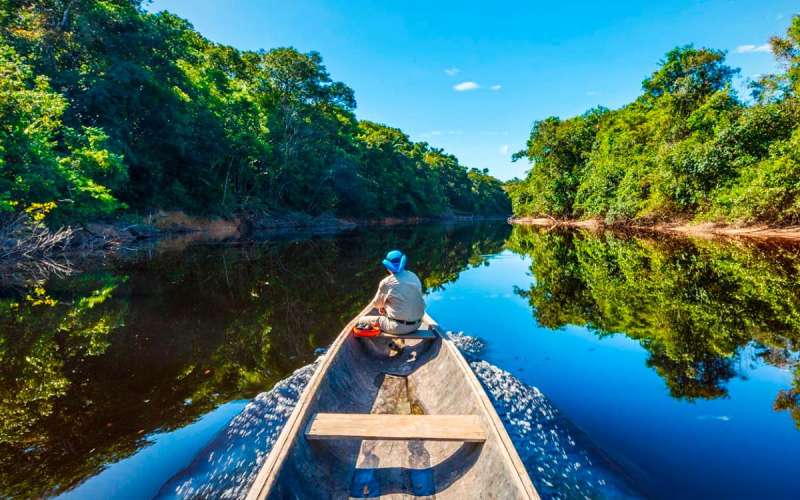
The Peruvian Amazon is mainly reached through two points: Iquitos, in the northern jungle, and Puerto Maldonado, in Madre de Dios (southern jungle). Iquitos has no road connection with the rest of the country and can only be reached by plane or river; Puerto Maldonado, on the other hand, is connected by the fully paved South Interoceanic Highway, besides having air access.
Iquitos is the largest city in the Peruvian Amazon and the only gateway to the Amazon River itself (the rivers of Madre de Dios are tributaries, not the Amazon). From here, tours are organized to:
Puerto Maldonado, in Madre de Dios, works as an important point to visit its two protected areas:
To visit either of these two reserves, it is mandatory to enter with a guide or agency authorized by SERNANP.
Along with the most established destinations, there are others that are gaining presence among travelers looking for options off the traditional path:
There is no single best time to travel to Peru, since the country has three different climates depending on the region. The most recommended time depends on the specific destination you want to visit, although generally April to November is the period with the least rain in the mountains and, therefore, the most popular to visit Cusco, the Sacred Valley and Machu Picchu.
Peru does not have a single climate, but three different patterns depending on the region, so it is a good idea to check the specific destination before setting travel dates:
The official currency of Peru is the sol (S/). The exchange rate against the dollar changes constantly, so it is recommended to check the daily rate from an updated source before the trip instead of using a fixed number. The dollar is accepted in some hotels and tourist shops, but for daily expenses it is better to have soles in cash, especially outside the main cities.
The distances between regions are larger than they look on the map, so the way to travel depends on the route:
As a general guide, a first trip of 10 to 14 days allows you to see Lima, Cusco, the Sacred Valley and Machu Picchu without spending most of the time traveling; adding destinations like Arequipa, Lake Titicaca or the Amazon Rainforest requires setting aside at least three or four extra days per area.
The destinations described in this article are not only supported by the thoughts of those who have already visited them, but they also appear often in the most popular international travel rankings.
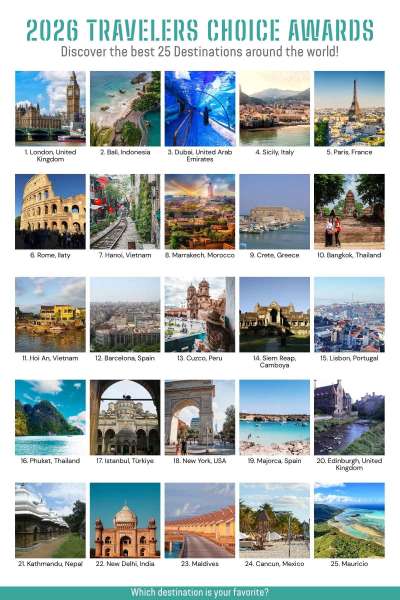
In the Travelers' Choice, Best of the Best by TripAdvisor, Cusco ranked 13th among the 25 best destinations in the world, recognized for its colonial architecture, its Andean culture and its closeness to the Machu Picchu sanctuary. The city was also highlighted among the favorite destinations for solo travelers, in a list where it shares the spotlight with Kathmandu, Bangkok and Osaka.
Peru, as a whole, is part of the "Best in Travel 2026" list by Lonely Planet, among the 25 most recommended places to visit next year. The guide highlights Machu Picchu, Lima, the Nazca lines, the Amazon and Arequipa as the points that support that choice, within a total of nine places in the country included for their mix of historical wealth and more sustainable tourism options.
These recognitions do not replace planning your own trip, but they do confirm that the destinations covered in this article (from Cusco to the Amazon) are among the most consistently recommended by both travelers and industry experts.
Beyond the majesty of Machu Picchu, the surroundings of Cusco offer a variety of experiences that allow you to get to know the culture, history, and landscapes of Andean Peru up close. From traditional towns to little-explored natural wonders, there is a lot to discover just a few kilometers from the imperial city. If you are looking for new adventures outside the usual, here we present the places you can't miss:
Inca Trail, Machu Picchu and more

 +51 84 226 547
 +51 912 891 560
 Av Tupac Amaru PP-10B, Santiago, Cusco, Peru
  info@salkantaytrekmachu.com
 www.salkantaytrekmachu.com