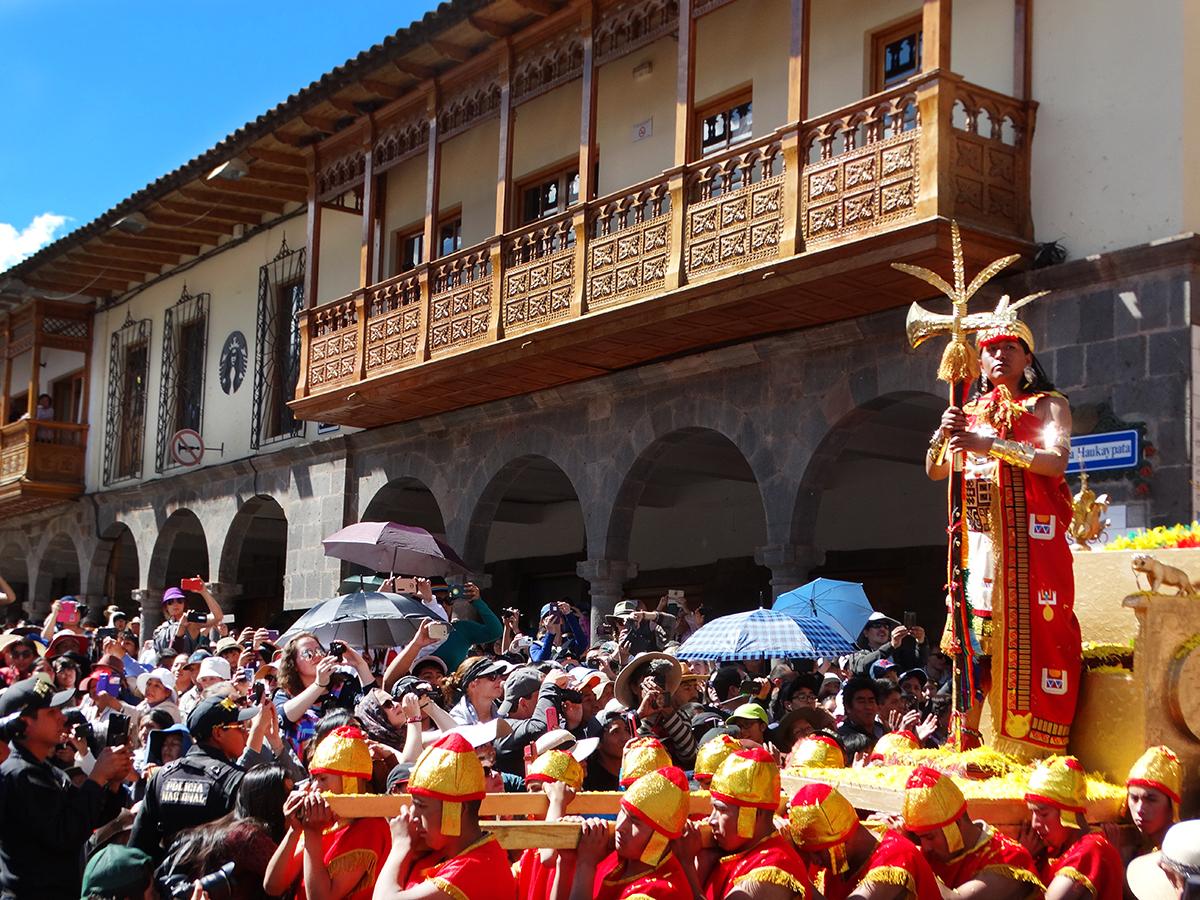
If you plan a visit to the heart of the Andes, the Inti Raymi 2027 is established as the most impressive cultural and folkloric event in all of South America. This majestic Sun Festival shows all its glory every 24th day of the sixth month of the year in the legendary city of Cusco, marking the start of the winter solstice in the southern hemisphere. The moment when the Incas renewed their pact with the god Inti and gave thanks for the light and life of the new solar cycle.
In its time of greatest glory, the Inti Raymi was the most important celebration of the Tahuantinsuyo. The whole population gathered in the ancient Huacaypata square to worship the Sun in a ceremony that was religious, social, and political at the same time. With the Spanish conquest, the Catholic Church ordered its suspension, and the festival disappeared from public spaces for several centuries.
Fortunately, the resistance of the Andean identity achieved a decisive victory in the mid-20th century, driven by a strong movement of indigenous appreciation, so that the recovery of this festival arrived in 1944. It was that year when a group of intellectuals and artists from Cusco, led by Humberto Vidal Unda, rescued the Inti Raymi from historical archives and presented it to the world as a large-scale theatrical play. Since then, with few exceptions, it is held every year, enriching itself with the anthropological and historical research that accompanies it.
Today the Inti Raymi is not a religious ceremony in the original sense, but its strength remains intact. For the people of Cusco it is a living expression of identity, memory, and pride. The whole show is performed in Quechua, with a translation into Spanish, which adds a layer of authenticity that is felt from the first words. Seeing it is not just attending an event, it is understanding, even for a moment, what it means to belong to a culture that did not give up.
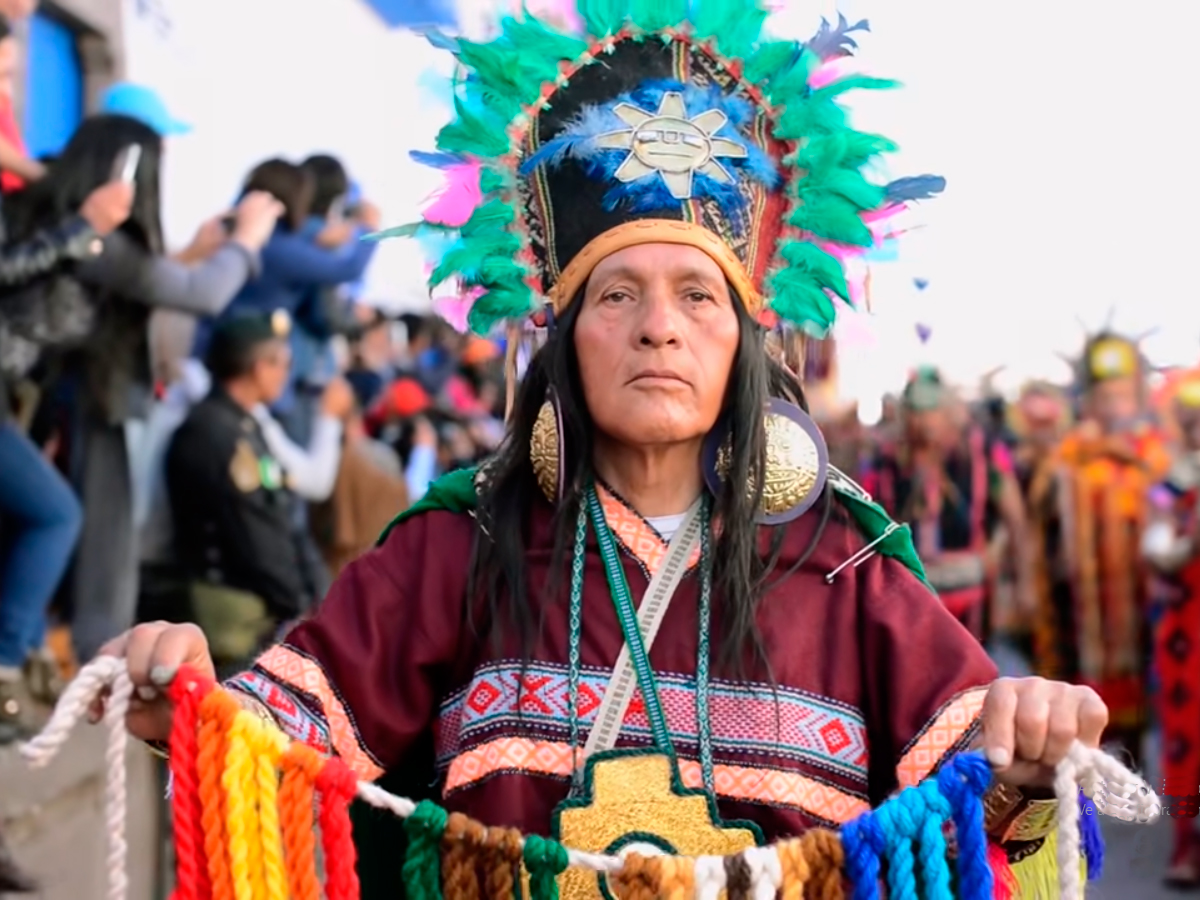
The Inti Raymi as we know it has a specific origin: the year 1412, when Pachacutec, the ninth Sapa Inca, decided that this celebration would take place every year during the winter solstice. We know this thanks to the chronicles of the Inca Garcilaso de la Vega, who documented in detail how this festival became the most important tribute of the empire to Inti, the sun god.
But the Inti Raymi Cusco was much more than the start of the Inca New Year. To understand its true weight, we must think about astronomy: the winter solstice is the moment when the sun is furthest from the earth. For the Incas, that was an alarm signal. The ceremony existed, in part, to "tie" the sun and beg it to return, thus preventing the cold from ruining the crops of the following year. The survival of the empire depended, literally, on the sun returning.
And unlike the current version, which lasts a single day, the original Inti Raymi lasted for nine full days of rituals and offerings. Nine days in which the whole city of Cusco stopped for this celebration. One of the most striking moments occurred when the Inca made his entrance into the Saqsayhuaman square, walking on flower petals while being escorted by the Pichaq, a group of priests whose task was literally to "clean" the path of negative spirits before the emperor passed.
Another central moment was the new fire ceremony. The Inca ordered all the fires in the city to be put out, and then, a completely new fire was lit that symbolized the start of a new cycle of life. That fire was then distributed throughout Cusco to relight the homes of the people, as a gesture of collective renewal.
When the Spanish arrived, they tried to end this tradition from the root. And although they succeeded for a while, the cult of the sun never really disappeared from the Andean memory. It stayed there, hidden, waiting. When it was finally recovered in 1944, the original nine days were concentrated into a single one, but the essence remained intact: today, that same ceremony continues to attract thousands of people from all over the world, almost six hundred years after Pachacutec established it for the first time.
Currently, every June 24th, the Sacsayhuaman esplanade becomes the stage for one of the most impressive ceremonies in the Andes. But before going, it is worth understanding something important: what you see today is a theatrical representation, organized by the Municipality of Cusco and the Ministry of Culture, with more than 700 actors on stage. The main act starts around noon and lasts about three hours, all in Quechua, with a Spanish translation so that no one misses any detail.
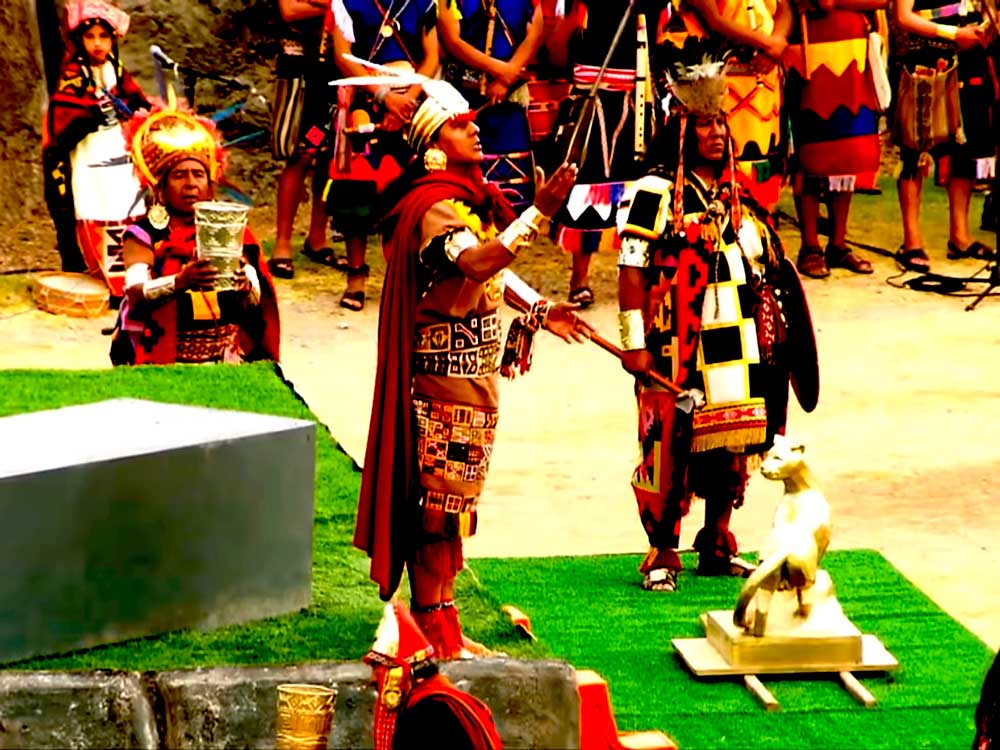
But, what was the original Inti Raymi like? According to historical records, the night before was a moment of absolute tension throughout the empire. All the fires of the Tahuantinsuyo were put out and the nobility gathered in the ancient square of Huacaypata. Many wore costumes that imitated wild animals and creatures from Andean mythology, and everyone waited in silence for the sunrise. When the sun finally came out, the whole people broke into celebration, thanking Inti for the light and for the year's harvests.
The most symbolic moment came when the Sapa Inca, together with his high priest, spoke directly to the sun right when it was at its furthest point from the earth, asking it to return with strength to protect the empire and make the land fertile. To seal this pact, they lit a new fire using a concave gold bracelet that focused the sun's rays on virgin cotton until it caught fire. That sacred fire was later taken to the Qoricancha, where it remained under the permanent care of the Acllas, the women dedicated to the solar cult.
The original ceremony ended with the sacrifice of a llama, whose insides were read by the priests to predict what the following year would be like. After that came whole days of celebration and military marches. Today, that moment is represented in a completely symbolic way: no animal is sacrificed, but the gesture is kept as a way to honor the memory of that ancient ritual.
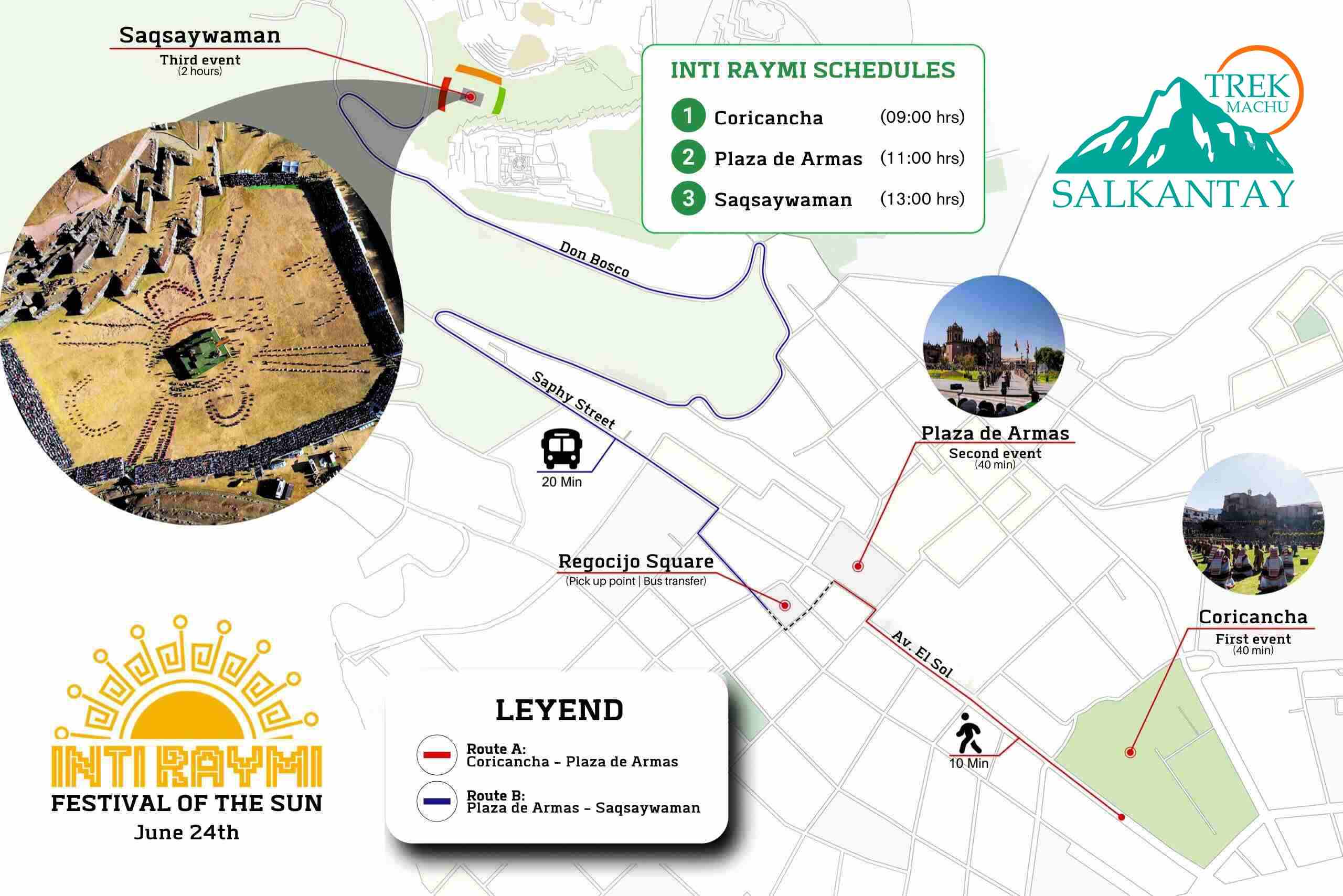
The Inti Raymi 2027 takes place in three different places in the city of Cusco, each with its own moment and its own energy. Here we explain what to expect in each one so you can plan your day well:
Truly experiencing the Inti Raymi goes beyond seeing the show, it is understanding what is happening in front of you. Traveling to Cusco at this time of the year gives you the chance to see the rituals, the traditional clothing, and the complete dynamic of the celebration, all that without mentioning how well you eat in Cusco Peru between one scene and another.
Something worth knowing before going: the whole ceremony is done in Quechua, the original language of the empire. Knowing some key words will help you understand much better what you are seeing, beyond the translation. Here are some of the most important ones:
Knowing these words is not just a fun fact, it helps you connect in a more real way with what you are seeing, and to understand that behind every gesture and every song there are centuries of history that are still alive today.
Traveling to Cusco for the Inti Raymi 2027 is one of those experiences that no history book can replicate. Furthermore, it is not just another show, it is one of the biggest cultural festivals in all of South America. Every year, the city receives more than 100,000 visitors during this season, and the local community gives its all so that each ritual keeps its authenticity and its original strength.
But the interesting thing is that the celebration does not stay only in Sacsayhuaman. During the main week of the Cusco festivities, known as the "Cusco Week", the whole city transforms. The streets are filled with fairs, music in every square, traditional food everywhere, and parallel events as striking as the celebration of the Q'eswachaka bridge. It is practically impossible to get bored on those days.
And the best part is that this experience adapts to any type of traveler. If you travel alone, the festive atmosphere of the city is perfect to meet people from all over the world. If you go as a couple, the cobblestone streets and ancient songs create an almost magical environment. And if you travel as a family, both adults and children are equally fascinated by the visual strength of the show and everything behind it.
For those who enjoy photography, this is one of the most photogenic events in the country, full of intense colors, handmade traditional clothing, and an energy that is felt in every corner. And for history lovers, witnessing the Inti Raymi is something even more special: it is seeing, faithfully recreated, a ritual that supported an entire empire more than six hundred years ago.
If you already have in mind to go to the Inti Raymi 2027, the first thing is to plan ahead of time. It is one of the most requested cultural events on the continent, so hotels and flights sell out fast. Booking in advance is not optional, it is almost mandatory.
Another key topic: the altitude. Cusco is at 3,400 meters above sea level, and that hits hard for many people who are not used to it. The ideal thing is to arrive at least two days before the event and avoid intense physical effort during the first day, to give your body time to adapt. Believe me, altitude sickness on the day of the Inti Raymi is something you want to avoid at all costs.
Access to the 2 stages: the Qoricancha and the Main Square, are free, but to enter Sacsayhuaman you need a ticket. Always buy it through official channels or authorized agencies, never with informal resellers, and if you can, choose the VIP zone to have a better view. Also, it is worth hiring a certified local guide, as it helps you understand what you are seeing at all times, instead of just observing without context.
As for clothing, remember that this season marks the start of the Andean winter. The days can be sunny, but as soon as the sun hides, the temperature drops fast. The best thing is to dress in layers, wear a wide-brimmed hat, and use sunscreen. And something important: although it is a visually impressive show, it is still a sacred event for local people, so it is worth living it with respect toward the artists and the tradition they represent.
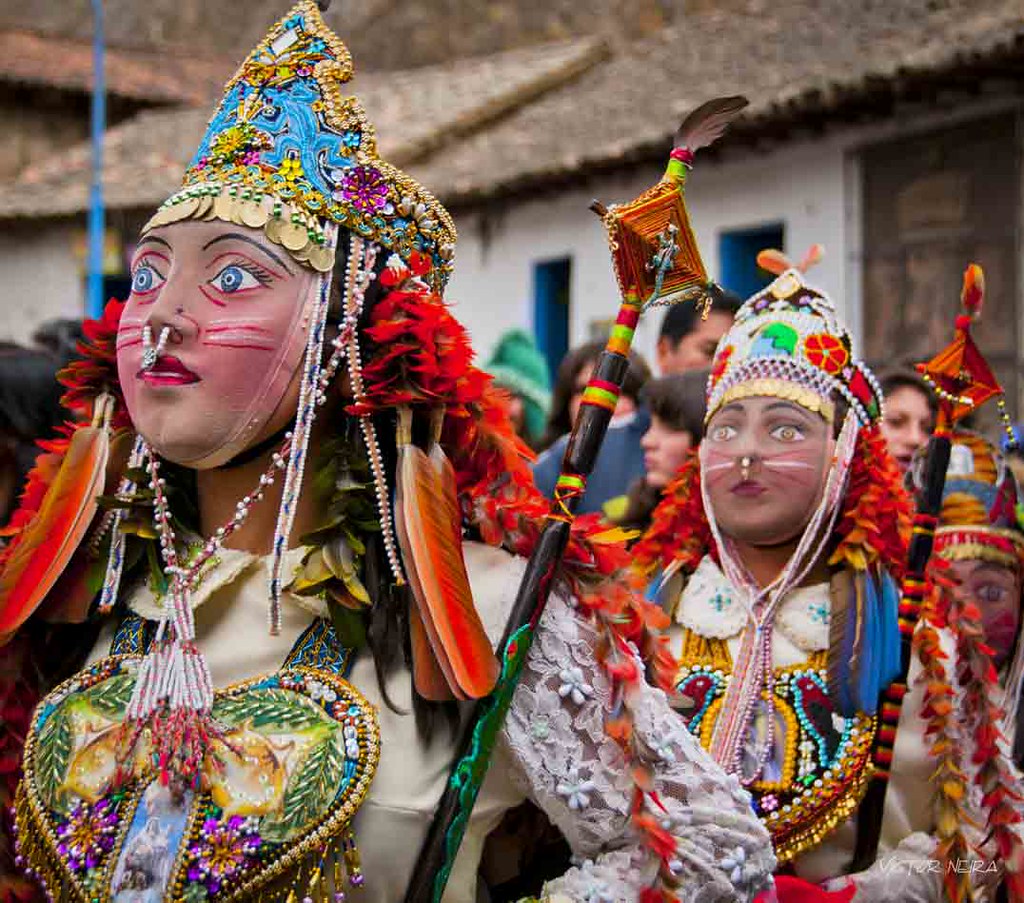
Inti Raymi is a Quechua word that means 'Sun Feast', the most important feast for the ancient Cusco, the capital of Tahuantinsuyo. In all the winter solstices (between June 20 and 23) the Inca performed a ritual in honor of the sun, the highest divinity in the Tahuantinsuyo. Formerly he was known as Wawa Inti Raymi.
Pachacutec, who ordered the construction of Machu Picchu, began this religious-cultural tradition in the 15th century. According to the Andean cosmovision, at that time the sun was starting its cycle again. Since 1944, this tradition was reinstated in Cusco. Today, it is one of the most important celebrations in Peru. Its celebration includes dances, performances, typical costumes, and a series of ideal activities if you are visiting the city of Cusco.
Going back to the history of Peru, specifically of the Incas, the Inti Raymi or Sun Feast was a celebration to worship the maximum god in the Tahuantinsuyo. The Sun God, today this feast that revalues the Inca tradition in the regions of the Andes, especially in the city of Cusco Peru, is celebrated every 24th of June. This festival is based on the ancient Inca ceremony known as the Wawa Inti Raymi. This ancient ritual was established by Pachacutec as we said before. The objective was to reorganize the empire with the cultural subjugation of the conquered peoples. With the passage of time, this ceremony was banned by the Spanish conquerors. Since 1944, the city of Cusco celebrates this feast as a vindication of the Inca culture. Although this festival is also celebrated in Ecuador and other Andean regions; Today is one of the main festivities of Peru.
After 60 years, this unique festival became part of the tradition in the city of Cusco. Today, its main characteristic is the colorful representation and history of the ancient Wawa Inti Raymi ceremony. This staging is performed by hundreds of actors wearing typical Inca clothing. The main role is held by the high priest Willaq Umo, the Inca nobility, the Inca and his wife the coya. In addition there are personifications of the retinue of the Inca, their delegates of the four of theirs or corners of the Tahuantinsuyo. This staging lasts 1 day, in which the whole 'Imperial City' lives with joy the Sun Feast.
On June 24 of each year, Cusco celebrates the Inti Raymi. This date is due to the fact that it coincides with the Day of the Peasant. In Cusco, that date was declared a holiday. June is considered the jubilee month of Cusco, not only for the celebration of this festival but also for the famous Corpus Christi.
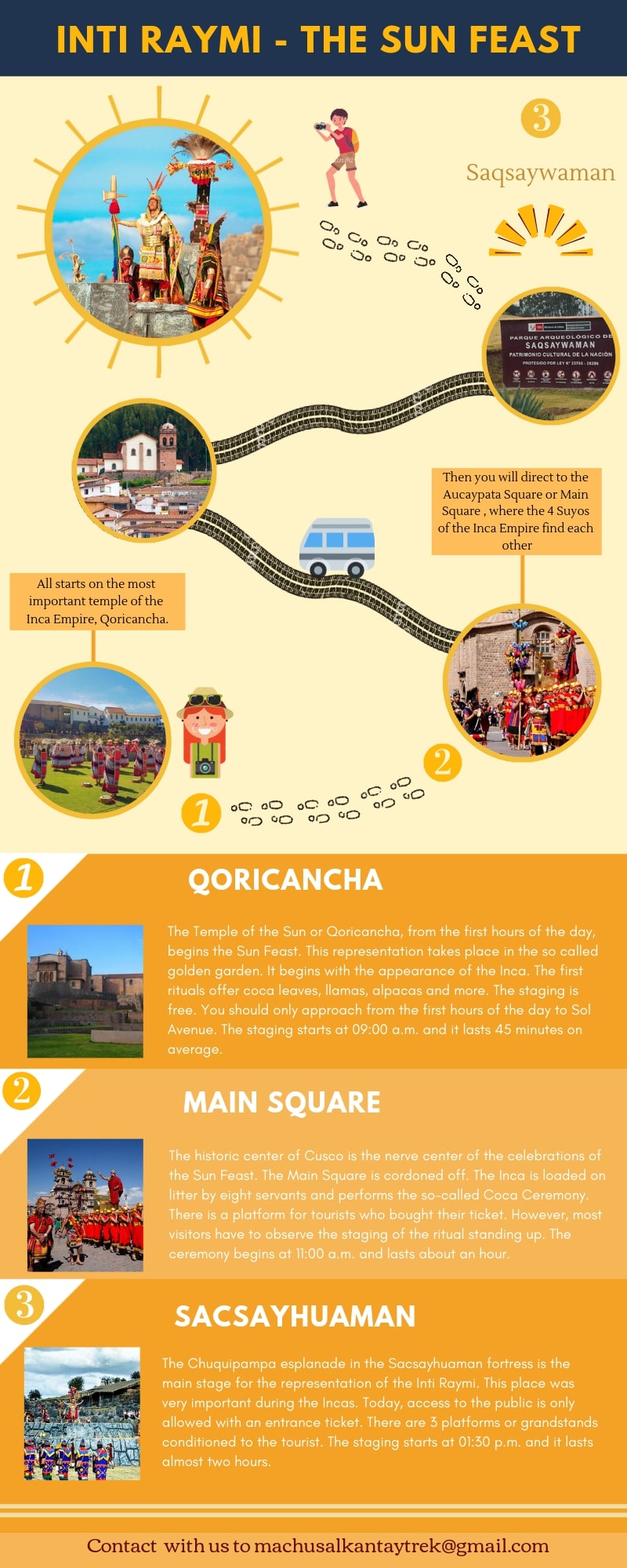
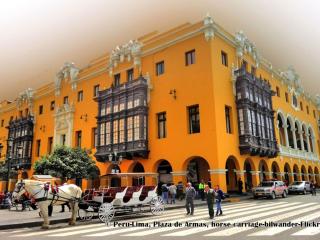
The Inti Raymi 2027 will be held on June 24 in the city of Cusco. As every year, the celebrations will begin in the Qoricancha or Temple of the Sun. Then it will continue in the Main Square, also known as the 'Warrior Square o Aucaypata'. Finally, the ceremony will conclude in Sacsayhuaman. The main character will be the Inca Pachacutec and will be in charge of a proffesional Cusco actor. The role of his wife or coya will be in charge of a cusquenian actress too. The objective is to revalue the culture of the Inca ancestors as well as motivate tourists to visit Peru. This year the participation of more than 700 artists on stage and more than 100 thousand spectators among tourists and locals is expected.
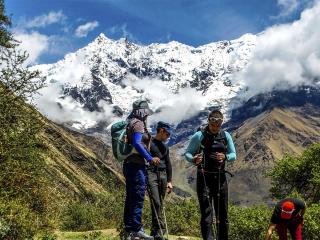
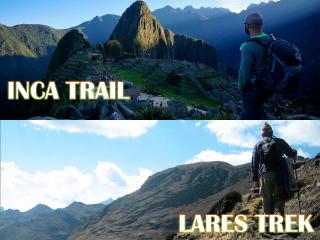
If you are planning your trip to Cusco on June, we have good notices!!!, there are many treks, tours or adventure experiences that you can take with us. To start we have to mention one of our best package, why? It only not includes Inti Raymi, also the most famous and incredible hike to Machu Picchu, the Inca Trail, the Salkantay Trek, so imagine this route that start celebrating Inti Raymi to experience Inca Trail!! But wait, we must said you that is highly recommended to make a booking 6 moths before your trip because Inca Trail permits are so limited. If you didn't book it on time, don't worry, here another option that includes a visit through the fantastic route : Sacred Valley, Inti Raymi and Machu Picchu
Not many time? Here the option: Inti Raymi Festival.
Staying only with the Inti Raymi would be wasting the moment. After seeing this celebration in Sacsayhuaman, the most natural thing is to keep exploring: the Inca Trail or the Salkantay route are excellent options for those looking for something more physical. And since you will already be used to the altitude, it is the perfect time to visit Machu Picchu or travel the Sacred Valley. Combining all this turns your trip into a much more complete experience, not just a festival, but a real journey through the heart of the Andes.
Salkantay Trek Machu offers a quality service for Inca Trail tours, Salkantay Trek tours or Peru trekking holidays for you!. Choose the best trail and tours to Peru or contact with our Tailor Made Trip department

 +51 84 226 547
 +51 912 891 560
 Av Tupac Amaru PP-10B, Santiago, Cusco, Peru
  info@salkantaytrekmachu.com
 www.salkantaytrekmachu.com