
The Qenqo archaeological complex (often spelled Kenko), situated at a breathtaking elevation of 3,580 meters (11,745 feet) above sea level, stands as one of the most significant and enigmatic Inca ruins near Cusco. Conveniently located just four kilometers (2.5 miles) from the city's historic center, Qenqo is a must-visit destination and an essential stop on the traditional Cusco City Tour. It shares a popular travel route with other remarkable nearby archaeological sites, including the monumental Sacsayhuaman fortress, the water temple of Tambomachay and the red fortress of Puca Pucara.
Beyond its strategic location, the intricate stone remains and uniquely carved limestone rock formations at Qenqo reveal its profound purpose as a strictly ceremonial and religious space during the height of the mighty Inca Empire. Despite the tragic wear and deliberate destruction its structures suffered during the Spanish colonial era, the surviving architecture gives visitors a fascinating glimpse into the past. Historical and archaeological evidence indicates that this sacred site was specifically designed for the worship of the guiding natural elements central to the Andean worldview: the sun (Inti), the moon (Quilla), the sacred mountains (Apus), and the earth mother (Pachamama).
In the comprehensive guide below, we delve deep into the historical background, architectural details, and technical information of this extraordinary Inca ceremonial center. We will explore the key facts and archaeological mysteries that allow us to fully understand Qenqo's unique labyrinthine design, its spiritual function, and its enduring cultural importance in the history of Peru.
Its name in Quechua means "labyrinth," likely referring to the underground labyrinthine galleries or the zigzagging rock channels. During the Spanish era, Qenqo was used as an amphitheater because of its semi-circular design. Today, however, the true function of this place is not known.
The Qenqo ruins, a tourist attraction, are located on the Socorro hill, four kilometers from the city of Cusco. Nearby, you will also find the ruins of Sacsayhuaman, Tambomachay and Puca Pucara, as well as other Incan archaeological sites.
At 3,580 meters above sea level, Qenqo is believed to have been a place where the Inca gods, such as the sun, the moon, the mountains, and Pachamama, were worshiped.
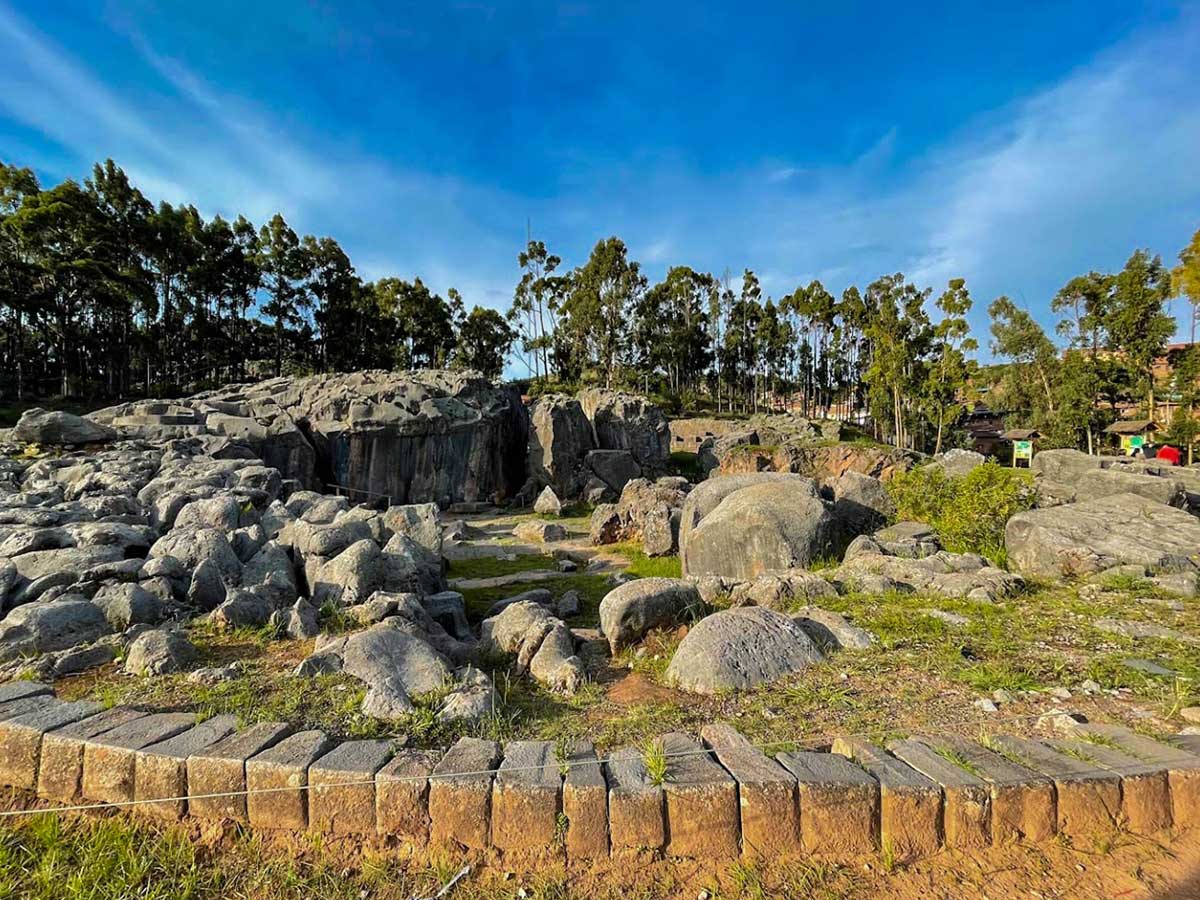
First, the Qenqo archaeological complex is notable for its unique building technique. Unlike other sites, most of its structures were not built with loose blocks; rather, they were carved directly into a natural limestone rock formation. Additionally, the solid stone base is adorned with traditional Inca stone walls on the outside.
Because of its clear role as a religious center, the place faced constant attempts at destruction during colonial times. However, its strong, carved stone composition enabled it to withstand being dismantled. In addition to its durability, guides and historians have identified images on the surface of the main rock that are linked to the Andean worldview. These images highlight the presence of the three sacred animals: the condor (representing the upper world, or Hanan Pacha), the puma (representing the earthly world, or Kay Pacha), and the snake (representing the underworld, or Uku Pacha).
Geographically, the site is divided into two areas: Qenqo Grande, the main and largest rock formation, and Qenqo Chico, a smaller, carved rock outcrop located a few meters away. The complete design of this ceremonial center consists of the following specific areas:
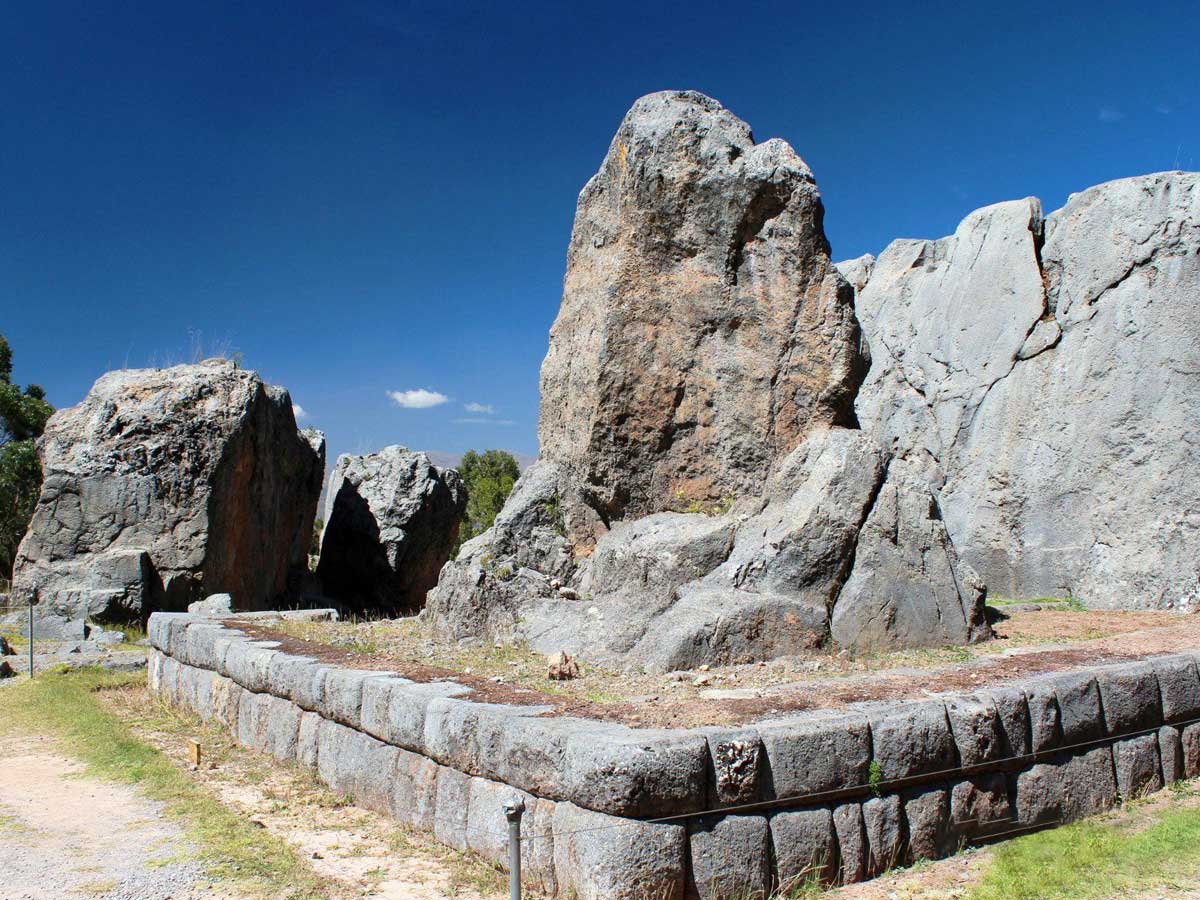
1. The Carved Stone:
This huge rocky building has peculiar carvings and side stairs that lead to the summit.
2. Intihuatana and Astronomical Observatory:
It is a polished rock with two small, precisely carved cylinders. The Intihuatana is believed to have been an astronomical observatory. The Amautas, the wise men of Inca times, used it to measure time, establish the seasons, and determine the solstices and equinoxes. It was also used as a shrine to worship the Sun, the Moon, Venus, and the stars.
3. The Amphitheater:
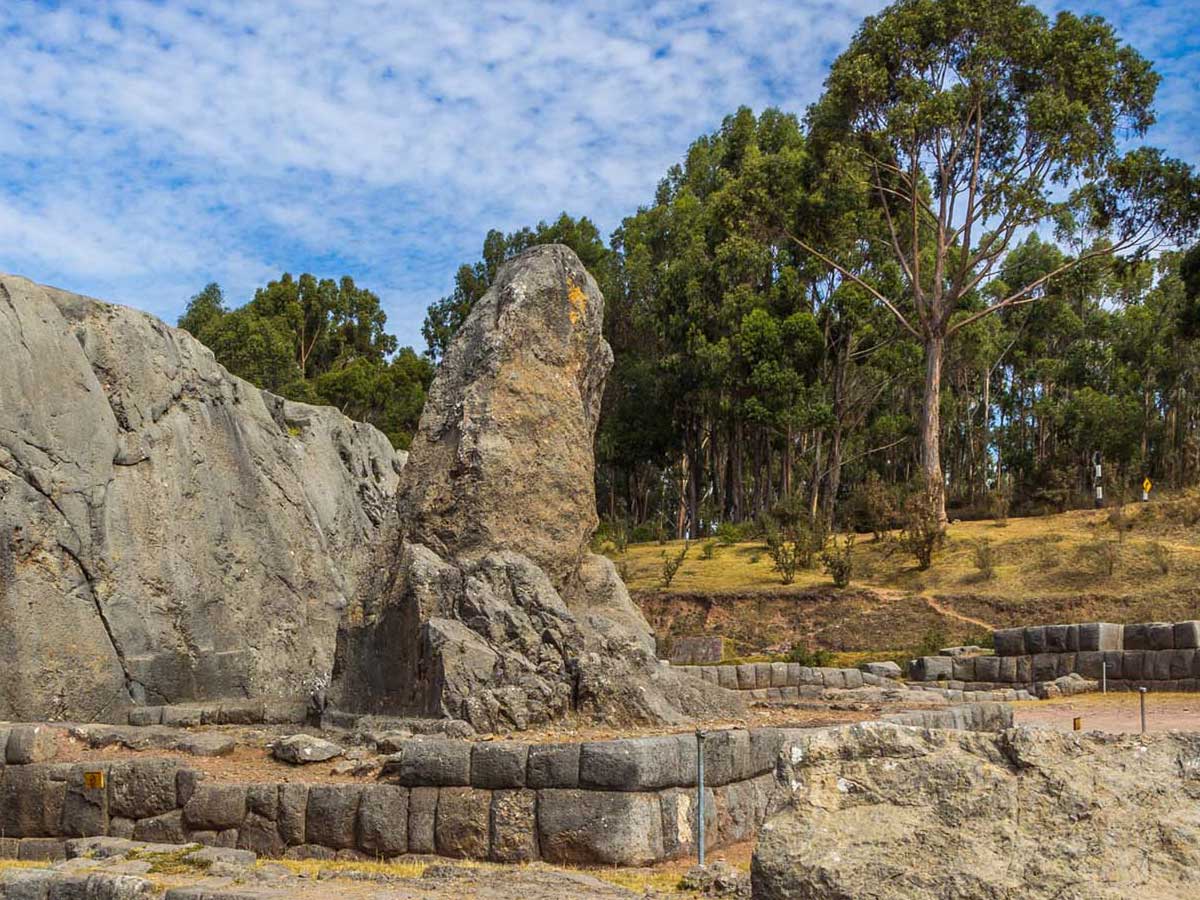
It is an amphitheater that was used during the Inca Empire to carry out public ceremonies. At the top of the amphitheater, there is a large stone block, six meters high, resting on a rectangular pedestal.
According to recent research, it is likely that the bases of a great wall located on each side were a representation of an entity they worshiped.
4. The Underground Chamber:
It is a stone structure carved into the ground. Religious rituals were held there. Service rooms are located in the immediate vicinity. It also has a drainage system for rainwater.
5. The sacrificial room:
Inside the underground chamber, there is a ceremonial table where embalming the dead or animal sacrifices for religious purposes may have been carried out. It is one of the most mysterious and popular structures in Qenqo.
6. The Mortuary Room:
This underground chamber could have been used to dry apricots, and human and animal sacrifices may have been performed there as well.
7. Cusilluchayoc:
Located 500 meters east of Qenqo Grande, it comprises a two-meter-high carved stone in the shape of a toad, as well as reliefs of serpents and monkeys. Its name is a Quechua word meaning "temple of monkeys."
It is a set of semi-destroyed buildings and platforms. You can still make out the remains of high walls, a circular urban layout, and several rock formations in the shape of random figures.
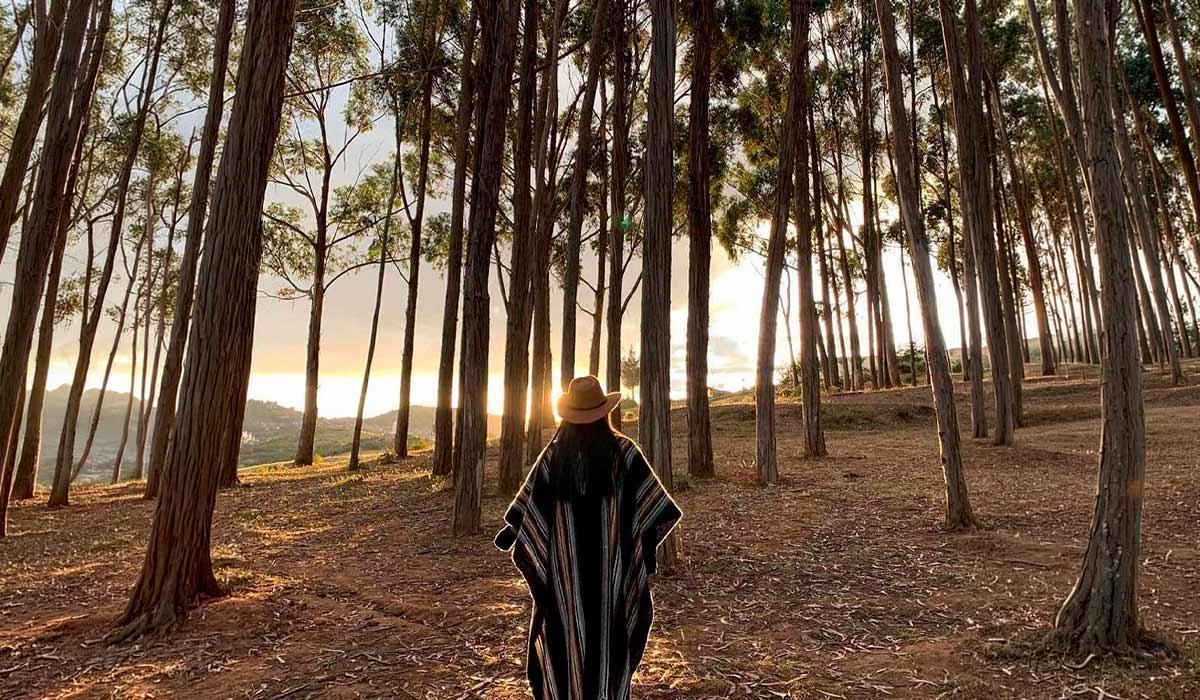
Just a few meters from the archaeological complex lies the Qenqo Forest, a natural area. This free, open space has become an additional point of interest for visitors, especially those looking to take landscape photos, due to the height and density of its vegetation.
The area consists of a large eucalyptus tree plantation. However, it is important to note that, since eucalyptus was introduced to the Andes in modern times, this forest is not part of the original Inca design. Similarly, although the Qenqo archeological center is protected under the city of Cusco's UNESCO World Heritage Site designation, this designation strictly acknowledges the site's stone architecture and ancient historical value, not the modern forest formation.
There are several ways to get to Qenqo:
The facility is open to the public from 7:00 a.m. to 6:00 p.m. daily, with no exceptions.
1. How can I get there on my own?
You can take public transportation from the Rosaspata stop. The trip costs only one Peruvian sol per person. You can also walk from the city's Plaza de Armas. The most expensive option is to take a taxi.
2. What are some other archaeological sites to visit in the city of Cusco?
Cusco is home to several Inca archaeological sites of great historical importance. Besides Qenqo, tourists can visit: Sacsayhuamán, Coricancha, Pucapucara, and Tambomachay.
3. What should I bring on my visit?
Bring a rain poncho, as it can rain at any time, as well as a hat, sunscreen, comfortable clothing, and good shoes. Of course, don't forget to bring snacks, rehydration water, extra cash, and your identification documents.
4. Is it very cold in Qenqo?
Qenqo is high up, so the cold and wind can be unpleasant. However, the archaeological site is open from 8 a.m. to 5 p.m., when the sun's rays temper the temperature. The average temperature is 13°C.
5. Can I get altitude sickness?
Tourists can experience some of the symptoms of altitude sickness, such as nausea, fatigue, and agitation during physical activity, not only in Qenqo but in all of Cusco. To reduce these symptoms, it is advisable to drink plenty of water and avoid fatty foods. Likewise, altitude sickness disappears progressively after one or two days of acclimatization.
6. How can I travel cheaply?
The best way to visit Qenqo on a budget is to purchase the Cusco Tourist Ticket and take public transportation to Qenqo and the other tourist attractions included in the ticket.
7. When is the best time to go?
The dry season (April to October) is the best time to visit Qenqo and Cusco. Rain is unlikely during this time, which improves the experience. Keep in mind that the rainy season occurs from November to March.
Salkantay Trek Machu Picchu offers a remarkable Salkantay Trek experience. You can choose the best time to hike and then plan your trip according to the availability of our easy booking option.
We guarantee 100% departures on all hikes because we aim to provide the best experience. However, tickets for the train and for visiting Huayna Picchu Mountain are limited. Therefore, we recommend booking your experience in advance to ensure you have the desired experience.
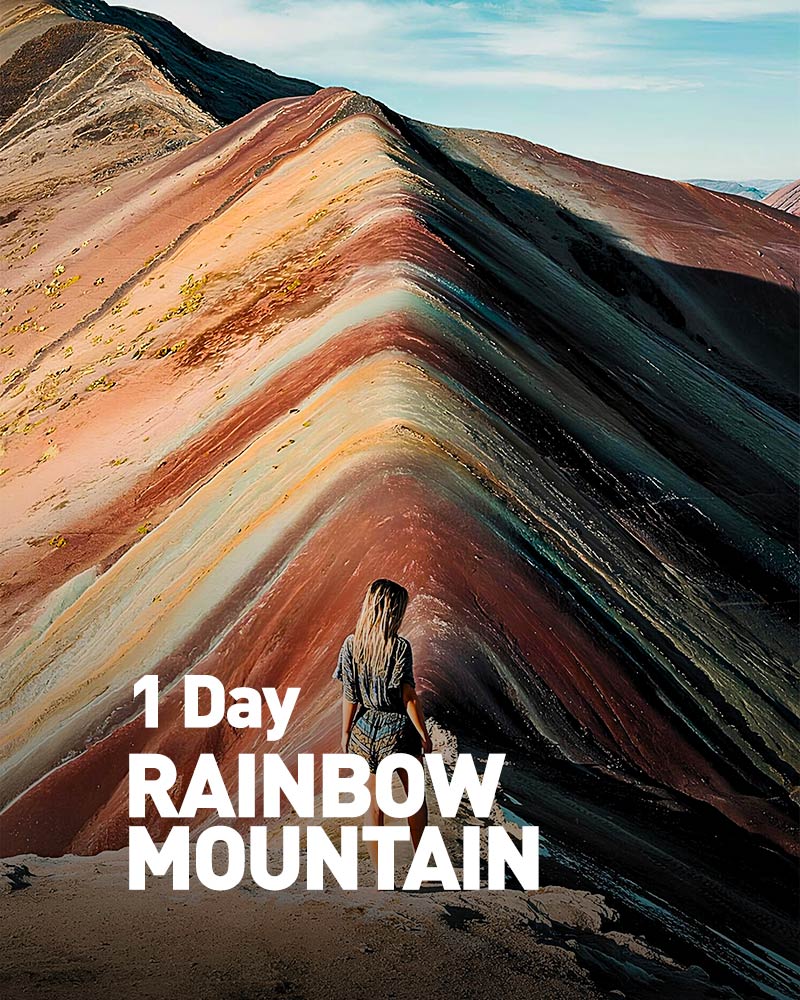
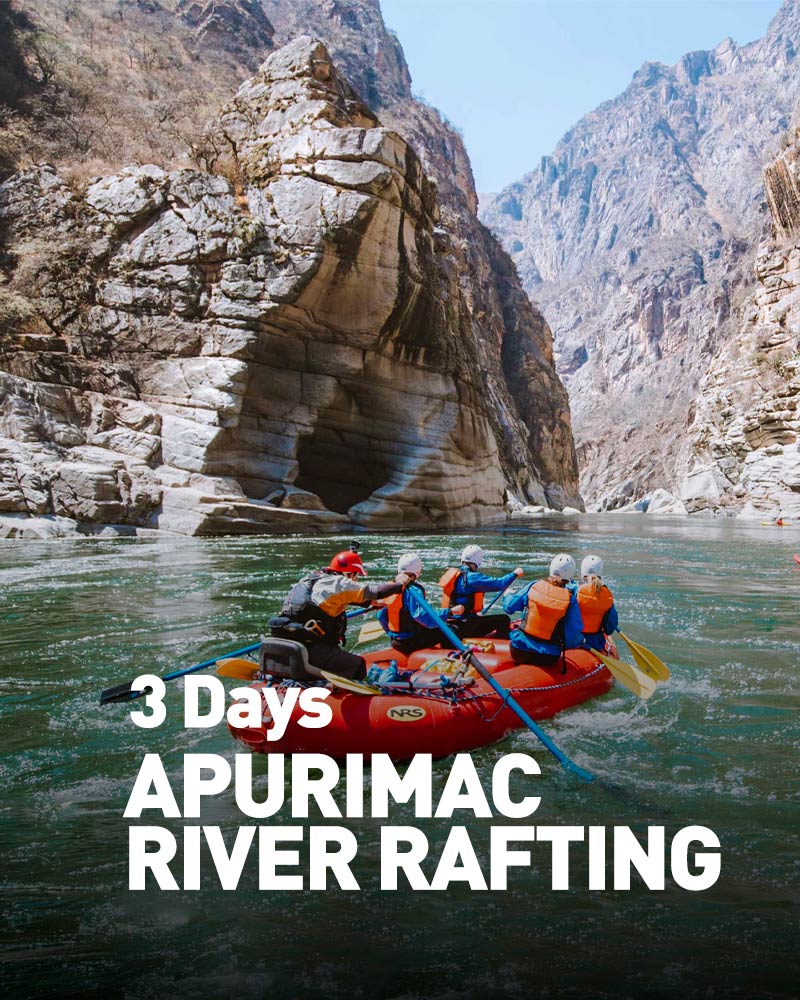
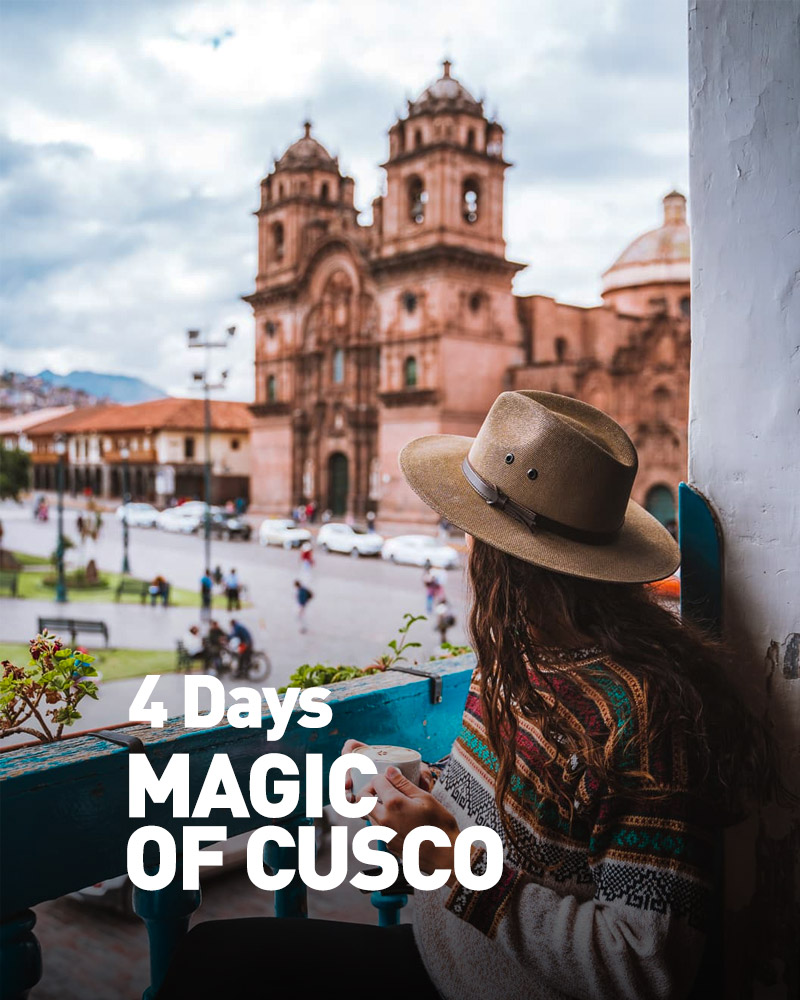
Beyond the iconic Machu Picchu, one of the seven wonders of the world, the areas around Cusco offer many experiences that allow you to learn about Andean Peruvian culture, history, and landscapes. From ancient towns to stunning natural wonders, there is so much to discover just a few kilometers from the imperial city. If you're looking for unique adventures, here are three places you must see:
 |  |  |

 +51 84 226 547
 +51 912 891 560
 Av Tupac Amaru PP-10B, Santiago, Cusco, Peru
  info@salkantaytrekmachu.com
 www.salkantaytrekmachu.com


