
Are you planning your trip to the Inca citadel of Machu Picchu? Then keep these important tips in mind before your visit. This article brings together the most common concerns travelers have when organizing their vacations in Cusco, such as: How and when should I buy the tickets? Which months are ideal to visit the citadel? What can I bring? How to prevent altitude sickness? and other questions.
The goal is to make your experience easier, whether you decide to travel the legendary Inca Trail or reach the sanctuary by walking along the train tracks from Hidroeléctrica or through an alternative route like the Salkantay trek.
Below, we present the key points designed to guide those looking to optimize their budget and time without sacrificing the quality of their visit. These tips cover everything from transport logistics to entry requirements, ensuring that your arrival at the citadel is smooth and free of setbacks. With proper planning, you will be able to enjoy one of the wonders of the world with total peace of mind.
Generally, if you are a Latin American, North American, or European citizen, you will not need a visa to enter the country. Citizens of Mercosur member countries can enter Peru simply by carrying their national ID card or a valid passport.
If you do not belong to a Mercosur country, it is essential to have a valid passport. In some special cases, depending on your country of origin, you might require a tourist visa, so it is recommended to check the current rules at the Peruvian consulate in your area before traveling.
In the case of minors, they must travel with their parents. If only one parent travels with the minor, documentation proving the relationship will be required, such as a birth certificate or marriage certificate, as well as the corresponding notarized travel permits according to the laws of their country of origin.
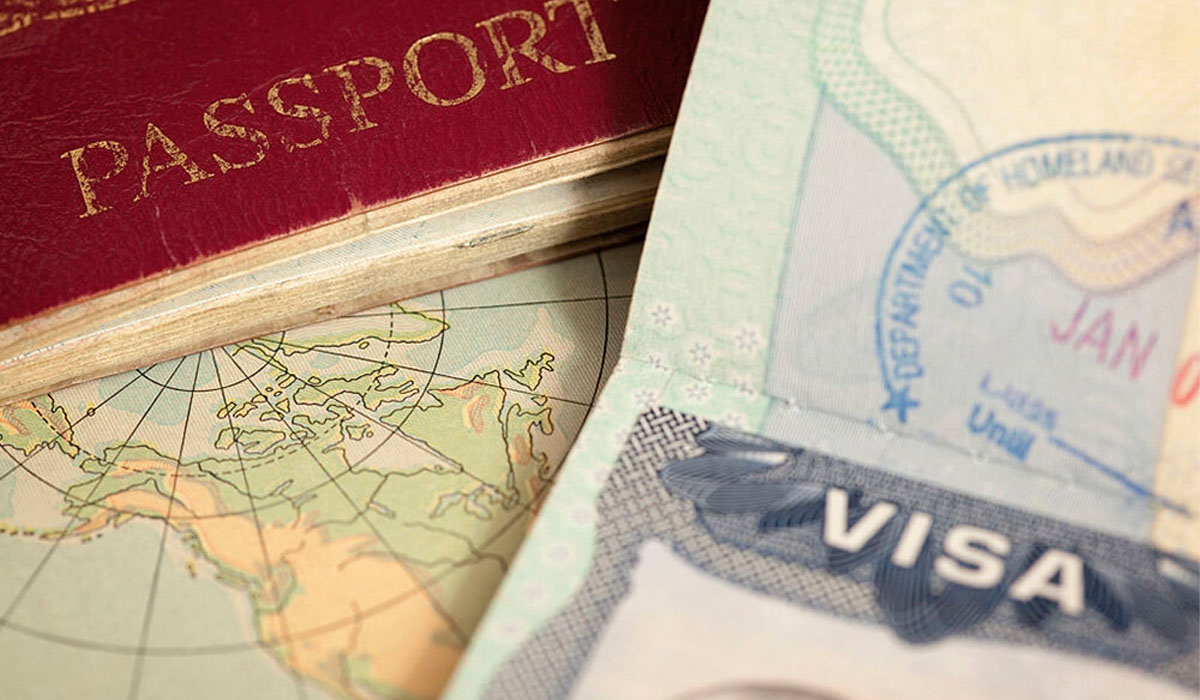
Currently, no vaccine is mandatory to enter the country. However, the Ministry of Health of Peru recommends the yellow fever vaccine if you plan to visit low jungle regions.
Although many travelers decide not to get it, it is a personal decision to evaluate the risk according to your itinerary. The vaccine is usually free at health centers in many countries and, if there is a cost, it is not high. So, if you decide to get vaccinated, remember that you must do so at least 10 days before your arrival in the risk zone for it to be effective.
Keep in mind that if your trip only includes the city of Cusco and the citadel of Machu Picchu, the risk is minimal due to the altitude, as the mosquito that carries yellow fever does not live in these areas.
We do not recommend bringing your own tent for your trip. In the Peruvian highlands, it is not common to camp on your own due to the lack of designated areas and for safety reasons. Also, carrying the weight of a tent at Cusco's altitude is exhausting and not practical, as you will practically not need it.
Peru is one of the most accessible destinations in South America regarding lodging. It is possible to find a wide range of accommodations with an excellent price-quality ratio, from budget hostels to high-end hotels. It is recommended to look for options in advance, compare photos, and read reviews from other travelers to find the place that best fits your needs and budget.
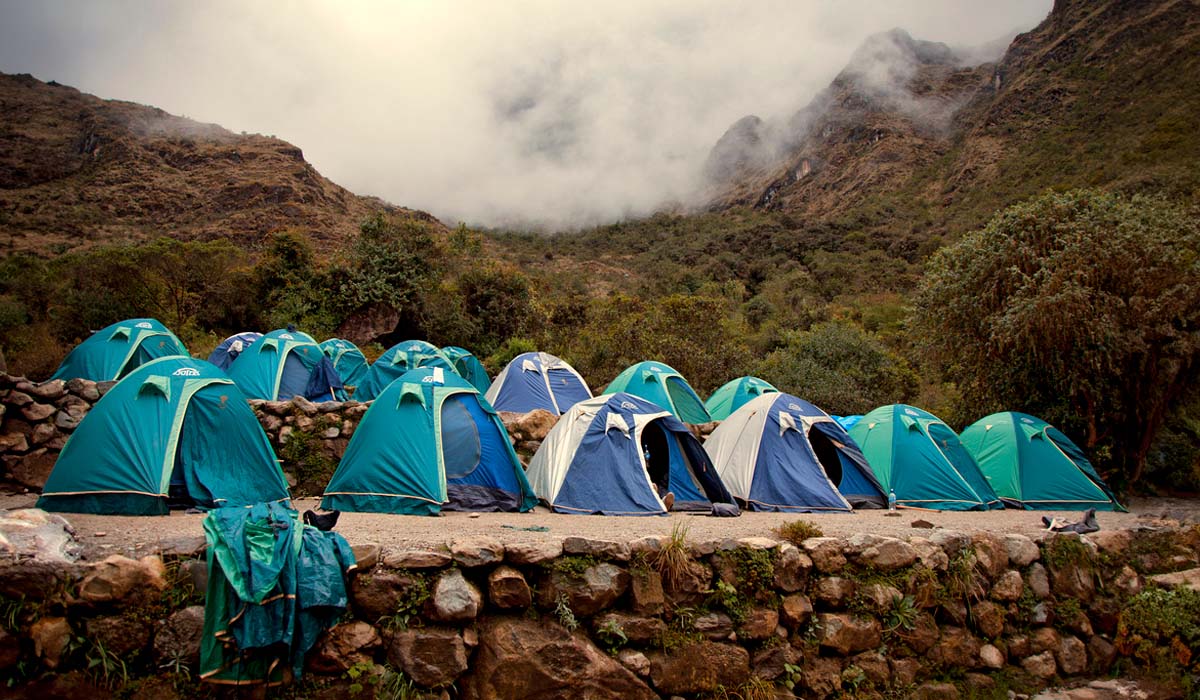
If you come from places with warm climates, you must keep in mind that in Cusco conditions are different. Do not assume that the summer in your home country is the same here; while it is hot in Lima between December and February, in Cusco it is the rainy season. Regardless of the season, in the highlands it is always cold during part of the day or night.
Due to the altitude, the sun is very bright and can damage the skin. It is essential to use sunscreen or buy cocoa butter in local pharmacies to protect your lips. On the other hand, Machu Picchu is located in the jungle brow, a hybrid point where the mountains meet tropical vegetation. The best season to visit is between July and October, when the sky is usually clear, although the sanctuary can be visited in any month of the year.
For a successful adaptation to the altitude, it is recommended to take the Cusco City Tour during your first or second day. This activity is ideal for walking short distances, visiting the main temples and palaces of the city, and allowing the body to oxygenate properly before starting more demanding hikes to the Inca citadel.
It is very common to experience a lack of oxygen in Cusco due to the altitude. This condition causes any physical activity to demand triple the effort, so your usual endurance will be significantly reduced. Also, it is normal for digestion to be slower and for sleep to become heavy and deep during the first nights.
The ideal is to stay calm and avoid unnecessary effort during the first day to allow the body to adjust. Almost all local pharmacies sell specific pills for altitude sickness without a medical prescription. Likewise, drinking coca leaf tea and having coca or lemon candies are very effective natural allies to reduce symptoms.
Taking the Inca Trail is not mandatory to reach Machu Picchu, a point that causes doubt for many travelers. This is a historical and tourist route that can only be accessed through authorized travel agencies, as the government strictly regulates entries. There are versions of the journey lasting 4 or 5 days, as well as cheaper 2-day options.
To do this route, it is essential to be in good physical shape, as it crosses high mountain passes and long sections of stone stairs. The path ends at the Intipunku (Sun Gate), one of the original entrances to the citadel, which offers a unique arrival at the sanctuary. Because access is limited to small groups and permits are scarce, it is necessary to book several months in advance.
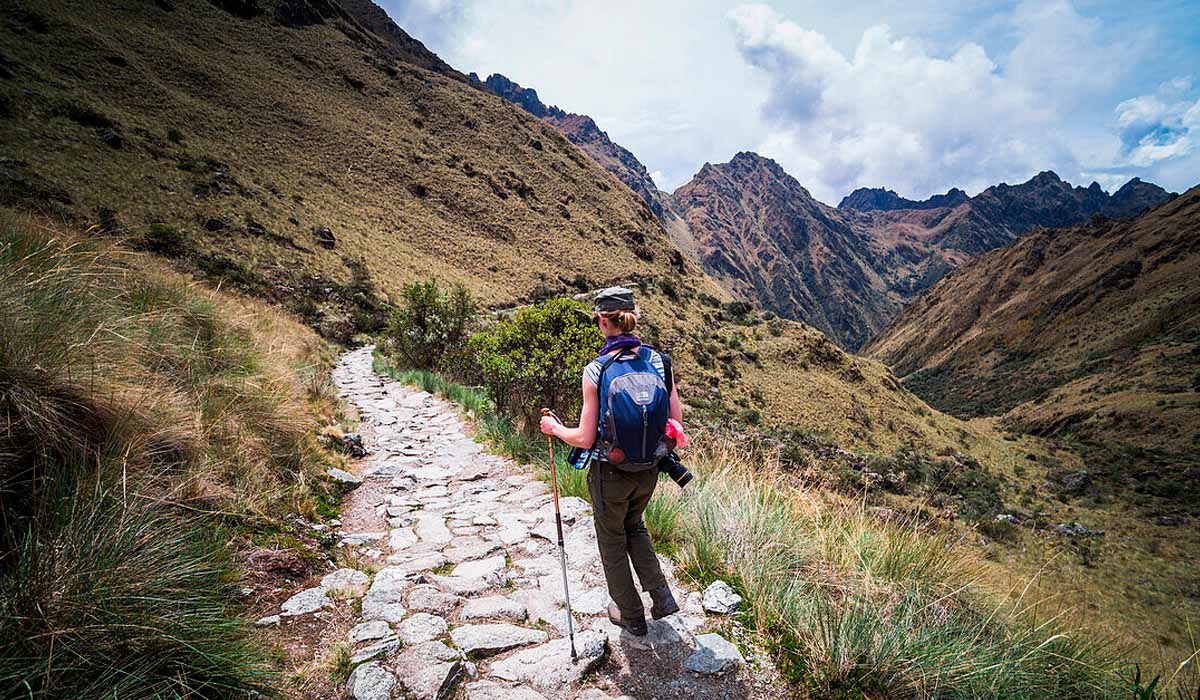
All the routes are excellent full of the same incredible nature and you can see almost the same landscapes. Making the Inca trail is not mandatory and not making it doesn’t deprive you from all the things you could do in Cusco. In fact, Cusco is full of routes of the authentic way that was formed by the Incan Network Road. You’ll see the same ruins, mountains and landscapes during your stay. To reach Machu Picchu on your own you can do it in the following ways:
The city of Cusco is safe in the most popular tourist areas, such as the historic center, the Sacred Valley and Machu Picchu. However, it is recommended to avoid walking at night through markets or areas far from the center while carrying valuable objects. In fairs or very crowded places, take special care of your pockets to avoid small thefts or scams.
For a safe experience, use common sense: do not leave your belongings unattended, be careful with "free" offers, and avoid excessive kindness from strangers who might be looking for some benefit.
Regarding health, food hygiene is fundamental:
It is useful to get the ISIC (International Student Identity Card) if you are an undergraduate student. This card is the only internationally accepted document to prove your student status and allows you to access important financial benefits during your trip.
Among the most important advantages are:
In the past, there was a single entrance for the entire complex, but currently, access is divided into specific circuits and sections. If you wish to climb Huayna Picchu (the mountain behind the citadel where the Temple of the Moon is located), it is mandatory to book your ticket several months in advance and consider that entry is only in the morning. The same applies to Machu Picchu Mountain, which offers a higher panoramic view.
To go up to the citadel from Machu Picchu Pueblo (Aguas Calientes), there are two ways:
As an extra activity, it is highly recommended to take the hike to the Mandor Waterfalls. If you arrived by train or by the traditional Inca Trail, you likely did not pass by this place. However, if your route is through Santa Teresa, you will pass very close to the path that leads to this waterfall, making it an excellent light trekking alternative to consider for your itinerary.
Many are the routes that take you to Machu Picchu, but none is like the Inca Trail Tours, the most famous pedestrian path in the Americas. After flying from the capital of Perú, Lima, you will arrive in Cusco to walk for four days along a path through forests and dense fog, millenary stone steps and discovering the ruins of ancient fortifications and Inca cities, and all the time enjoying majestic views.

 +51 84 226 547
 +51 912 891 560
 Av Tupac Amaru PP-10B, Santiago, Cusco, Peru
  info@salkantaytrekmachu.com
 www.salkantaytrekmachu.com


