Write us
Requets information
Salkantay Trek Machu
Sustainable Tourism Operator
+51 912 891 560
Resquest information

Inca Festivals: The most important festival of the sun in Inca times

Published: 21 April 2025 | Update: 12 March 2026 | Reads: 20644
Home / Travel Blog / Inca Festivals: The most important festival of the sun in Inca times
Inca Festivals: The most important festival of the sun in Inca times

The organization of the calendar in the ancient empire was closely linked to farming. To ensure the success of their harvests, watching the movements of the Sun, the Moon, and the stars was essential to decide the dates of the Inca festivals. The Andean year, known in Quechua as huata, was divided into 12 lunar months of 28 days each; also, the remaining time of the calendar was completely dedicated to its great festivities.


To predict the arrival of the equinoxes and solstices, the Incas built observatories and "solar clocks" carved in stone, known as Intihuatanas. The most amazing examples can still be seen in Machu Picchu, at the archaeological site of Pisac, and in various places throughout the Cusco.


Although there is a debate about when its annual cycle started, the chronicles suggest that, due to the deep reforms ordered by the Inca Pachacutec, the official year started in the month of December. From that moment on, an intense cycle of Inca celebration took place that marked the timing of planting, rain and harvest, highlighting the Inti Raymi (the Festival of the Sun) as the highest ceremony of their devotion.


What does "Raymi" mean?

"Raymi" comes from the Quechua language. It means "party" or "festival" in English and "fiesta" in Spanish. During the Inca Empire, Raymi festivals were only celebrated on significant days related to agriculture and honoring the gods.


The Inca emperor Pachacutec started the tradition of celebrating a festival dedicated to the sun, known as the Inca festival of Inti Raymi, to give thanks for the growth of the empire and bring people together. The sun was considered one of the most important gods in the Inca civilization.


According to María Rostworowski's book about Pachacutec, the Sun god helped Pachacutec reclaim Cusco from the Chancas invasion. This marked the beginning of the formal worship of the sun god, and the Coricancha temple was built as its main shrine.

Pachacutec is recognized as the most important Sapa Inca (emperor) in Inca history. He expanded the empire and built many religious centers, Inca trails, and cities. Machu Picchu is a lasting legacy of his achievements.
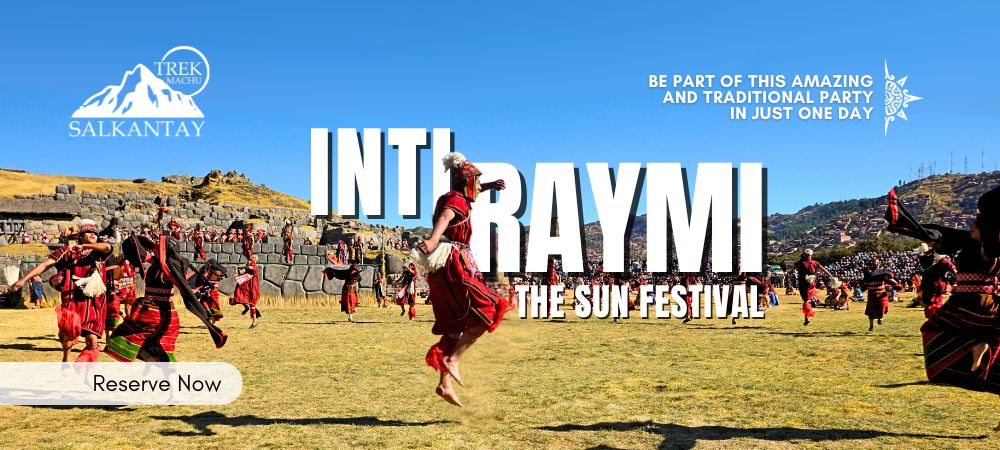
Inti Raymi Fest


Raymi: Main Holidays

While it is true that the Inca people were primarily agricultural and spent most of their time on these tasks, there were periods of rest devoted to worshiping and paying tribute to their gods and superior beings whom they believed were subject to veneration. These periods were marked by celebrations, such as:


Inti Raymi: The Festival of the Sun

Considered the most important religious celebration of the entire Inca Empire (often described by chroniclers as the "Easter of the Sun"), Inti Raymi Festival took place in the month of June, matching exactly the winter solstice in the southern hemisphere. In essence, it was a celebration of deep thanks for the harvests, since by this date the grain had been collected and food was guaranteed for the rest of the year.
 

To understand the size of this event, this is how the ritual happened:
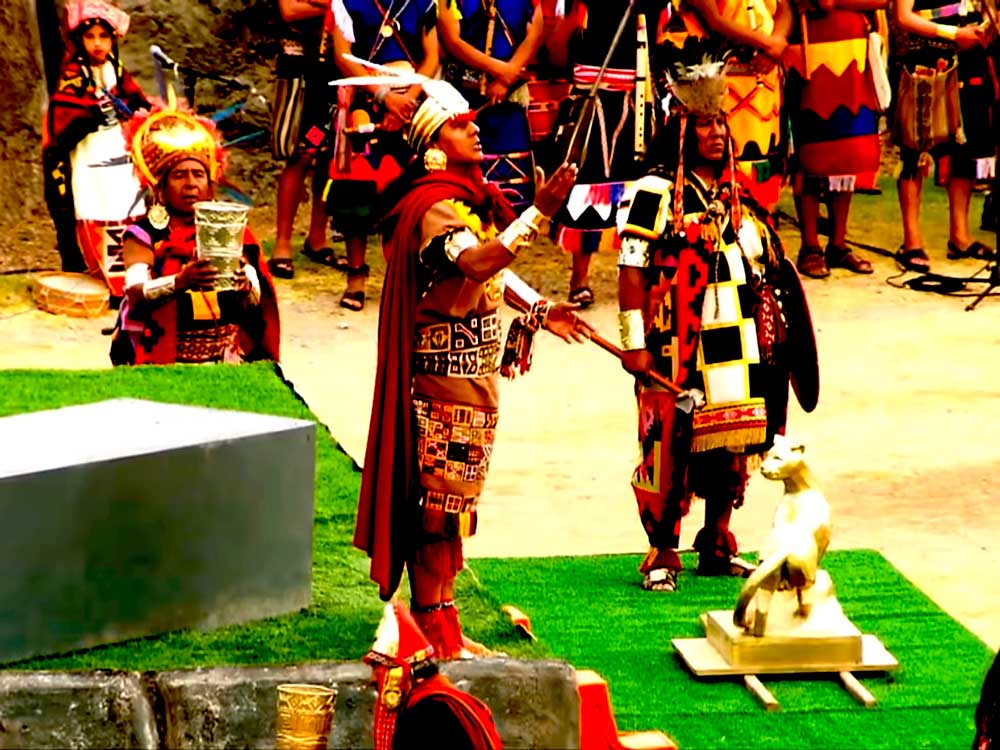
  • Pre-purification: Three days before the date set by the Inca, the whole population of Cusco went through a strict fast. The imperial city stayed in total darkness, as it was strictly forbidden to light any kind of fire until the dawn of the main day.
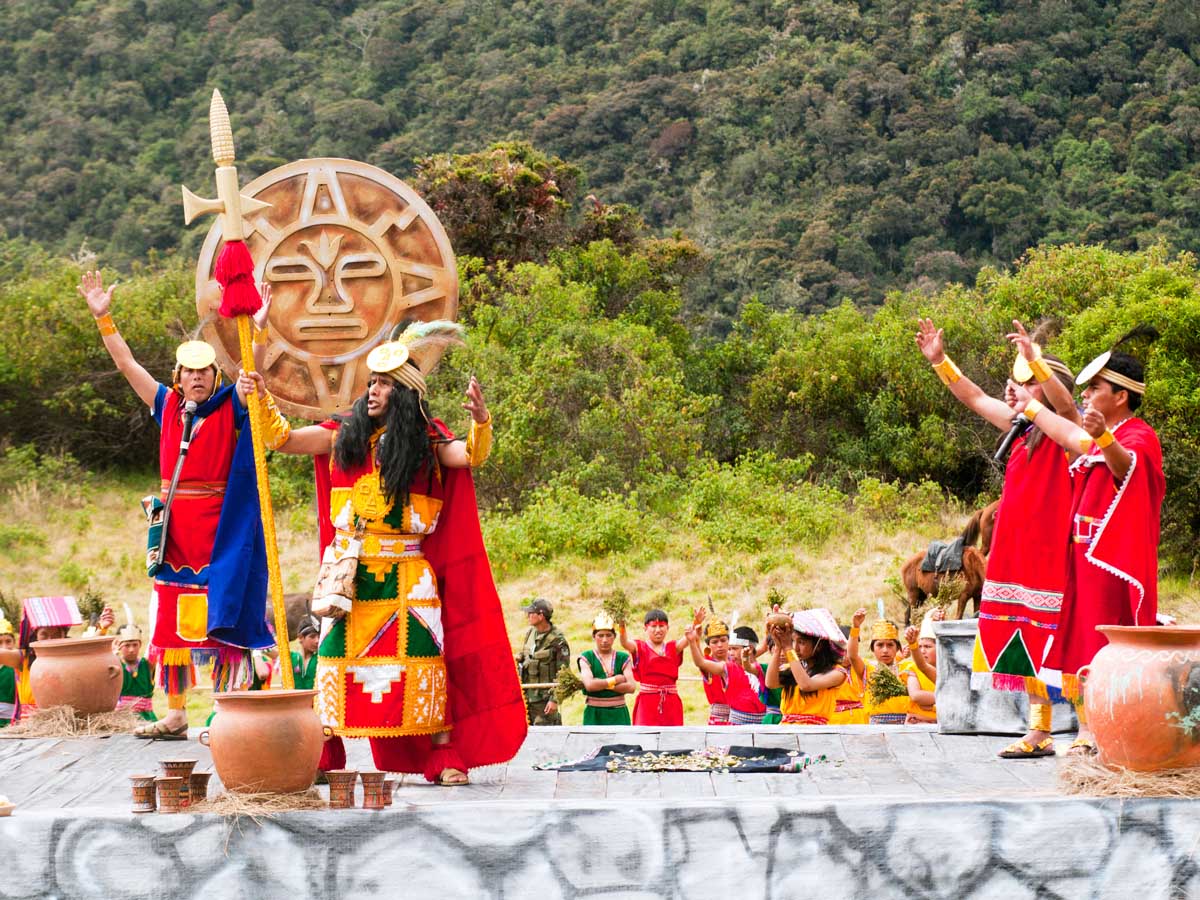
  • Welcoming the Sun King: At dawn, a huge crowd gathered in the main square, known as Aukaypata (the current Plaza de Armas of Cusco). The Inca appeared led by a group of nobles in rich clothing. At the exact moment when the first sun rays lit up the hills and the city, the crowd broke into a deafening shout, while thousands of warriors made their drums sound as a sign of deep respect.
  • The sacred toast: At the highest moment of the ceremony, the Inca took a gold cup filled with chicha (the sacred Andean liquor, fermented especially by the "acllas" or "chosen women") and toasted in honor of the Sun. Then, he poured the liquid into a ceremonial channel, which served as the official signal for the people to start drinking and celebrating in abundance.
  • The sacrifice and the predictions: As a closing act of the ceremony, the Willac Umu (High Priest of the empire) performed the sacrifice of a sacred llama. By checking its insides, the priest made predictions about the farming future of the coming year and the greatness of the Inca government.
Inti Raymi Festival


How is Inti Raymi Festival celebrated?

After 60 years, this unique festival became part of the tradition in thecity of Cusco. Today, its main feature is the colorful representation and history of the ancient Wawa Inti Raymi ceremony. This staging is performed by hundreds of actors wearing typical Inca clothing. The main role is held by the high priest Willaq Umo, the Inca nobility, the Inca and his wife the coya. In addition there are personifications of the entourage of the Inca, his delegates of the four of his or corners of the Tahuantinsuyo. This staging lasts 1 day, in which the entire 'Imperial City' lives with joy the Sun Feast.


When is Inti Raymi Festival celebrated?

On June 24 of each year, Cusco celebrates the Inti Raymi. This date is due to the fact that it coincides with the Day of the Peasant. In Cusco, that date was declared a holiday. June is considered the jubilee month of Cusco, not only for the celebration of this festival but also for the famous Corpus Christi.
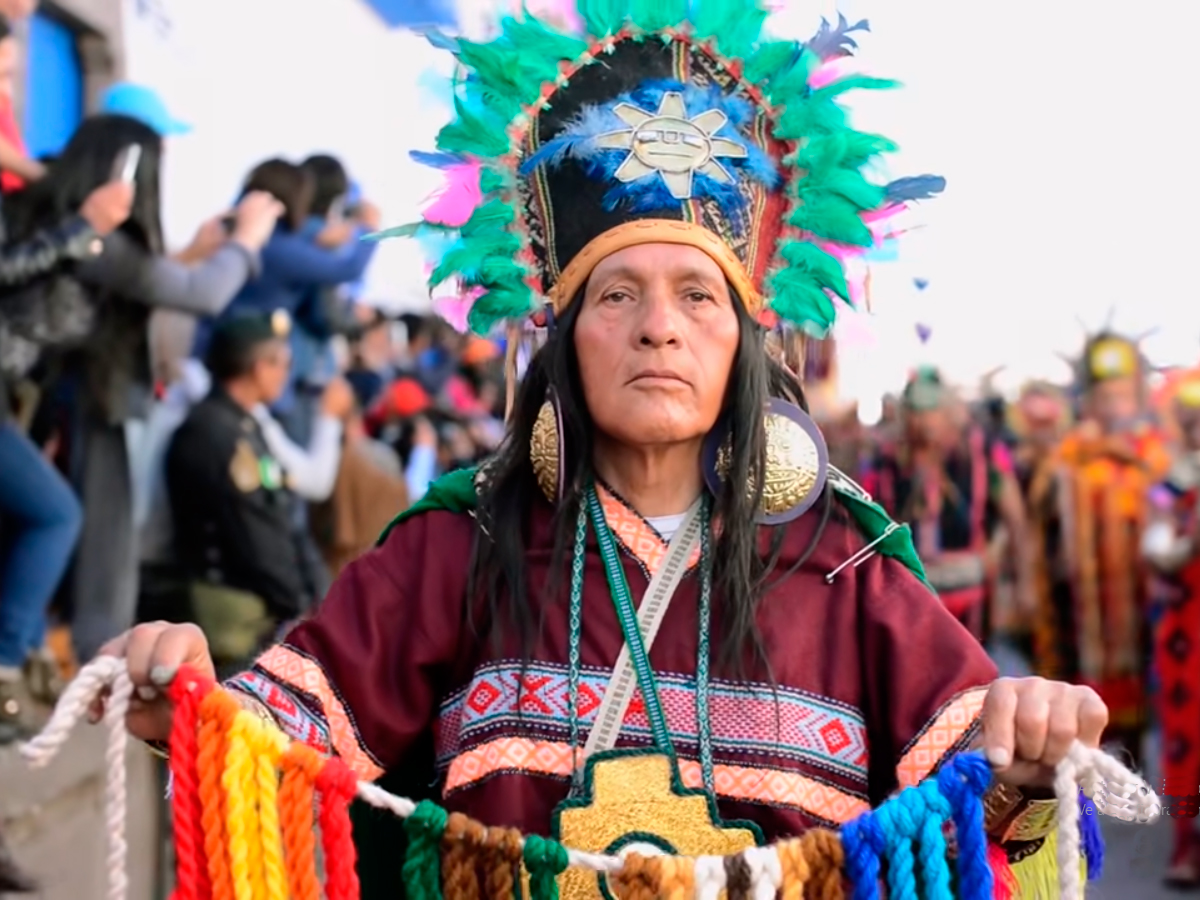
Inti Raymi Salkantay Trek Machu


Where is it celebrated?

The staging takes place in 3 specific sites of Cusco (that you can enjoy during a normal city tour) with great historical significance:
  • Qoricancha.- The Temple of the Sun or Qoricancha, from the first hours of the day, begins the Sun Feast. This representation takes place in the so-called golden garden. It begins with the appearance of the Inca. The first rituals offer coca leaves, llamas, alpacas and more. The staging is free. You should only approach from the first hours of the day to El Sol Avenue. The staging starts at 09:00 a.m. and it lasts 45 minutes on average.
  • Main Square.- The historic center of Cusco is the nerve center of the celebrations of the Sun Feast. The Main Square is cordoned off. The Inca is loaded on litter by eight servants and performs the so-called Coca Ceremony. There is a platform for tourists who bought their ticket. However, most visitors have to observe the staging of the ritual standing up. The ceremony begins at 11:00 a.m. and lasts about an hour.
  • Sacsayhuaman.- The Chuquipampa esplanade in the Sacsayhuaman fortress is the main stage for the representation of the Inti Raymi. This place was very important during the Incas. Today, access to the public is only allowed with an entrance ticket. There are 3 platforms or tribunes conditioned to the tourist. The staging starts at 01:30 p.m. and it lasts almost two hours.

Ausangate Festival

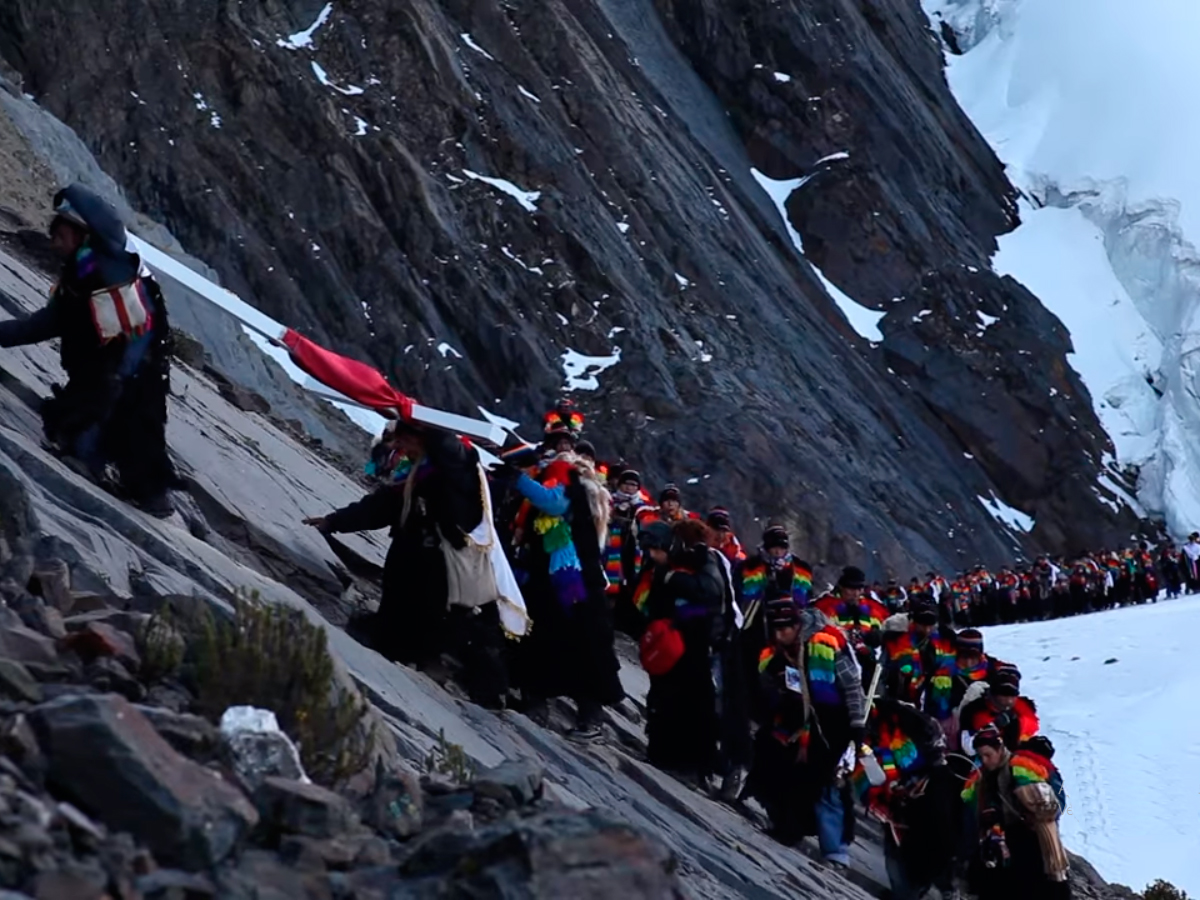
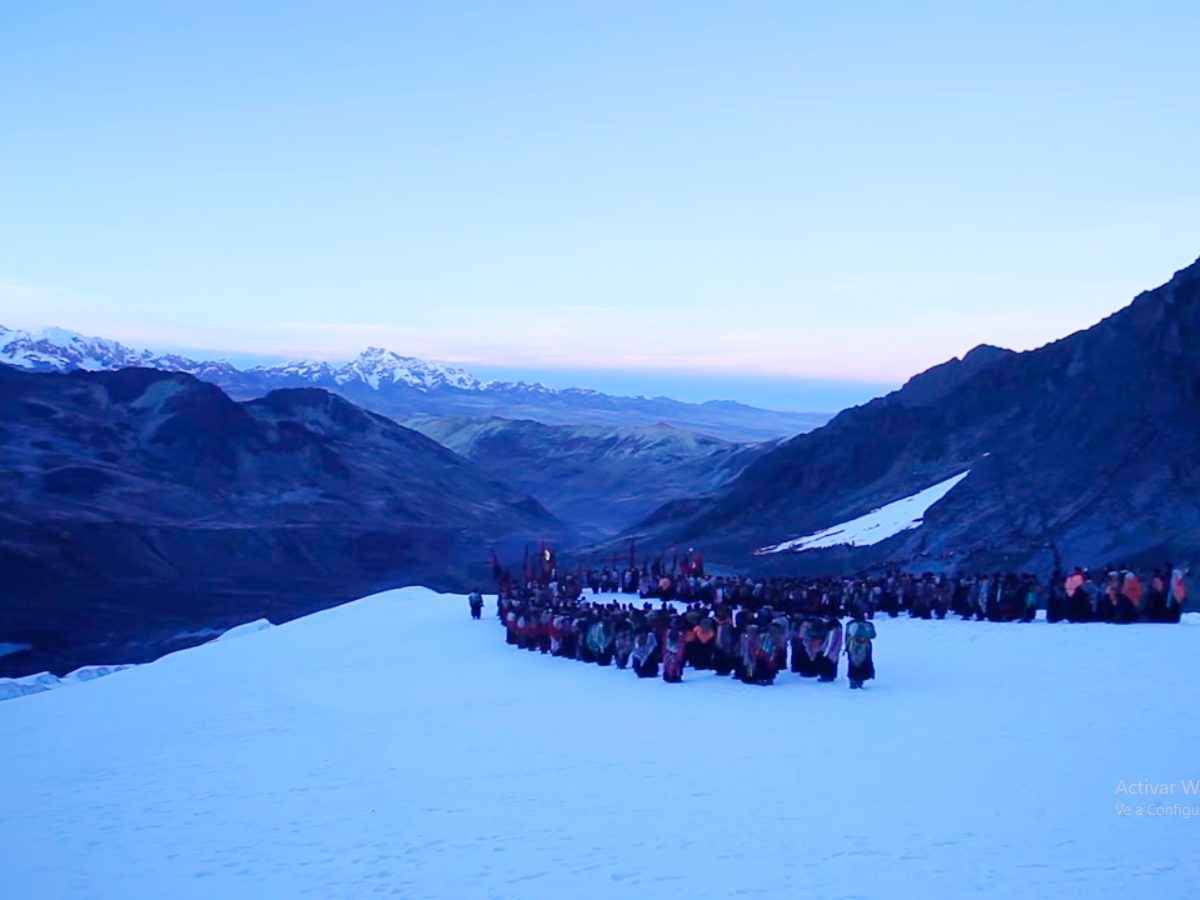
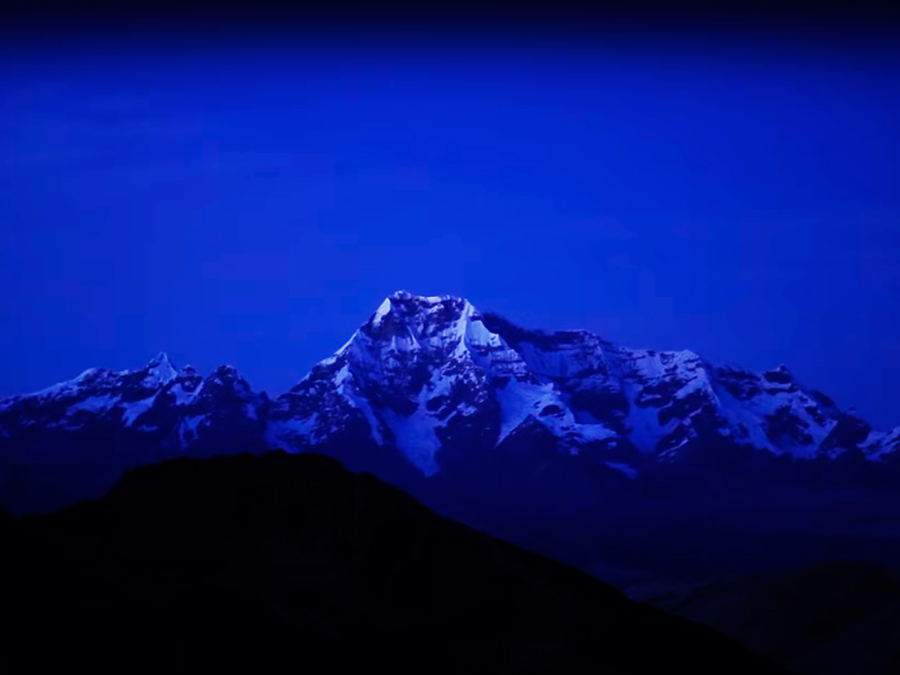
This festival most known as Qoyluur Ritt'iIt is celebrated every year in honor of the Lord of Qoyllorit'i, it is held in the district of Ocongate (Quispicanchis), on the slopes of the Ausangate mountain at 5362 masl, in the department of Cusco. This festival is one of the largest religious activities that takes place in the southern highlands of Peru,


The festivity brings together a large number of devotees who call themselves nations, coming from different towns and cities.According to the belief, the Child Jesus, disguised as a shepherd, appeared to an indigenous child, Marianito Mayta, and both became friends. When the parents found them dressed in rich attire, they notified the parish priest of the place, Pedro de Landa, who tried to capture him but without success, because in the place of the Child a stone appeared. Marianito died immediately and the image of the Lord of Qoyllur Rit'i was fixed on the rock. The festival and sanctuary of the Qoyllorit'i were declared cultural patrimony of the nation on August 10, 2004. Subsequently on November 27, 2011, Unesco registered the "Pilgrimage to the sanctuary of the Lord of Qoyllorit'i" as a member of the Representative List of the Intangible Cultural Heritage of Humanity.
 

PILGRIMAGE TO MR. OF QOYLLOR RIT'I

Pilgrimage to mr of QOYLLOR RIT'I
 
The Ausangate Festival, or  festival of Qoyllor Rit'i Lord is one of the Catholic festivities fused with the Andean, located in the place of Sinacara that congregates an endless number of pilgrims devoted to the miraculous image, entire populations of southern Peru, also called Nations that are organizations of comparsas and devotees, come from different places of the provinces of Cusco. Despite the imposition of the Catholic religion the Andeans did not forget their religious traditions, keeping them almost in a hidden form. Nature, for them, had its own spiritual representations: the Apu, spirit of the hill; the Pachamama, the earth and the Inti, the Sun as divine doer.

Ausangate Festival

 
The next day, the day of the serenade that begins with liturgical ceremonies in honor of miraculous Christ or also called peasant Christ. In the afternoon the serenade begins with a dance show parading through the atrium and interior of the sanctuary; at midnight a group of forts Queros, residents of what is perhaps the purest Quechua community in Peru, disguised as pabluchas, leaves for the summits of the snow (6,362 masl) in search of the Star of the Snow that is enclosed in its entrails and also where the baptisms of the new dancers and judgments are done by the guards where they punish those people who have made mistakes and who already find out at the foot of the snowed place that is sent secret envelopes that up there read. Back in their communities, these strong settlers carry large ice blocks on their backs to symbolically water their lands with the sacred water of Ausangate.

Inca Festivals Salkantay Trek Machu

 
The central day after doing the ritual at sunrise comes down from the snow covered caravan headed by the Calvary towards the sanctuary; hours later the central mass is carried out later the procession of Mr. de Ccoyllorritti represented by Mr. de Tayancani, concludes with the farewell of each comparsa giving chants or (Watascama) to the gentleman finally they return towards the population of Mahuayani, soon to embark to their places of origin.
 
The end of the procession takes place in the ancient Inca capital ofCusco with the processions of Corpus Christi, the streets and squares are full of people, music and color.
 

Sara Raymi: The Festival of Corn in Cusco, Peru

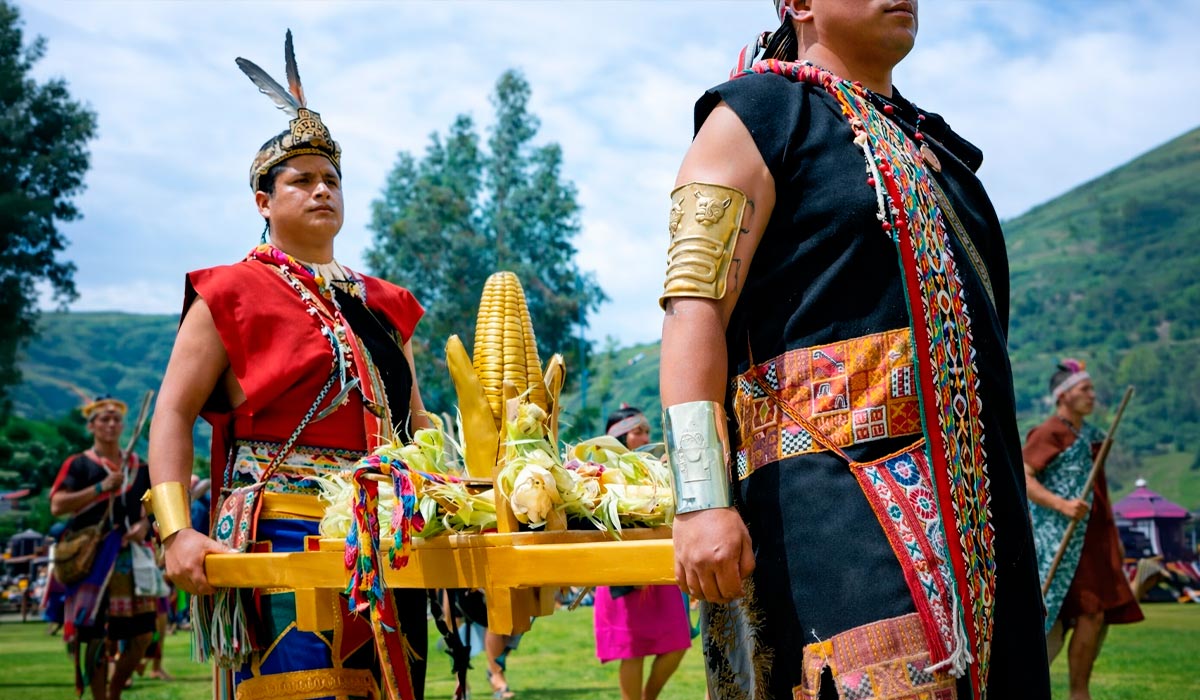
The "Sara Raymi Festival" is a beautiful celebration of the importance of corn. It's held every March 28 in the Huaro district of Quispicanchi province, Cusco Peru. According to a local legend, the sun transformed a beautiful young maiden into a corn plant with long leaves and yellow hair. During the festival, the curaca, or "lord of the place," honors Mama Sara, praying that her tender grains never fail.


For a long time, the celebration was held on the sixth month of the Inca calendar, Hatun Kuski Raymoray. That month is now in May. The festival was brought back in 1990, and it's a celebration of the area's rich history. It takes place in the main square of Huaro, where a big fair is held with the local community, visitors, and peasant communities.


The Sara Raymi festival is a celebration of life and community, featuring vibrant dances, melodious music, and heartfelt rituals of gratitude to the gods for the bountiful corn harvest. In the past, people would bring alpacas to be part of the sacrifice. This ceremony was a big deal and lasted for three whole days. They did this to make sure that there would always be enough corn for everyone. Today, the streets are filled with the beauty of nature, decorated with willow branches, corn plants, and kernels.


You'll love the freestyle dancing, the competitions of native dances by local groups and associations, and the contest for the best corn varieties (parajay, oro, qello, chulpi). The celebration is absolutely vibrant! It's filled with all kinds of fun things to do, like folklore shows, traditional food tastings (like tortillas, mazamorras, chupes, and stews), and regional corn exhibitions.
Inca Festivals


Moray Raymi: A Celebration of Gratitude

Every October 8th, the beautiful city of Cusco, Peru, comes alive with the celebration of Moray Raymi. This lively festival brings together a diverse crowd of locals, as well as tourists from all over the country and the world. It's often seen as a perfect companion event to the famous Inti Raymi held in June. Moray Raymi is a beautiful ritual of gratitude. It's a time to offer our heartfelt thanks to the Sun God for the year's abundant harvest.


The festivities unfold at the Moray archaeological complex, a stunning example of Inca ingenuity. This site, with its impressive concentric terraces and curved designs, forms a breathtaking artificial landscape that leaves visitors in awe. Moray Raymi, is a beautiful celebration that blends sacred rituals with traditional art and music, breathing new life into the spirit of Inca culture.

Moray Raymi is a feast for the senses and the soul. It's a must-see for anyone seeking to experience Cusco's rich heritage. You'll find unforgettable photo opportunities that capture the timeless beauty of Peru's past and present.


Inti Raymi and Other Vibrant Festivals of Peru

  • Machu Picchu - Inti Raymi
  • Vilcabamba - Inti Raymi 
  • Maras & Moray - Papa Raymi
  • Coya Sacred Valley - Carnival
  • Maranura - Coca Raymi

Inti Raymi Vilcabamba


Salkantay Trek Machu Travel

If you want to watch and be part of the Incas festival in Peru. We recommend you to prepare your vacations to Peru in advance. You will require a minimum of 3 days and maximum of 6 days to enjoy these Inca celebrations. Add extra activities or destinations for the best experience. You can visit the lost city of the Incas by train (Machu Picchu tours) or hiking through the Inca Trail, Salkantay Trek or alternative treks. Don´t forget to add the Rainbow Mountain Peru in your holidays, this mountain is the most beautiful natural destinations.


Salkantay Trek Machu offers the best Inca Trail, Salkantay Trek tours or Peru trekking holidays, find the best price for your holidays. We are specialists in hiking/ trekking, natural, history and tailor-made trips to Peru.


Most Popular Trips

Salkantay Trek Machu
Sustainable Tourism Operator
We are a tour operator of Salkantay Trek to Machu Picchu. We have been providing tours for more than 8 years and our reliable.
Phone +51 84 226 547
WhatsApp +51 912 891 560
Address Av Tupac Amaru PP-10B, Santiago, Cusco, Peru
emailinfo@salkantaytrekmachu.com
Websitewww.salkantaytrekmachu.com