
The Salkantay Trek has established itself as the most important alternative hiking route to the classic Inca Trail, located in one of the most diverse regions of the Andean jungle. Unlike other tours, this journey allows you to admire up close the imposing snowy Salkantay mountain (6,271 m), a high mountain surrounded by abundant vegetation that dominates the horizon during much of the path.
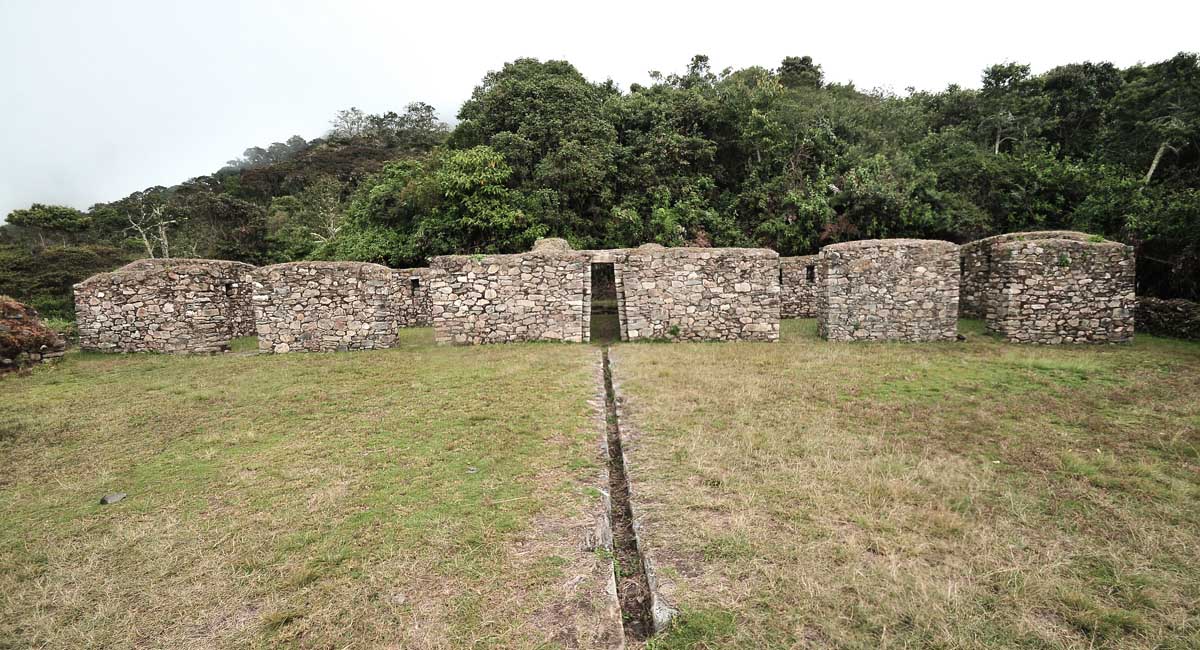
By choosing the Salkantay Trekking to Machu Picchu, the traveler has the opportunity to observe impressive landscapes with a variety of flora and fauna that is hard to find on other hikes in Cusco. One of the highlights of this journey is the visit to the Inca ruins of Llactapata, a sacred site built on a mountain in front of Machu Picchu, offering a unique and side view of the wonder of the world that few tourists get to know.
Although most people who arrive in the capital of the Incas have only the traditional path in mind, if what you are looking for is to enjoy a spectacular environment, more flexibility, and close contact with nature, you should definitely take on this Andean challenge.
The Salkantay Trek was named one of the 25 best treks in the world by National Geographic Adventure Travel magazine. This is for good reason, as the path around Mount Salkantay offers amazing views and one of the most dramatic ecological changes in the Andes. During the classic Salkantay trek, you will begin by walking through high glaciers and end the journey entering the thick high jungle.
The adventure begins with a three-hour car trip west of the city, a strategic starting point for those looking for Cusco vacations full of adrenaline.
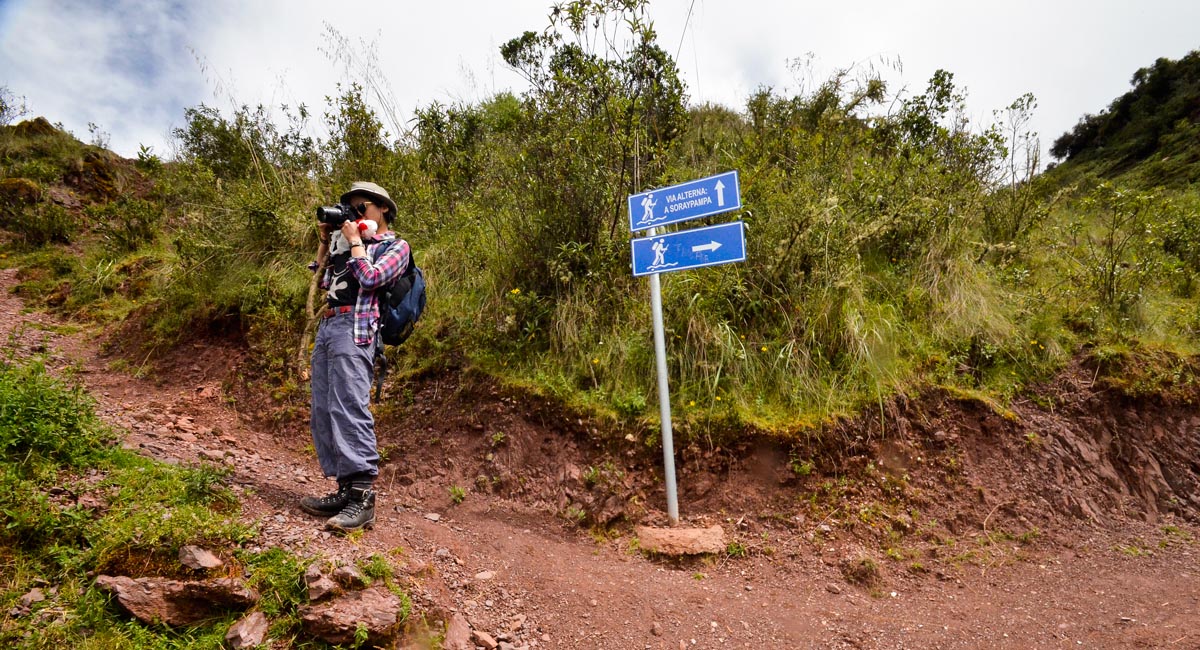
When planning your classic Salkantay trek, you will notice that prices in the market vary a lot. It is important to remember that "you get what you pay for". Since this is a high mountain route with extreme climates, we recommend being careful: make sure to hire a service that guarantees the right camping equipment for the cold and includes a professional cook. A balanced diet is vital to keep your energy during the climb to the Salkantay pass.
Depending on your pace and the time available during your Cusco vacation, you can choose between different options:
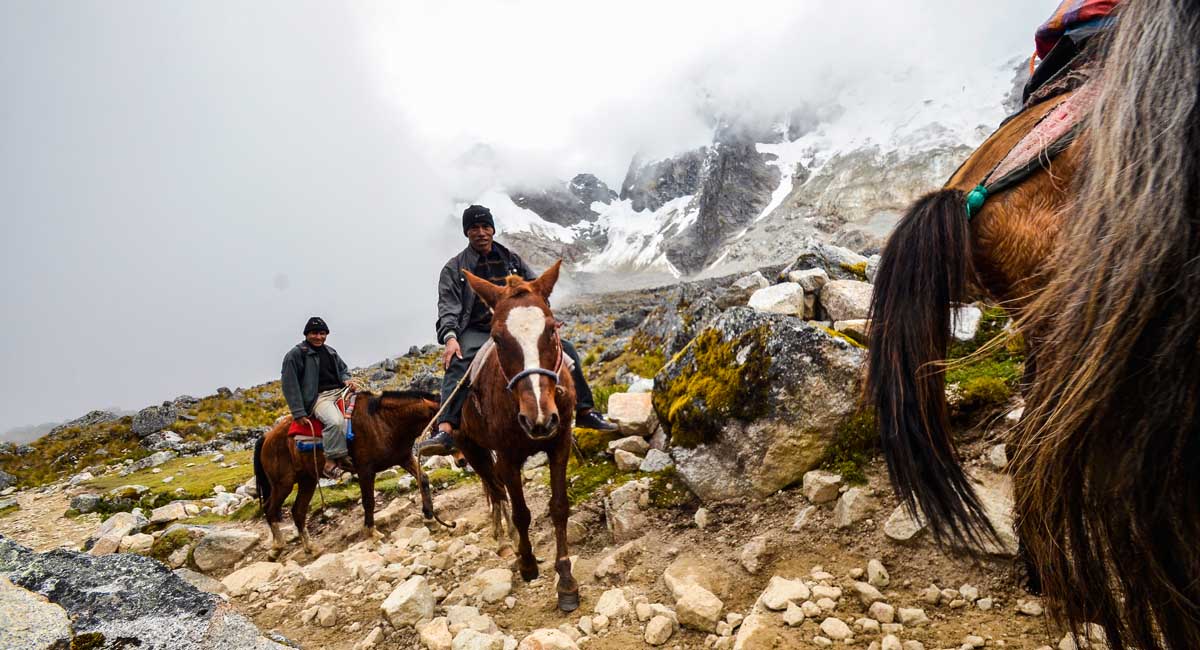
Choosing the right date is the most important factor to guarantee the success of your vacations in Cusco. The weather in the Peruvian highlands is cyclical and is clearly divided into two periods.
In the first period, we find the Dry Season (April to November), considered the best time to do the Salkantay hike. During these months, the days are clear and sunny, which offers panoramic views of the snowy mountain and the high jungle landscapes. However, you must keep in mind that, although the days are warm, the nights at the high-altitude campsites (like Soraypampa) can be extremely cold, with temperatures dropping below zero.
On the other hand, the second period, the Rainy Season (December to March), is where rainfall is constant and the trail can become slippery or muddy, which increases the technical difficulty of the Cusco treks.
If you are looking for the perfect balance, take note of the following facts:
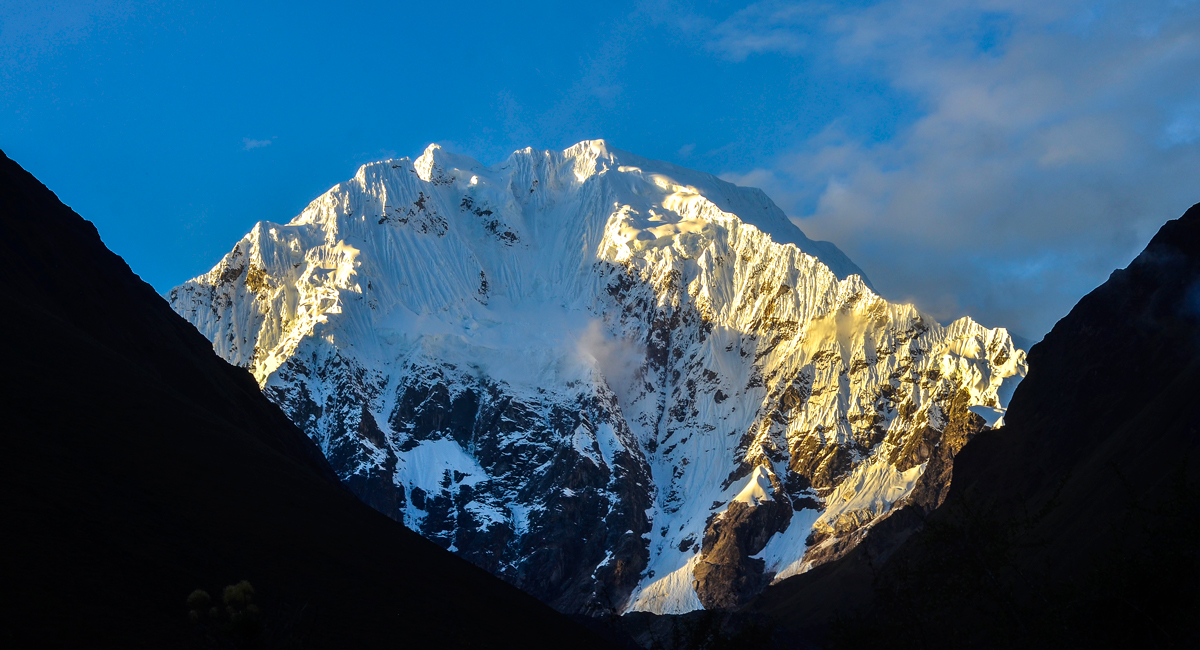
The expedition begins with a pickup from your hotel in Cusco for a 3-hour trip to the northwest, arriving at Mollepata or Soraypampa, in the impressive Apurímac Valley. This is the starting point where your Salkantay Trek to Machu Picchu comes to life.
The first day of hiking is not too difficult; the trail has gentle climbs and passes through areas where you will still find small local shops to buy snacks. The main goal is acclimatization. Just an hour after starting, you will have your first look at the frost-covered snowy peak. It is a test day: if you feel the effort is too high, it is vital to tell your guide, as the challenge will increase. For extra safety, the support team usually includes emergency horses for those who have physical difficulties in this starting section.
The first night is cold, as the campsite is located very close to the snowy mountain. Under an impressive starry sky, a down sleeping bag is essential to get your energy back.
The second day is the most challenging of the treks in Cusco. After a strong breakfast, you will face the steepest section: a climb of about 3 hours until reaching 4,600 meters in altitude.
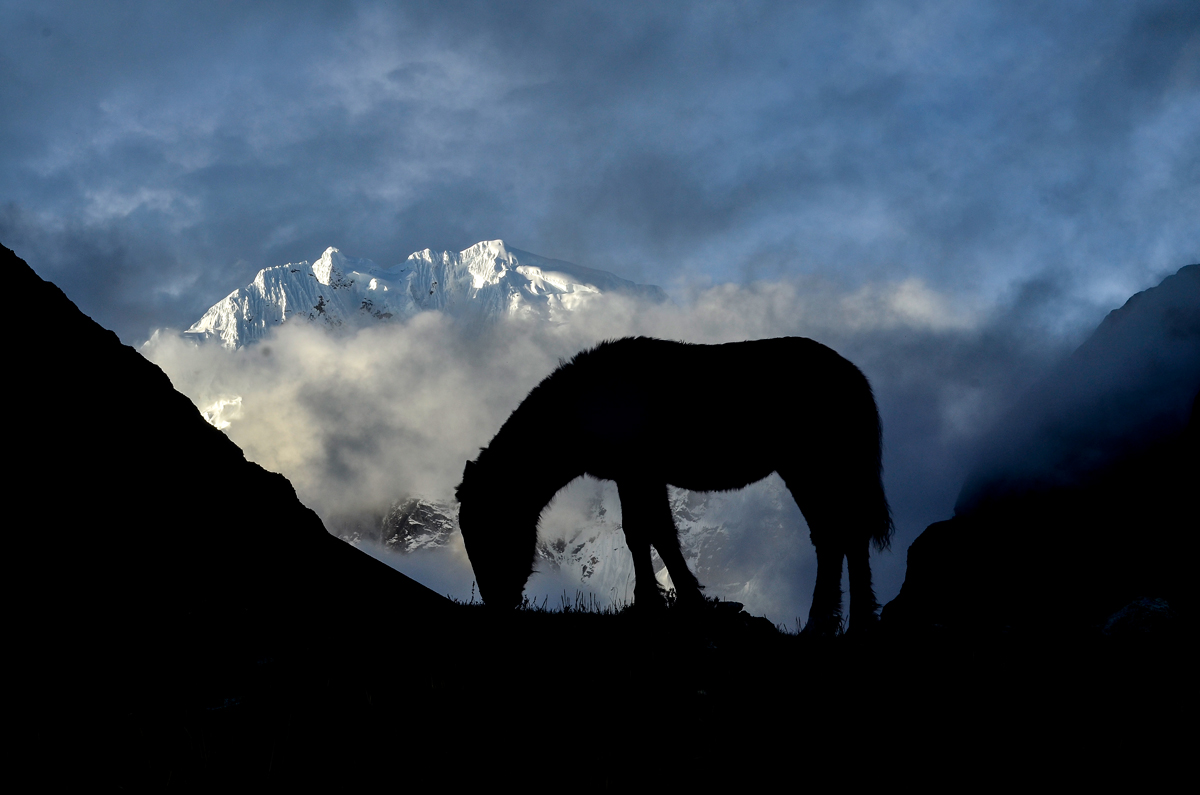
The next day is shorter but stays complex depending on the weather. The landscape changes drastically: you will leave the ice behind to travel through the high jungle among streams, waterfalls, and deep valleys. It is a magical transition that only the Salkantay Trek to Machu Picchu can offer. Upon reaching this point, you and your group can choose between different routes to continue toward the final goal.
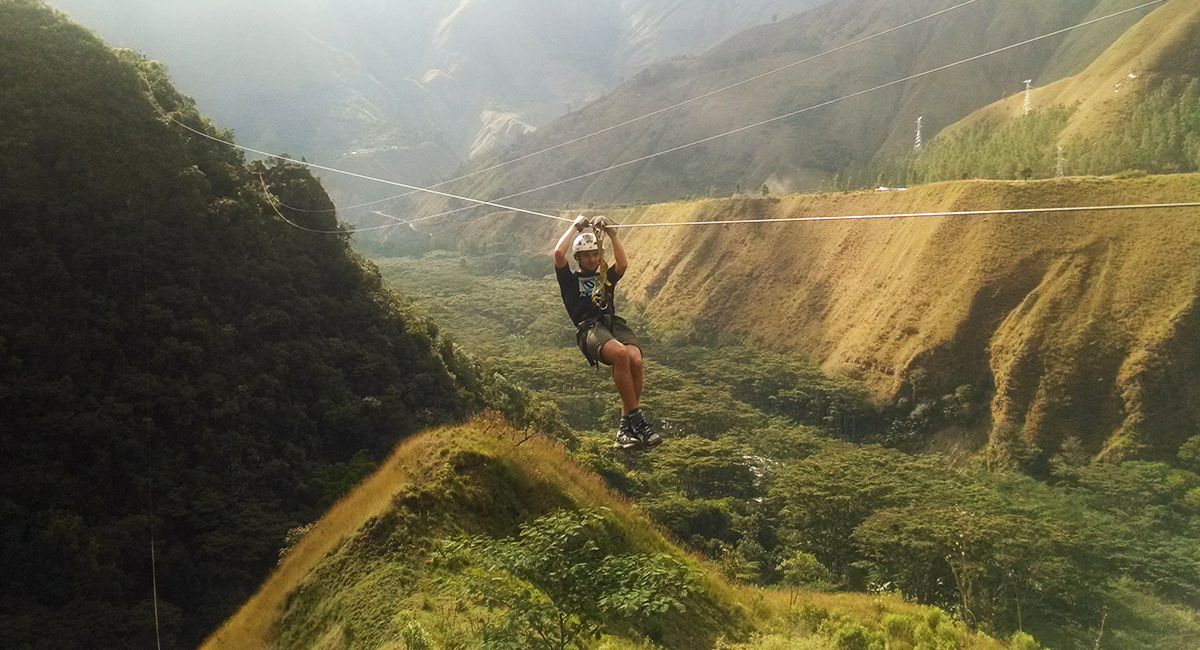
Upon reaching the La Playa sector, the Salkantay Trek offers two different routes to get closer to the goal. Both experiences are unique and depend on what you are looking for at the end of your expedition:
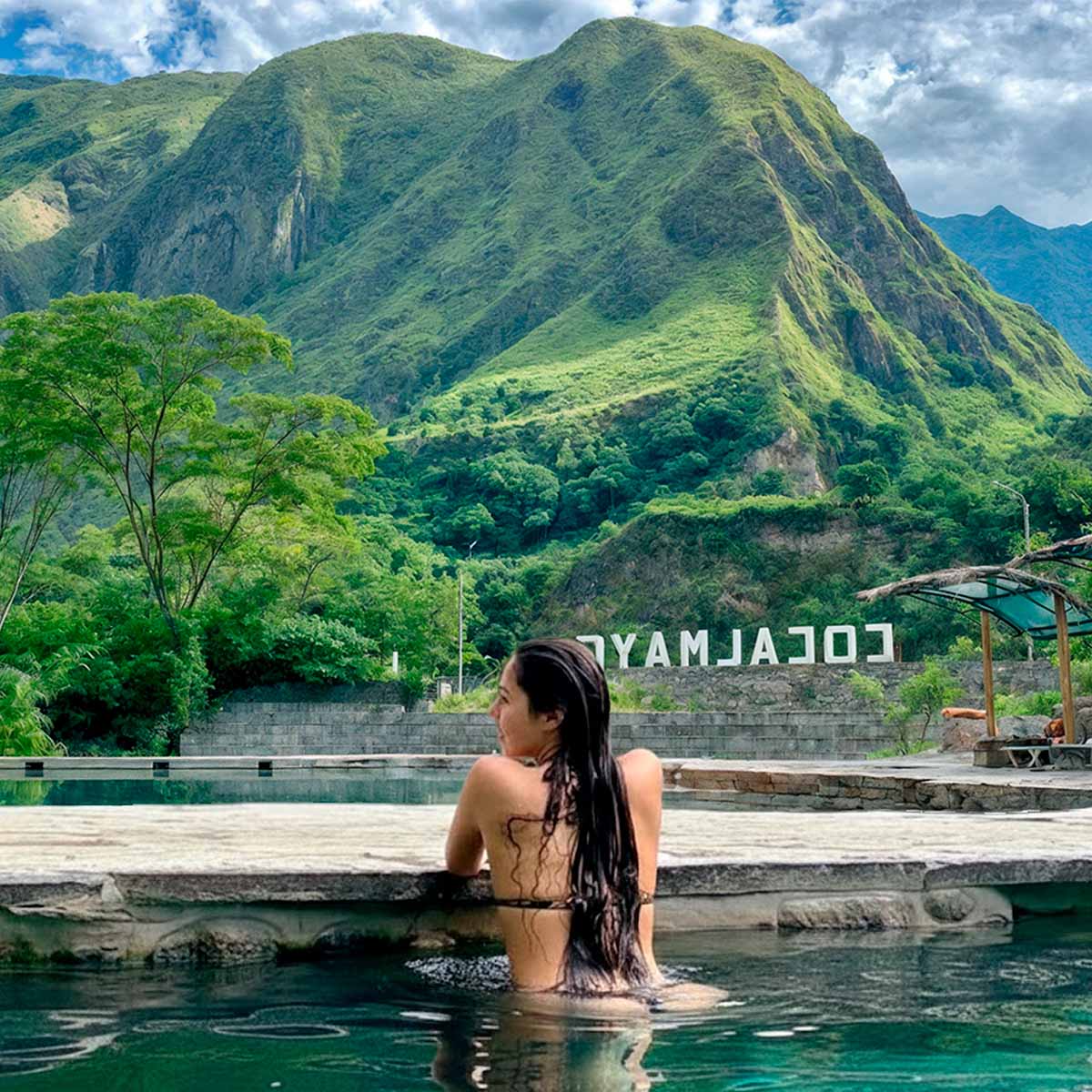 |  |
Regardless of the chosen option, the last night of the Salkantay Trek marks the end of the campsites. You will stay in a comfortable hotel in Aguas Calientes, which means enjoying a refreshing hot shower and a dinner at a local restaurant. It is the perfect moment to celebrate with your group having completed one of the best treks in Cusco before the great final visit.
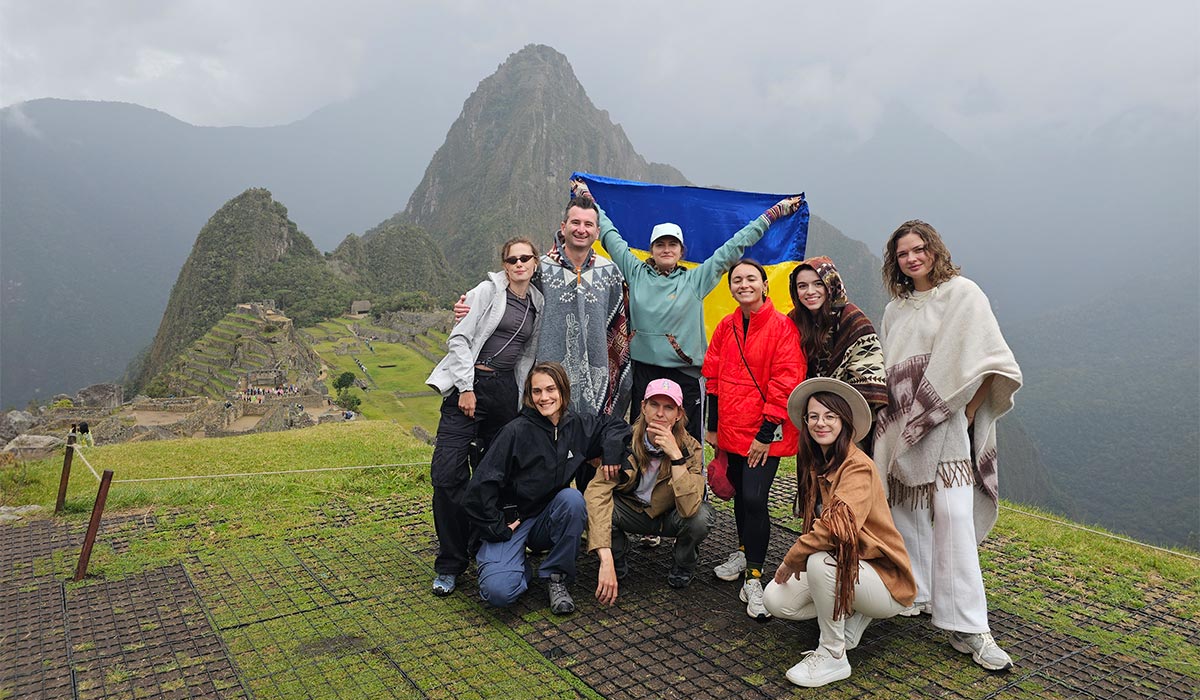
The last day has arrived and finally you will be in front of the Inca citadel of Machu Picchu! For this final stretch from Aguas Calientes, you have two options: challenge the last stone steps or take the shuttle bus.
Variants of the Salkantay Trekking
There are different ways to experience this route depending on your time availability: the Classic (5 days) the most complete and popular option, the Short version (4 days), ideal for those who have a tight itinerary but good endurance, and finally, the Long adventure (7 days), for those who wish to explore even more remote routes.
Some variants end in the town of Santa Teresa, a few steps from the "Hydroelectric station", from where you reach Aguas Calientes in a short train trip or a final one-hour walk. Without a doubt, the "Salkantay Trekking to Machu Picchu" is an experience that transforms any traveler.
Few travel excursions will top as many bucket lists as the Inca Trail Trek to Machu Picchu, and for good reason. Combining sub-tropical jungle, lush cloud forests and staggering alpine scenery, the 44-kilometre trek is ranked among the finest in the world.
But there are certain drawbacks. With an increasing number of travellers looking for their piece of the action – 2012 saw 62,789 pass the main gate of the trail. This is one adventure thats fast becoming the most popular trek in the world.
In a bid to minimise environmental impact, the Peruvian Government now issues just 500 permits a day (with up to 300 of those going to cooks, porters and guides), meaning those looking to travel in peak season, May to September will often need to apply for permits months in advance.But to avoid crowds and red tape, a great option is to look at some of the lesser-known alternative treks. The exhilarating, high altitude Salkantay Trek is steadily growing a reputation.
Encompassing five different ecosystems over the same number of days, the ancient path offers a mind-blowing mix of snow-capped glacial mountains, lush tropical rainforests and vast Lord of the Rings-style plains across Mt Salkantay rising 6,271 metres above sea level.
And while the Salkantay may not possess the international brag factor of the Inca Trail, its advantages are many.The Salkantay Trek offers a different experience to the Inca Trail and delivers the best vistas of the Salkantay mountain as well as superb hiking.
Also, you don't need porters. Most travellers on the Salkantay Trek using animals, such as mules or horses. You get really close to the majestic Mt Salkantay, and its possible to stay either in lodges or camp. It's important to note the Salkantay Trek will require a permit from 2015. It doesn't lead directly to Machu Picchu though it does still culminate at the site following a brief transfer from nearby Aguas Calientes on the final morning.
The Salkantay Trek is also a more strenuous alternative to the Inca Trail, the altitude is higher in several places and there is some steep, rugged terrain to tackle. That said, a little bit of prior fitness training goes a long way and people of all ages, in good physical condition, with some hiking experience will do fine on this trek.
If you have the time and energy many people trek both trails as they a really both unique unto themselves.
If you want to do the both trail, we can recommend the Salkantay Trekking to Inca Trail 7 days or Salkantay trekking rainbow mountain this trail is most beautiful trail and landscapes is amazing. Explore part of the Salkantay mountain and Inca Trail and discover the Inca Path, visiting the Runkuracay, Sayacmarca, Chaquicocha, Phuyupatamarca, Wiñaywayna and enter to Machu Picchu by Inti Punku (Sungate). Walk up to high point Salkantay Mountain and Warmiwañusca (Dead women) in the Inca Trail.
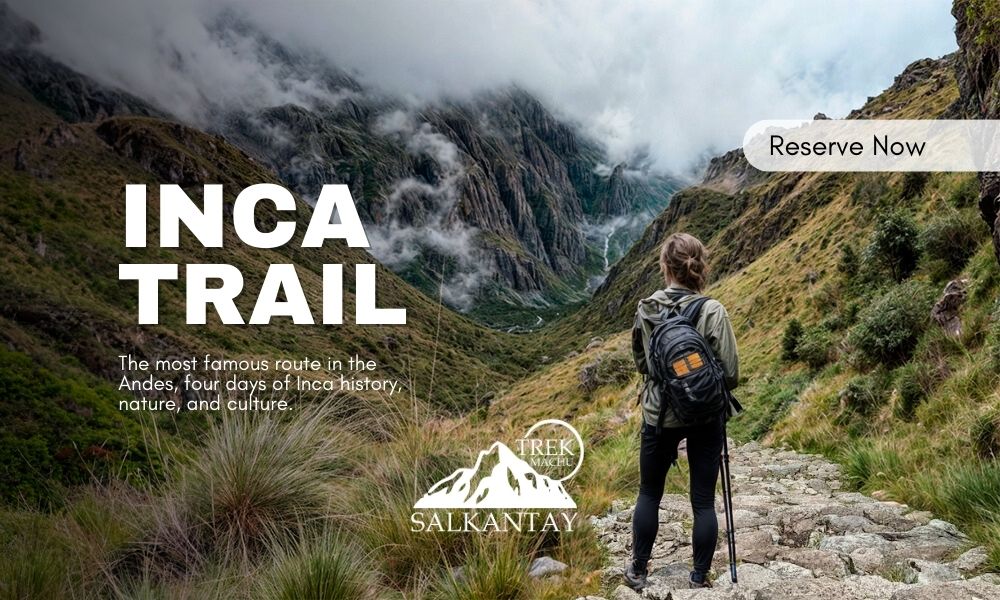
Peru offers unique experiences that show impressive landscapes, archaeological sites, and living traditions, attracting travelers who seek adventure and discovery in each region of the country. Get to know some of the most recommended trips to explore its diversity.
Inca Trail, Machu Picchu and more

 +51 84 226 547
 +51 912 891 560
 Av Tupac Amaru PP-10B, Santiago, Cusco, Peru
  info@salkantaytrekmachu.com
 www.salkantaytrekmachu.com


