
Salkantay is in the district of Mollepata, in the province of Anta, in the Cusco region. The name Salkantay or Salcantay means "Wild Mountain," a name that honors its imposing presence. In the Andean worldview, people know it as an APU, or Lord and Guardian God. This is because the Quechua culture considered mountains and glaciers to be sacred places inhabited by divinities.
The Salkantay trek is a challenging route through a rugged and unpredictable landscape, where the scenery changes drastically with every kilometer. The snowy peak is surrounded by deep valleys and ravines, which makes this route a fascinating experience, but it is also physically exhausting.
So, if you want to successfully complete this epic Peruvian hike and enjoy every landscape without any problems, it is essential to be well-informed. If you're looking for an exciting climb or the tranquility of the glaciers, planning is key. Below, we present the 10 essential tips you must follow so that your experience is unforgettable.
To make your experience on the classic Salkantay trek rewarding and safe, it is vital to pay attention to physical and logistical details. Here are the 10 most important tips for your trip:
The city of Cusco is located at 3,399 meters above sea level. This can be hard on anyone who isn't used to the lack of oxygen at that altitude. Altitude sickness, known locally as "soroche," is serious, especially for people who are not used to being at high elevations. The most common symptoms include headache, dizziness, constant fatigue, trouble breathing, loss of appetite, nausea, and sleep disorders.
To avoid these discomforts and ensure your performance on the Salkantay tour in Peru, we suggest spending 2–3 days in Cusco or the Sacred Valley before the trek. This waiting time is important because it lets your body adjust slowly to the air pressure in the sky. In addition, we suggest that in the days leading up to your climb, you engage in low-effort physical activities, maintain proper hydration, and avoid heavy meals. This will ensure that your lungs and heart are prepared for the ascent to the Salkantay pass, which is located 4,630 meters above sea level.
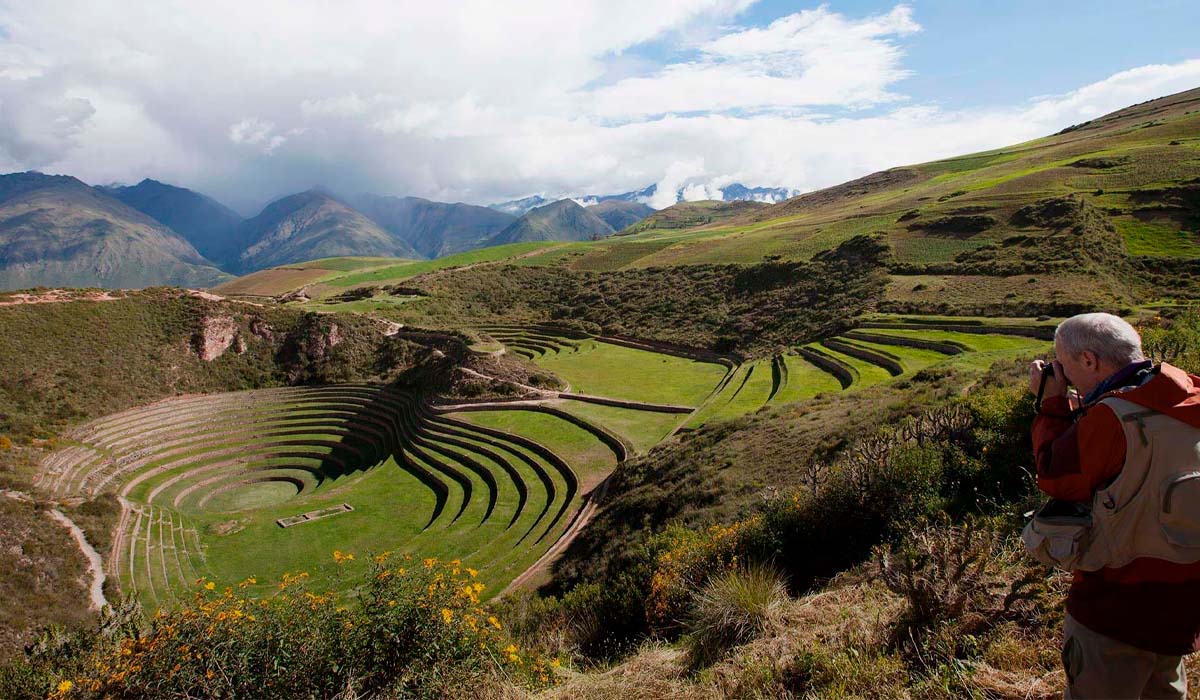
Depending on the route you choose for your Salkantay tour in Peru, the trek could last between four and five days. That means every gram you decide to carry counts significantly. It's important to carry only the essentials because as you go up, fatigue sets in, and every extra thing you carry feels heavier. So, it's important to pack efficiently to enjoy Peru's landscapes.
Make sure that the backpack you carry is suitable for a classic Salkantay trek. This means it should have a good support system for your lower back and adjustable straps that spread the weight evenly over your hips and not just your shoulders. We also recommend a backpack with back ventilation because you will go from very cold places to very hot places in a short time.
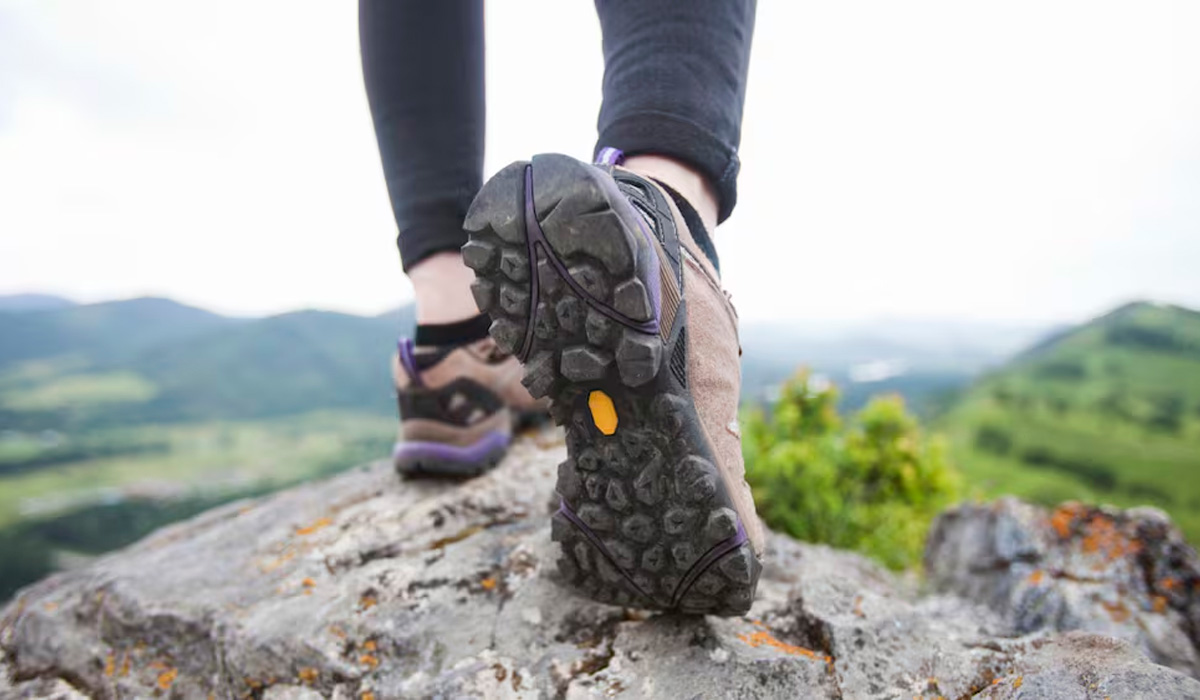
When you're planning a trip on the Salkantay trail, it's important to choose the right boots. It is recommended to wear hiking boots with good grip or specialized mountain boots, as the paths have sections of loose stone, mud, and steep descents that require optimal traction. Also, wearing shoes that support your ankles will help you stay balanced and prevent sprains during long hikes in Peru.
Don't make this common mistake: don't bring new shoes for your trip. The stiff material and the lack of adaptation to the shape of your foot can cause painful blisters and chafing from the first day. So, it's best to wear your boots for a few weeks before arriving in Cusco to get them used to the terrain. It's also a good idea to carry a pair of sandals or light shoes in your backpack. When you get to the camp at night, your feet will be glad to have a break, and the skin will be able to breathe and recover for the next day.
The hike takes place mainly through rural areas and mountain paths during the first three days. Then, it finally descends to an area known as "The Beach." So, if you're traveling alone, you'll need to plan your supplies carefully and carry light but nutritious food like instant soups, dried fruits, or energy bars to keep you going. These small food packs will also help you during the most challenging parts of the Salkantay tour in Peru.
But don't worry too much about the weight of the food, because as we said before, the route has worked with local communities in an exceptional way. During the Salkantay hike, you'll find small family shops where you can buy basic supplies or water. You will also have the unique opportunity to enjoy the fresh food prepared by locals at the campsites.
To make your Salkantay trek a smooth experience, there are certain items that must be in your daypack. When you move through different ecosystems, your body will be exposed to extreme conditions very quickly, so it's best to prevent them.
If you're in good physical shape and active, you should be able to finish the Salkantay trek without much difficulty. This route is difficult, but it's worth it if you're in good physical shape. However, it's important to remember that walking on uneven terrain at high altitudes is hard. So, if you're not in great shape, it's a good idea to do some easy hikes a few weeks before the trip to get your legs stronger and your lungs more air.
You don't need a lot of qualifications to enjoy the Salkantay tour in Peru, but you do need the stamina to walk for six to eight hours a day. Exercising your heart and legs will help your muscles recover faster after going down steep hills. Remember that getting in shape before a hike makes it easier and lets you appreciate the beauty of the surroundings.
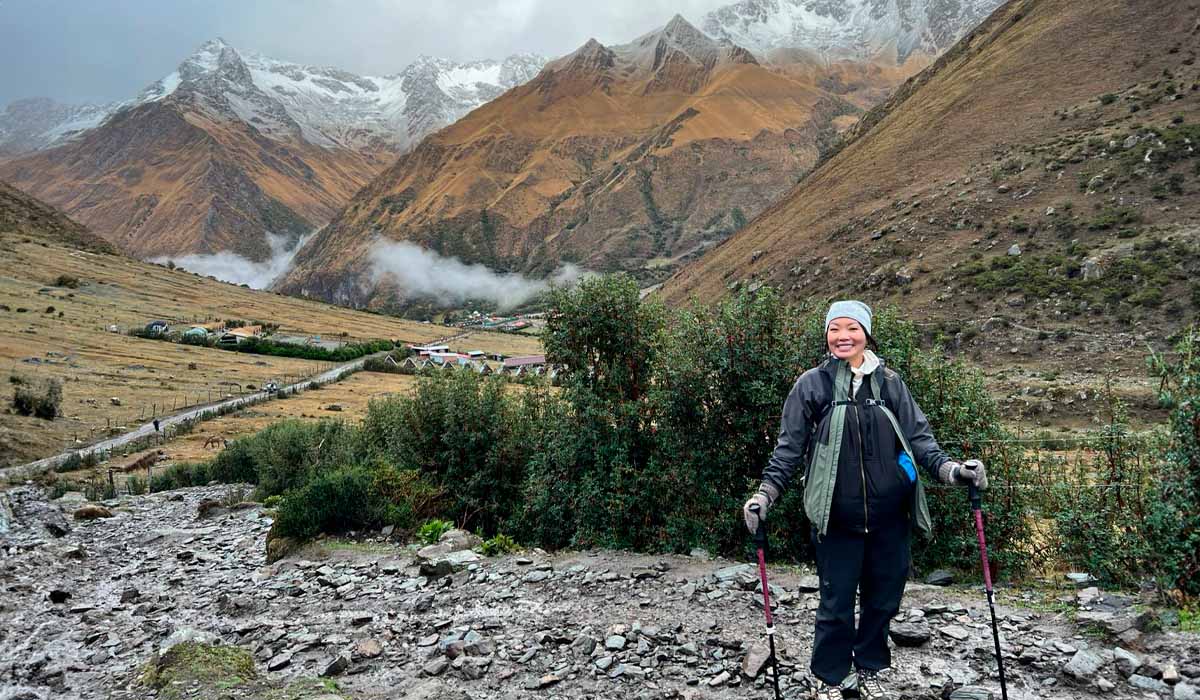
People like trekking poles for different reasons. Some people like to use them, and some people don't. But a walking stick can be a very useful tool when practicing this activity on different types of land. On a classic Salkantay trek, where you're always going up and down, this extra support is really helpful. It helps you stay balanced on loose stone paths and lets your leg muscles rest when you're going up.
Also, using poles can reduce the impact on your knees and ankles by up to 25%. This can make a big difference, especially after the second day of your trip. If you decide to include them in your gear, we recommend that they be telescopic so you can adjust their height according to the slope of the ground. These tools make the Peruvian hike safer and easier, even when you're tired. You can carry one tool or a pair of tools.
The classic Salkantay trek is not a race, but a life experience. Most tours are designed to give travelers enough time to move forward at their own pace without feeling rushed. So, don't feel like you have to keep up with the fastest hikers. The best way to avoid getting tired too soon and enjoy the Salkantay Trek in Peru is to listen to your body and go at your own pace.
Also, remember that it's much more enjoyable to stop and rest often to enjoy the views of the glaciers or just breathe the fresh mountain air. If you walk calmly, your lungs will get used to the altitude, and you'll be able to notice things you wouldn't have otherwise. On this Peruvian hike, the goal is not just to reach Machu Picchu, but to enjoy every step of the path that leads you there.
It is essential to drink plenty of water during the hike. When you do the classic Salkantay trek, your body loses fluids through sweat and rapid breathing due to the altitude and dry mountain air. Therefore, it's best to stay well-hydrated to avoid altitude sickness and muscle fatigue.
We also suggest that you carry your own water bottle or a "CamelBak" type of hydration system. Try to drink as much as you can in small, regular sips. Although there are streams along the Salkantay trail, it's hard to find drinking water along the way during long stretches of climbing. You'll need at least 2 liters of water to complete this hike. Make sure to bring enough water with you every day.
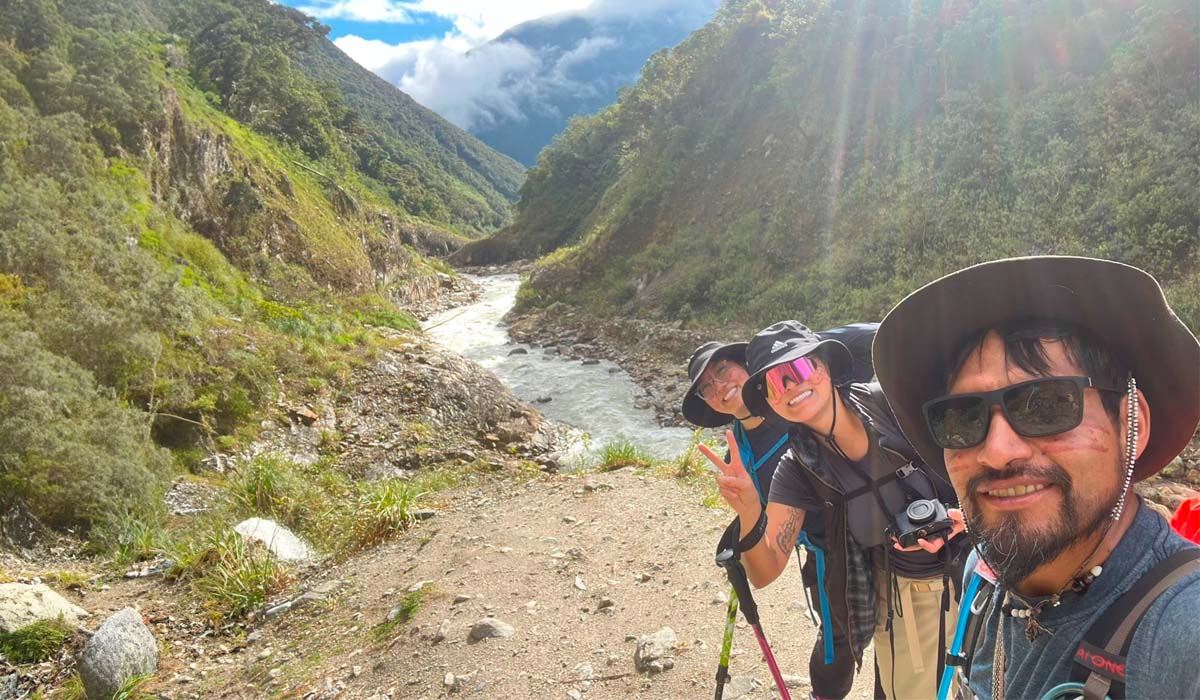
Beyond the physical challenges and logistics, the most important piece of advice is this: simply enjoy. You are in one of the most spectacular places on the planet, with walking paths that offer views of the valley and the mountains. So, don't forget to bring a camera or a good phone with enough battery. Take as many pictures as you can to remember this beautiful experience. Also, make sure to put the camera away and look at the amazing views of "Apu Salkantay" with your own eyes.
Enjoy the changing landscapes as you walk, the effort your body makes to reach the goal, and, above all, the company of your guides and trail companions. At the end of the Peruvian hike, you will have more than just photos. You will have the satisfaction of conquering the "Wild Mountain" and the joy of having experienced one of the most authentic things in the Andes.

 +51 84 226 547
 +51 912 891 560
 Av Tupac Amaru PP-10B, Santiago, Cusco, Peru
  info@salkantaytrekmachu.com
 www.salkantaytrekmachu.com


