
Only three hours by road from Lima (approximately 185 km to the southeast), in the province of Cañete, Lunahuaná is located. This destination has established itself as the main center for adventure tourism and weekend getaways for the residents of the capital, the place has it all: good weather, food and adventure sports, and thanks to its sunny climate during much of the year and the Cañete River passing through its valley.
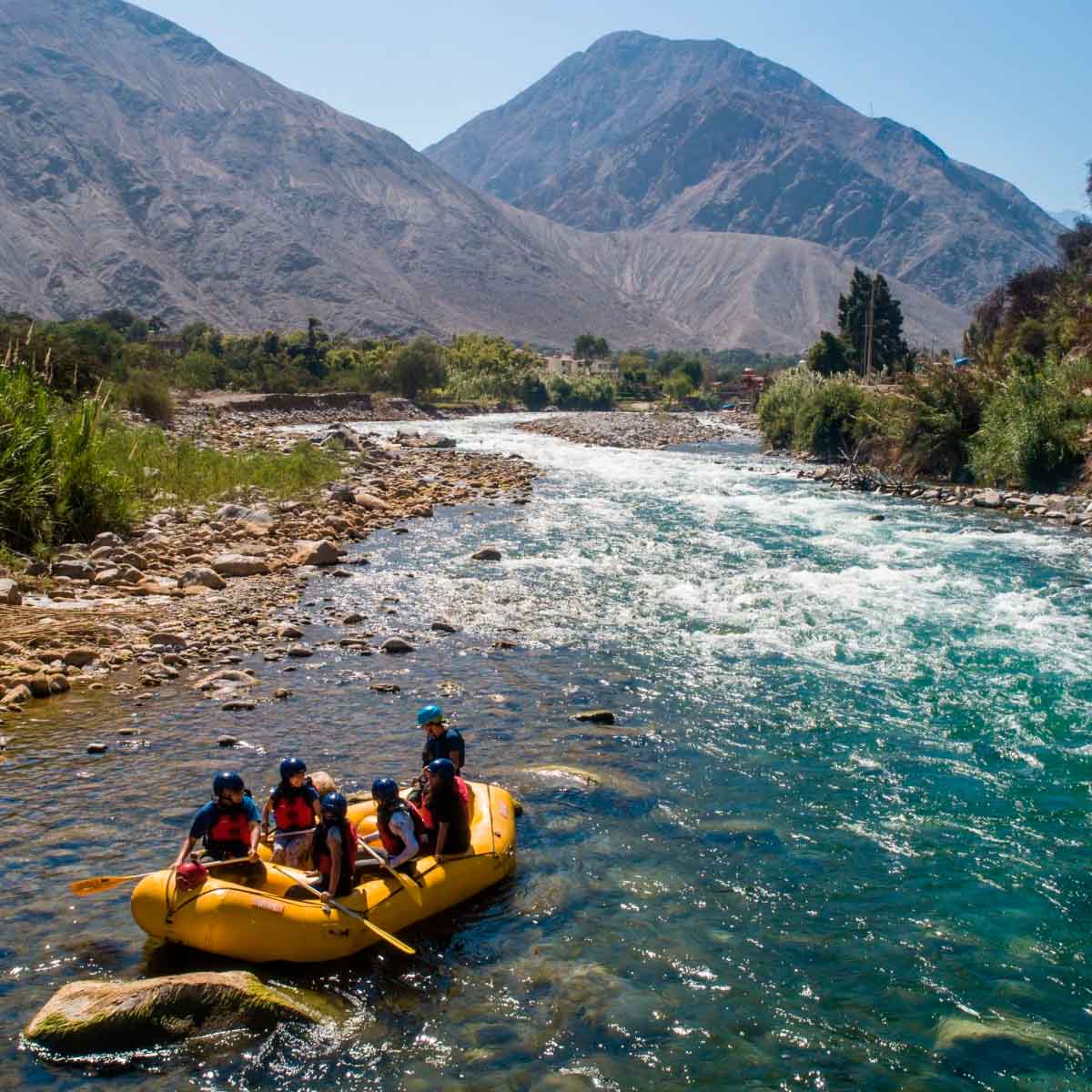
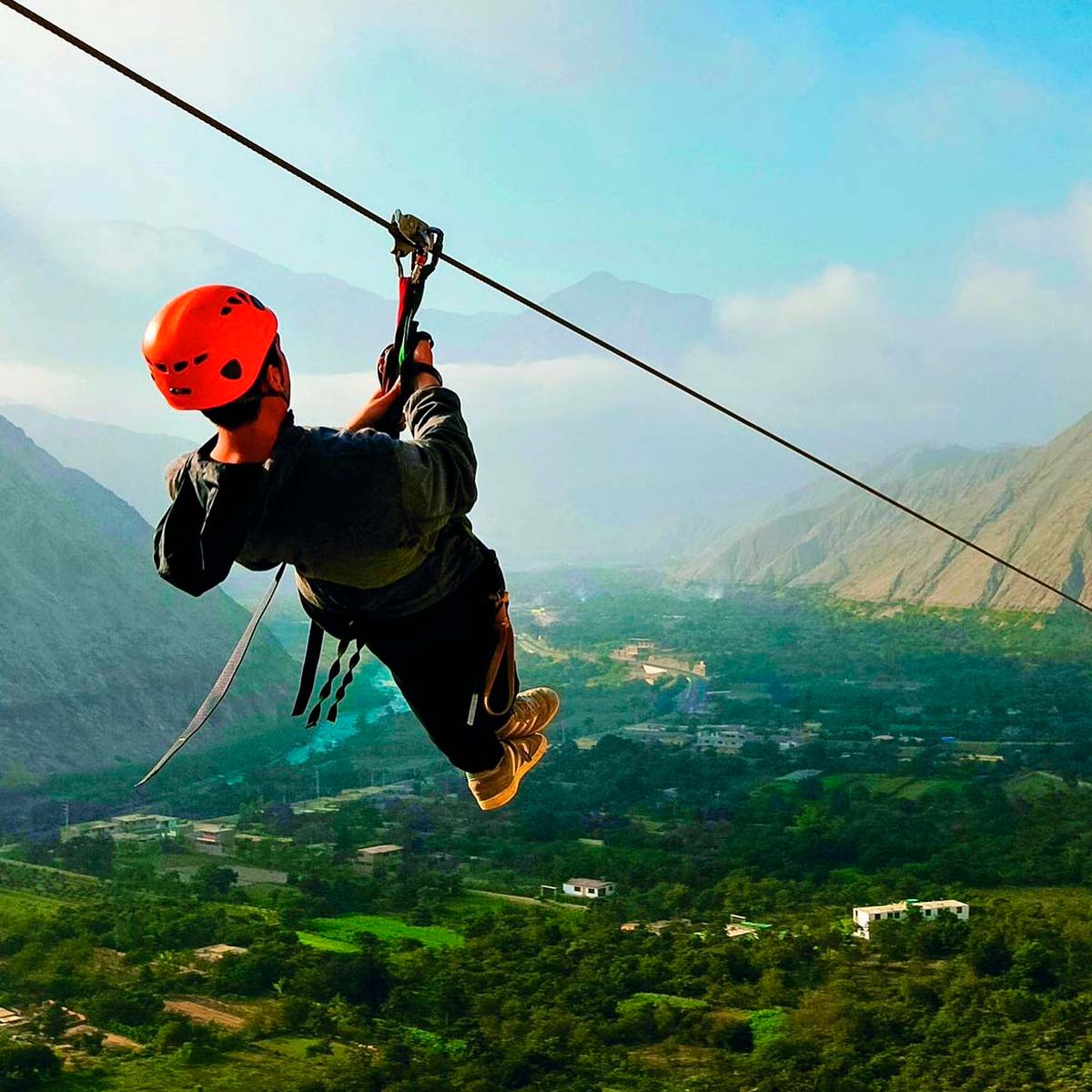
Lunahuaná's fame is based on two pillars: its offer of adventure sports and its wine tradition. It is the most popular destination near Lima for the practice of canoeing (rafting), especially during the summer months, when the river's flow is ideal. To this activity are added others like canopy (zipline), mountain biking, and ATV rides.
Besides adventure, the valley is a wine and pisco producing area, with numerous traditional wineries that offer tours and tastings. This guide will provide the essential information to plan a visit to Lunahuana: we will detail the best time to travel (according to the river's flow), how to get there from Lima, the available activities, and their approximate costs.
The district of Lunahuana has established itself as the main adventure destination near Lima. Its geography, defined by the Cañete River, is ideal for the practice of canoeing (rafting), which is the most requested activity and the main attraction for visitors who come from the capital. To this activity are added other options such as canopy (zipline), mountain biking, hiking, and ATV tours.
Parallel to adventure, Lunahuana is a recognized wine-producing area. The valley is home to numerous artisanal wineries where wines and piscos are produced. Visitors can take tours in the vineyards to learn about the production process and participate in tastings. During the harvest season (generally February and March), some wineries offer the traditional "grape stomping" as a tourist activity.
The local Peruvian gastronomy is another of the pillars of lunahuana peru. The cuisine is based on products from the valley, with the most famous ingredient being the river shrimp (available only outside the closed season). This is the base of dishes like the shrimp stew or the omelet. Other specialties include fried trout (raised in local fish farms) and sopa seca, a traditional dish from the Cañete region.
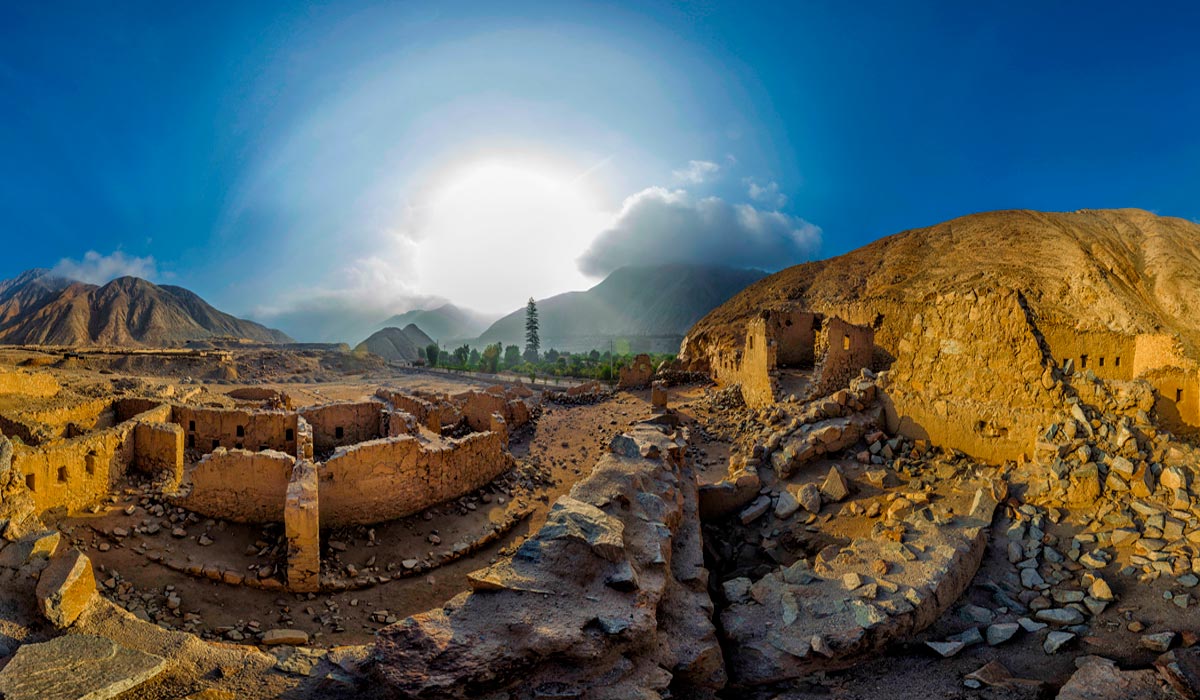
For those interested in history, the valley is home to the Incahuasi archaeological site. This was an important administrative and military citadel built by the Incas during their expansion to control the region. The complex features Inca architecture of imperial style, with plazas, enclosures, and kallankas (large halls), thus complementing the destination's adventure and wine offer.
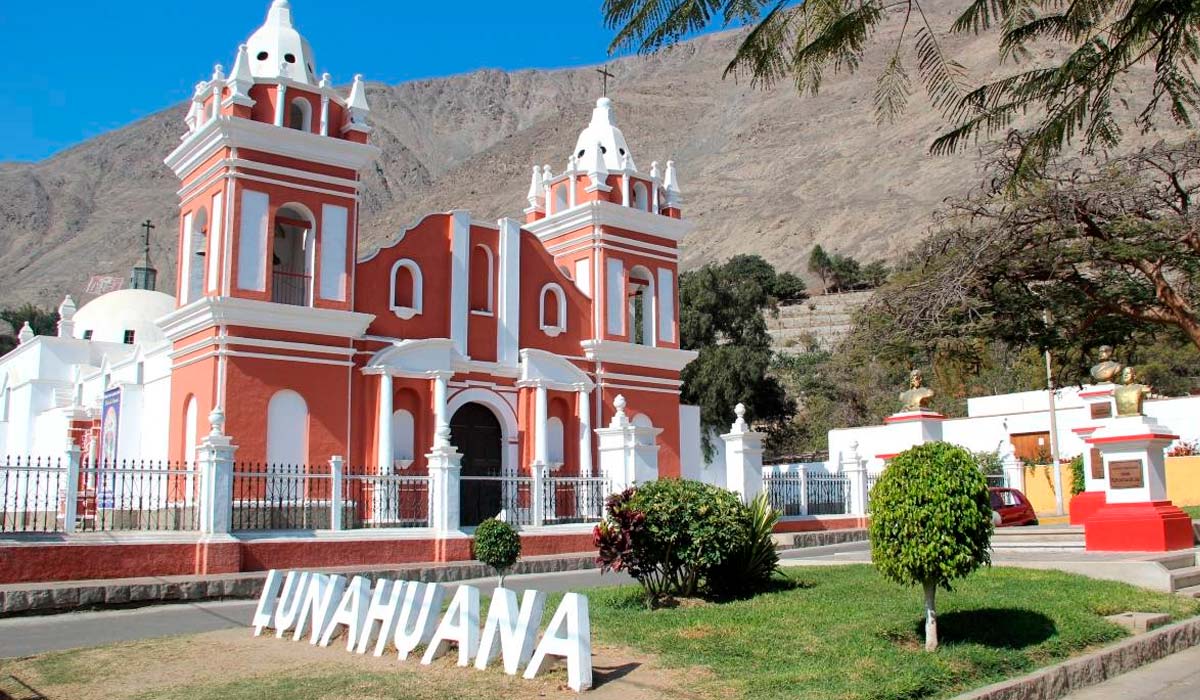
Lunahuaná is located 185 kilometers by road from the city of Lima. It belongs to the district of Lunahuaná, province of Cañete, department of Lima. It is located in a valley bathed by the waters of the Cañete River, at an altitude of 479 meters above sea level.
To get to Lunahuaná from the city of Lima you must follow these steps:
The archaeological findings in Incahuasi demonstrate the existence of an original culture in Lunahuaná, the 'Huarcos'. During the Inca expansionist period (15th century) the army of Emperor Túpac Yupanqui faced the Huarcos for control of the current territory of Lunahuaná. The confrontations lasted more than four years with the victory of the Inca who seized Incahuasi, turning it into an administrative center.
During the colonial era, the fertile lands and the pleasant climate of Lunahuaná led to the construction of important haciendas and colonial temples such as the Santiago Apóstol church. Already in the Republican era, the district of Lunahuaná was created on August 4, 1821 (the same year of the Independence of Peru). On December 25, 1985, Lunahuaná was declared the 'Tourist and Cultural Capital of the province of Cañete'.

Lunahuaná is recognized for its adventure sports in which you can practice:
 |  |  |
In Lunahuaná there are dozens of vineyards that produce good quality wines and piscos. Many of these vineyards have admission to the public to appreciate the process of making their products. Includes tasting and even participation in the famous 'grape stomping'. Some of the most recommended vineyards are: the 'Hijos del Sol' winery, the 'Los Reyes' winery, the 'Buena Vista' winery as well as the 'Guizado Portillo Hacienda & Resort' winery.
In addition to doing adventure sports in Lunahuaná, you can visit the following places:
Lunahuaná is a tourist attraction that offers a pleasant climate throughout the year. However, to carry out the canoeing activity (the one preferred by visitors) it is advisable to go from May to October. That is, in the dry season, when the rains are not frequent and the Cañete River offers fewer risks when doing this sport.
Lunahuaná has a dry temperate climate with sun throughout the year. The highest temperature can reach 32ºC. The lowest temperature of the year reaches 14ºC. From November to April the rains are more frequent (especially in January, February and March). The rest of the year, from May to October, the rains are not frequent.
Many are the routes that take you to Machu Picchu, but none is like the Inca Trail Tours, the most famous pedestrian path in the Americas. After flying from the capital of Perú, Lima, you will arrive in Cusco to walk for four days along a path through forests and dense fog, millenary stone steps and discovering the ruins of ancient fortifications and Inca cities, and all the time enjoying majestic views.

 +51 84 226 547
 +51 912 891 560
 Av Tupac Amaru PP-10B, Santiago, Cusco, Peru
  info@salkantaytrekmachu.com
 www.salkantaytrekmachu.com


