
Is the Inca Trail or the Lares Trek better? It is hard to compare them because both share similarities and, at the same time, some contrasting features. Both include several kilometers of hiking up and down mountains through the majestic Andes mountain range. Of course, one is more famous and the other offers the hiker a more intimate and authentic feeling.
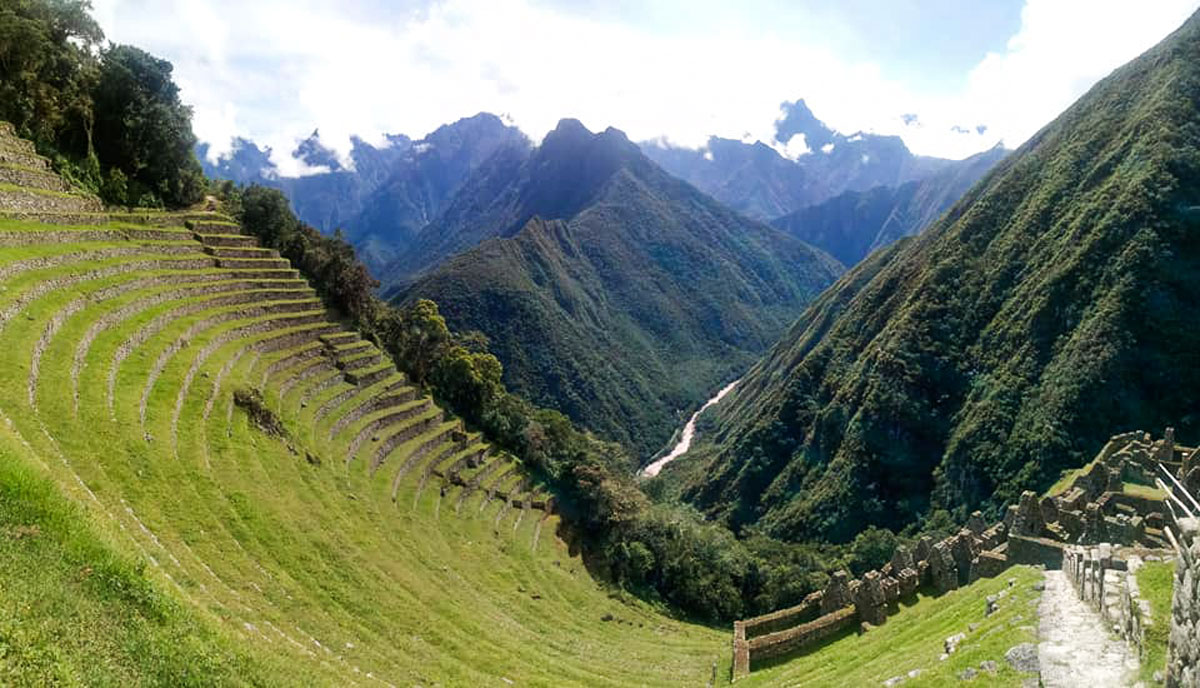
Doing the Inca Trail Trek is the most popular option, where travelers walk on stone paths that the Quechua people used centuries ago to connect their administrative centers; also, there are ancient constructions of the Inca civilization before reaching the citadel of Machu Picchu.
On the other hand, the Lares Trek is known as the "cultural route", as it allows direct contact with Quechua-speaking communities that keep their textile and farming traditions, far from the most crowded commercial routes. Therefore, if you are planning your vacations this 2026, understanding the logistical and landscape differences of each one is essential to choose the adventure that best fits your expectations.
This route is not simply a trekking path; it was part of the most ambitious road network in pre-Columbian America. The Qhapaq Ñan was a structure of more than 23,000 kilometers that integrated the Tahuantinsuyo, allowing the movement of messengers (chasquis), traders and the imperial army toward ceremonial sites.
Today, the Inca Trail is the absolute reference for treks Cusco. The start of this adventure is at the Piscacucho control post (the famous Km. 82), located about 3 hours by bus from the imperial city. Although much of the original road network disappeared over time, it is still possible to walk the 42 kilometers of the original path that leads directly to the citadel of Machu Picchu.
Unlike other hikes in Cusco, this route allows you to see:
The Lares Trek is one of the most fascinating and authentic alternatives for your Cusco Peru trips. It is a two to three-day journey that begins near the picturesque town of Lares, located approximately 64 kilometers north of the city of Cusco and 56 kilometers east of the Machu Picchu citadel.
This route unfolds through the majestic Urubamba mountain range, crossing the eastern section of the Sacred Valley. To start this adventure, a trip of about 5 hours by bus or van is made from Cusco, ascending through landscapes that show the true essence of the Peruvian highlands.
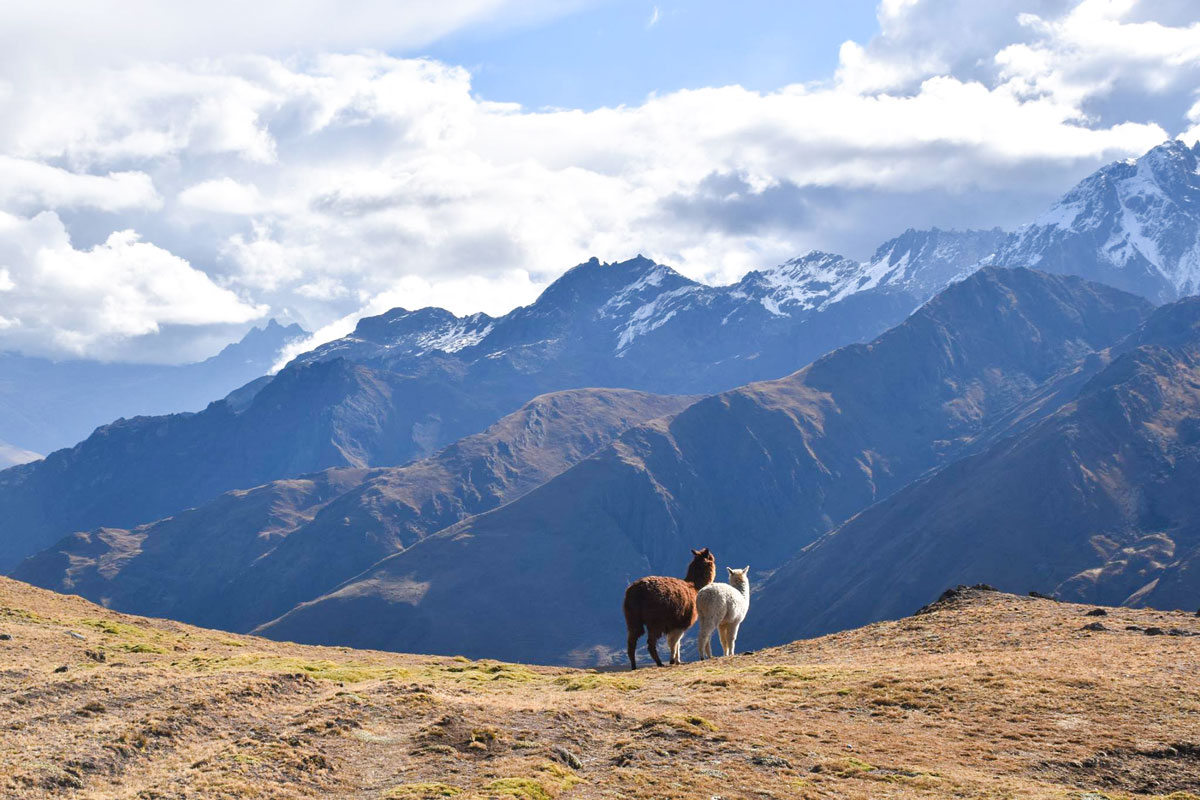
Unlike the Inca Trail, the focus of this route is human and landscape contact:
If you are still debating between both routes, here are the key points that make the difference. No matter which one you choose, we assure you that the experience in the Andes will be unforgettable:
| Feature | Classic Inca Trail | Lares Trek |
|---|---|---|
| Best Highlights | Historical Glory: Hike the original path of the Incas and explore exclusive archaeological sites. | Cultural Immersion: Connect with authentic textile communities and enjoy glacier views without crowds. |
| Total Distance | 44 km (27 miles) | 33 km (20.5 miles) |
| Highest Point | Dead Woman's Pass (4,215 m / 13,828 ft) | Ipsaycocha Pass (4,450 m / 14,599 ft) |
| Landscape | Cloud forest, high Andean peaks, and ancient stone tunnels. | Highland valleys, turquoise glacial lakes, and snow-capped peaks. |
| Archaeological Sites | Abundant: Llactapata, Runkurakay, Sayacmarca, Phuyupatamarca, and Wiñay Wayna. | Sparse: The focus is on natural beauty and living Andean culture. |
| Social Interaction | Mainly with other hikers and large support crews. | Direct and Authentic: Alpaca herders, weavers, and locals in their daily lives. |
| Machu Picchu Arrival | Direct: Enter on foot through the Sun Gate (Inti Punku) at sunrise. | By Train: Travel by train from Ollantaytambo and enter via bus the following day. |
| Availability | Very Limited: Sells out months in advance (500 daily permits). | Flexible: Generally available even with just a few weeks' notice. |
| Physical Difficulty | High: Thousands of stone steps that can be tough on the knees. | Moderate: Fewer steps, but higher altitude can affect breathing. |
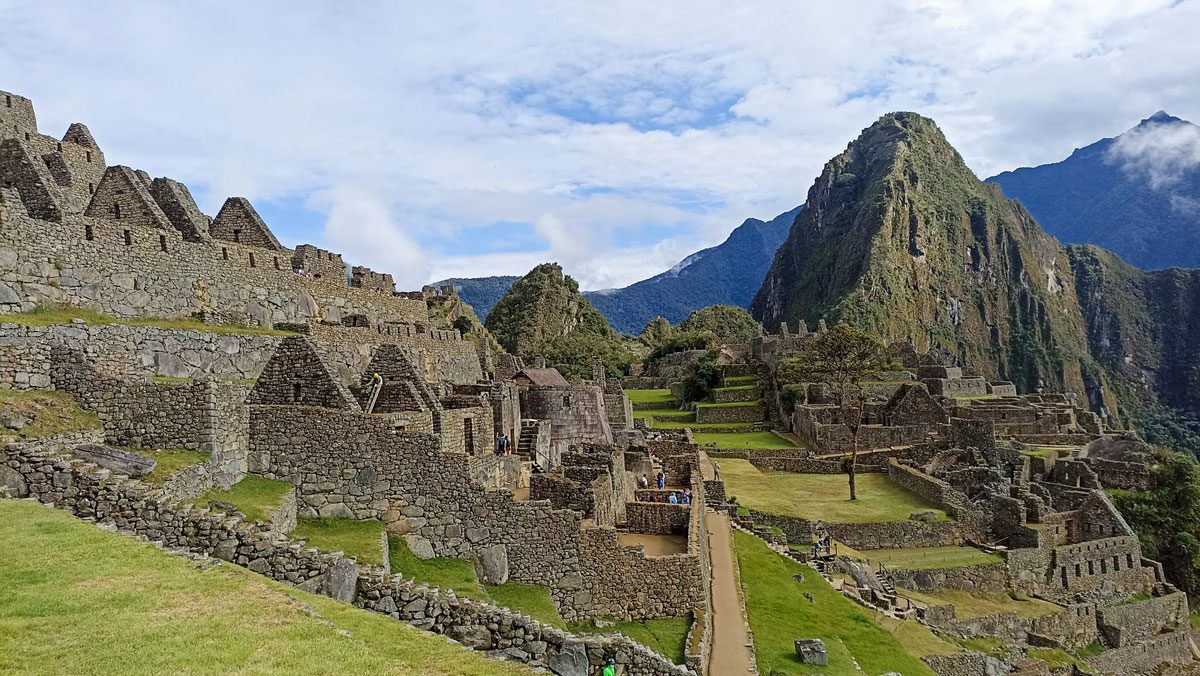
Peru offers unique experiences that show impressive landscapes, archaeological sites, and living traditions, attracting travelers who seek adventure and discovery in each region of the country. Get to know some of the most recommended trips to explore its diversity.
Inca Trail, Machu Picchu and more

 +51 84 226 547
 +51 912 891 560
 Av Tupac Amaru PP-10B, Santiago, Cusco, Peru
  info@salkantaytrekmachu.com
 www.salkantaytrekmachu.com


