
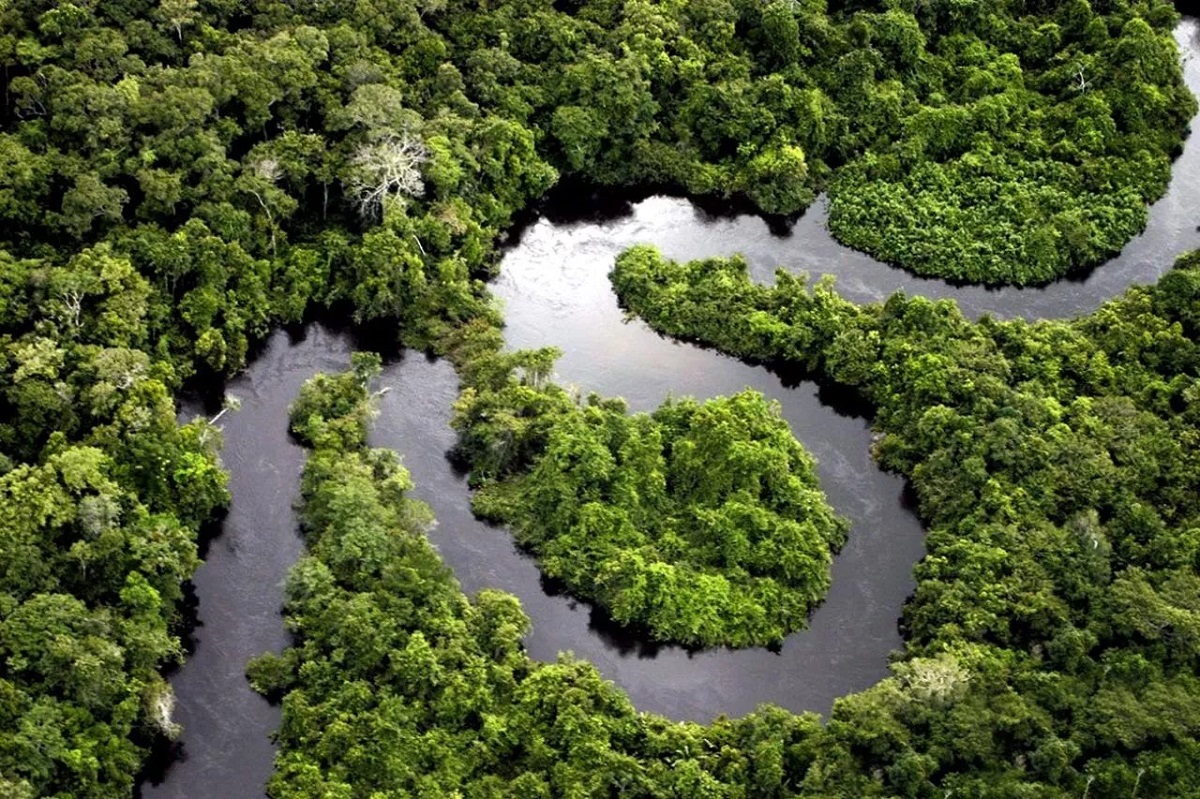
Cusco is, without a doubt, the archaeological center of Peru, attracting millions of visitors looking to know the cradle of the Inca civilization. However, for those interested in nature and wildlife, exploring deep Peru means looking toward the east: the impressive Amazon jungle. This jungle covers almost half of the South American continent and is recognized as the largest reservoir of biodiversity on the planet.
The Peruvian Amazon, especially in the southeast region, is accessible and offers unforgettable experiences. Puerto Maldonado, capital of the Madre de Dios department, is one of the main commercial centers and has been officially named the Capital of Biodiversity of Peru.
Visitors who plan to explore the Amazon, particularly in areas like the Tambopata National Reserve, usually arrive via Cusco or Lima. A Cusco Jungle Tour is an excellent way to travel from the Andean heights to the tropical humidity. If you wish to experience this natural and scenic richness, this guide will provide you with everything you need to know before starting your trip to the jungle.
About the Peruvian Rainforest
The Peruvian Amazon forms a vast and complex ecosystem that covers nearly 60% of the national territory. Geographically, it is divided into two main regions: the High Jungle (or Jungle Brow), which is the transition zone between the Andes and the plain, and the Low Jungle (or Amazon Plain), which is the largest and flattest region. This geographical diversity directly influences the climate, the flora, and the fauna found in each area.
The jungle is a biome characterized by its warm and humid climate and by its exceptional levels of biodiversity, being essential for climate regulation worldwide. Most of the Peruvian Amazon is protected through National Parks, National Reserves, and Protection Forests, which highlights the importance of its conservation. Cities like Puerto Maldonado (Madre de Dios) and Iquitos (Loreto) serve as gateways for ecotourism and research. Visiting the Peruvian jungle offers a direct opportunity to observe wildlife species that are not found anywhere else in the world, establishing the country as a leader in nature tourism.
MAIN ATTRACTIVES
National Reserve of Tambopata - Candamo.
Located at the confluence of the "La Torre" and Tambopata rivers, with an extension of 5,500 hectares of virgin forest. It stands out for its richness and variety of birds (approximately 600 species), butterflies (900 species) and dragonflies (115 species). If you are thinking about what can I do in Tambopata?, we have the answer , let´s see this 5 natural beauty places located in Tambopata :
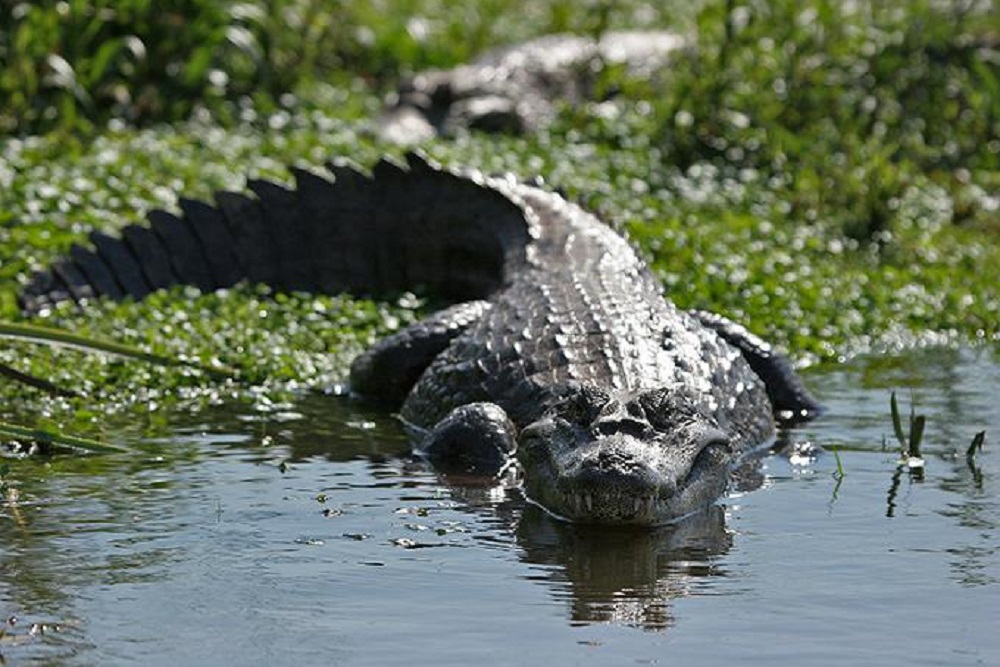
- Sandoval Lagoon.- monkeys, caimans, giant river otters you will have a nice memories of a trip to the Peruvian jungle.
- Huitoto Lagoon.- This place is wonderful, a beautiful lake of dark waters where the sunrises and sunsets are fantastic, surrounded by exuberant nature, full of trees, where the birds fly without fear, a place where the river wolves live and play relating to everything that surrounds them.
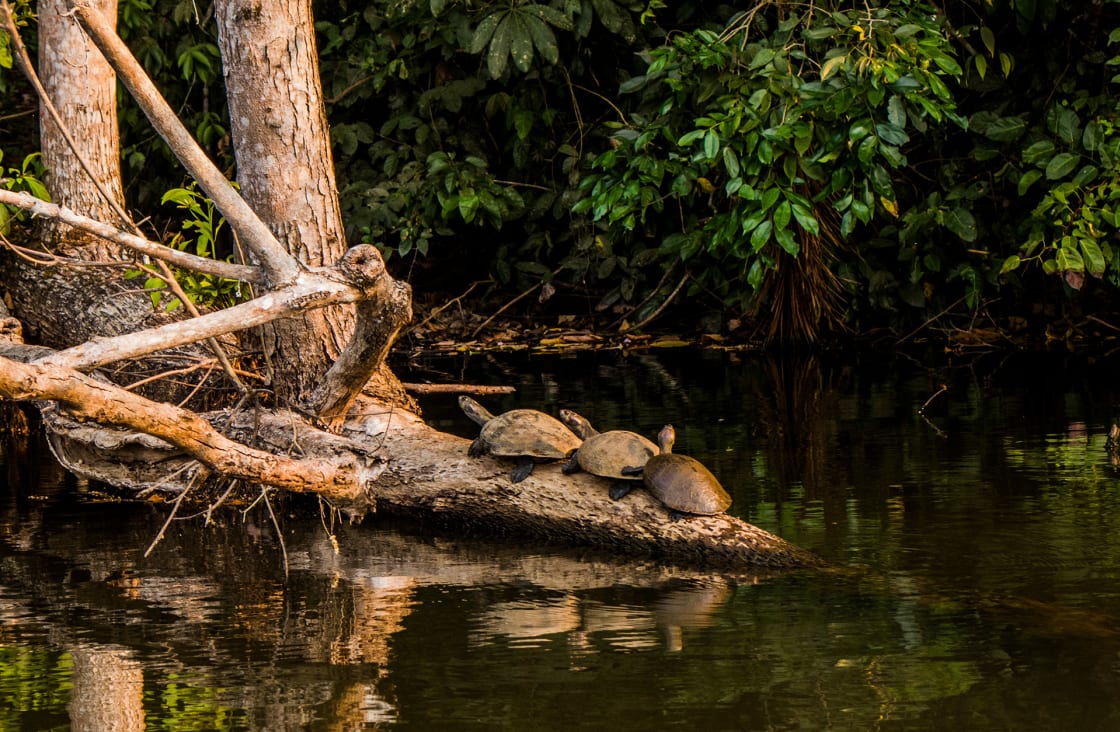
- Apu Victor Lagoon.- Taking a boat ride through its waters you can see turtles, birds and also some anaconda.
- Cocha Perdida.- a small ecosystem where species such as birds of infinite colors coexist,with Andean lion and otters. ·
- Butterfly Tambopata.- is a spectacular place where you can see hundreds of Amazonian butterflies. It also has a nice cafe, very cozy, with craft beers, juices, soft drinks and delicious sandwiches and snacks. In addition, the cafeteria has Wi- Fi connection.
National Sanctuary of the Pampas del Heath.
With an extension of 109 hectares. It was created in 1983. Here is the quoted horsehair wolf. It is a natural reserve that has dense forests of palm trees, with meadows of grasses. During the rainy months from December to April, the area is flooded and the pampas are transformed into swamps. Among the animals that dwell in the area stand out: the swamp deer, the maned wolf, the anteater, wild cuys, the jaguar. In addition to a significant number of bird species, such as: white woodpecker, toucan toco, parrots and macaws.
Reserve of the Manu.
Recognized as such by UNESCO in March 1973. It has an area of 1,881,200 hectares. It consists of three areas:
- The Manu National Park (1'532,806 hectares), intangible zone.
- The Manu Reserved Zone (257,000 hectares) to carry out tourism.
- Bajo Manu (91,394 hectares), a cultural zone inhabited by human groups.
There are beautiful lakes such as Valencia, Manu, Sandoval, La Pastora, Tambopata, Madre de Dios, Cocococha,and Tres Chimbadas; There are also the rivers Manu, Tambopata, Madre de Dios, La Torre, Manuripe, Las Piedras and Tahuamanu. The reserve is an ecosystem that has had an unalterable evolution for thousands of years, presenting one of the largest varieties of flora and fauna in the world, estimating in more than a thousand the total bird species of birds in the park and about 200 mammals. The plants vary between 2 thousand and 3 thousand species, considering that there is a 10% not known by science. To enter the reserve it is necessary to request an authorization to the National Park Direction and to visit it it is required to have at least one week.
Lake Valencia
Located 60 kilometers and four hours by motor boat from Puerto Maldonado. On the road, on the banks of the Madre de Dios River, it is possible to observe gold seekers, the native settlement of the Huarayos and a very varied flora and fauna. In the lake you can fish corvinas, dorados and maidens, among others. The main native communities are Amaralari, Arasaeri, Kisambaeri, Pukirieri, Sapiteri, Toyoeri, Wachipari, Arawak, Machiguenga and Piro-Mashko.
How to get to Puerto Maldonado?
- By plane from Cusco or Lima: The most popular and convenient option is to take a flight to Puerto Maldonado from Cusco (near Machu Picchu) or the capital, Lima. The duration of direct flights from Cusco is less than an hour and from Lima, a little more than an hour and a half. From the airport, you can take a mototaxi for a couple of dollars (a three-wheeled motorcycle with a roof) to the city center, the Plaza de Armas, or you can have the transfer included in your accommodation.
- By bus from Cusco: A popular option for travelers on a tight budget is to go to Puerto Maldonado from Cusco by bus. It is very cheap and the trip goes through beautiful landscapes: the Andean highlands, the cloud forests and the jungle. The trip takes approximately 12 hours (before the completion of the Interoceanic Highway works, it took about 30 hours) and costs about 20 dollars each way. The Puerto Maldonado bus station is about 10 minutes from the center, the Plaza de Armas, by mototaxi.
- By bicycle: If you are a sports lover, we recommend a mountain bike tour from Cusco, which you can book with us. The tours last three days or more and go through Andean landscapes, picturesque villages, cloud forests, and finally, the jungle. You will need to be in good physical shape and have gotten used to altitudes of up to 5000 meters before starting. Some bicycle tours, like those of the Wasai Tambopata lodge, include rafting.
WEATHER
In Puerto Maldonado, the summers are short, very hot, wet and mostly cloudy; The winters are short, hot and partly cloudy and oppressive throughout the year. During the course of the year, the temperature generally varies from 18 ° C to 32 ° C and rarely drops below 13 ° C or rises above 36 ° C.
- Clouds: In Puerto Maldonado, the average percentage of the sky covered with clouds varies extremely during the year. The clearest part of the year in Puerto Maldonado begins approximately on May 6; It lasts 4.8 months and ends approximately on September 30. On August 4, the clearest day of the year, the sky is clear, mostly clear or partially cloudy 70% of the time and cloudy or mostly cloudy 30% of the time.
- Precipitation: A wet day is a day with at least 1 millimeter of liquid or precipitation equivalent to liquid. The probability of wet days in Puerto Maldonado varies considerably during the year.
- Rain: It rains during the year in Puerto Maldonado. Most of the rain falls during the 31 days centered around January 24, with an average total accumulation of 294 millimeters.
The Best Time of Year to Visit
- To describe how pleasant the climate is in Puerto Maldonado during the year, we calculated two travel scores.The tourism score favors the days cleared and without rain with temperatures perceived between 18 ° C and 27 ° C. Based on this score, the best time of the year to visit Puerto Maldonado for general tourist activities outdoors is from the end of May to the beginning of September, with a maximum score in the third week of July.
SOUVENIRS
There are woven products made with "tamshi" or "tamishi", aerial root of great resistance, usually used in the moorings of the structure of the huts, hats, bags,ornaments are also made with this fiber. Also you will see an interesting range of jewelery articles maden with seeds of the zone. Another famous material of some souvenirs is the wood, carved or turned like furniture, kitchen utensils and vases are worked. In addition, chestnut coconut products are produced, such as chests, candles and ashtrays. Recently canvases are made with figures of people and animals, as well as landscapes. It is possible to find typical native crafts, such as arrows, bows and spears decorated with colorful feathers.
TYPICAL DISHES AND DRINKS
Despite being a department with few inhabitants, Madre de Dios has its own food, prepared based on the food provided by the place. The best known are the patarashca, a fish wrapped in banana leaf cooked on the grill; the motelo soup, prepared with turtle meat and served in its own shell; muchangue, made with turtle eggs, accompanied by parboiled green plantain; timbuche or chilcano, broth based on fish often like palometa, sapamana, mojarreta or gusasaco and tacacho, grilled plantain served with chicharrón pieces mixed with chopped onion. About drinks, are many typical of the region but the most representative is the famous masato, a fermentation based on yucca and the chapo, another drink is a mixture of banana with milk.
Best Tours in Peru
Many are the routes that take you to Machu Picchu, but none is like the Inca Trail Tours, the most famous pedestrian path in the Americas. After flying from the capital of Perú, Lima, you will arrive in Cusco to walk for four days along a path through forests and dense fog, millenary stone steps and discovering the ruins of ancient fortifications and Inca cities, and all the time enjoying majestic views.

 +51 84 226 547
 +51 912 891 560
 Av Tupac Amaru PP-10B, Santiago, Cusco, Peru
  info@salkantaytrekmachu.com
 www.salkantaytrekmachu.com


